
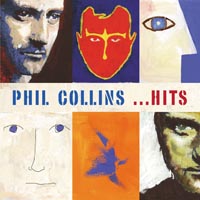
Both Sides by Phil Collins: expectations vs reality
Both Sides- Album Overview
"Both Sides," released on November 6, 1993, marks Phil Collins' fourth solo studio album. The album was produced by Collins himself and released under the Atlantic Records label. Following the commercial success of his previous albums, "Both Sides" was highly anticipated, promising a return to the introspective songwriting that defined Collins' earlier work. The recording took place primarily at The Farm, Collins' own studio in England, and featured contributions from various musicians, including longtime collaborator and drummer, Chester Thompson.
The album's sound is characterized by a blend of pop and rock, featuring Collins' signature emotive vocal style and heartfelt lyrics. Lyrically, "Both Sides" reflects themes of love, loss, and introspection, mirroring Collins’ personal life experiences at the time, including his divorce. The lead single, "Both Sides of the Story," achieved moderate success, reaching the top of the charts in several countries, although it did not mirror the chart-topping success of his earlier hits. Other notable tracks include "Everyday" and "I Don't Care Anymore," which showcase Collins' ability to evoke deep emotion through his storytelling.
Culturally, the album represents a pivotal moment for Collins, reflecting a transition in his career towards a more mature and contemplative sound. While it received mixed reviews upon release, over the years, it has garnered appreciation for its authenticity and depth, providing a stark contrast to the more polished and commercial sound of his earlier work.
Review
Musically, "Both Sides" is a departure from the slick production that characterized Collins' previous hits. Instead, it embraces a more stripped-down, raw sound that allows his vocals and lyrics to take center stage. The production choices reflect a more personal artistic vision, with a focus on instrumentation that complements the emotional weight of the songs. Collins’ lyrics, often deeply personal, resonate with listeners, offering insights into his psyche during a tumultuous period in his life. However, some critics argue that the album lacks the catchy hooks and memorable choruses that made his earlier work so enduring.
While Collins successfully conveys vulnerability and introspection, the pacing of the album can feel uneven, with some tracks dragging on longer than necessary. Nonetheless, the overarching themes of self-reflection and emotional honesty make "Both Sides" a compelling listen for fans who appreciate the depth of Collins' songwriting.
Highlights
- Authentic and introspective songwriting that reveals personal struggles.
- Strong vocal performances that convey deep emotion and vulnerability.
- A departure from commercial pop, showcasing a more mature sound.
Weak points
- Some tracks may feel sluggish or overly long, affecting the album's pacing.
- Lacks the catchy hooks that defined Collins' earlier hits.
- Mixed critical reception suggests it did not meet mainstream expectations.
Overall evaluation
"Both Sides" stands as a testament to Phil Collins' ability to evolve as an artist, even if it diverged from the expectations set by his previous commercial successes. Its introspective nature offers a rich listening experience for those willing to engage with its deeper themes.
Personal rating: 7/10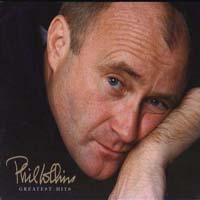 2010Greatest Hits
 2010Going Back
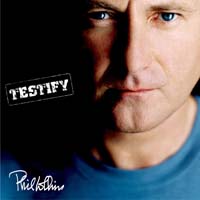 2001Testify
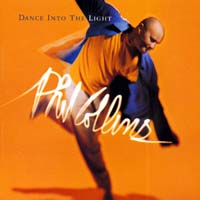 1996Dance Into the Light
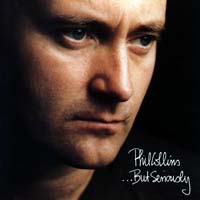 1989...But Seriously
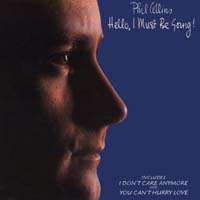 1982Hello, I Must Be Going!
 1981Face Value