
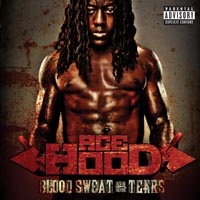
Is Blood, Sweat & Tears Blood, Sweat & Tears's best work yet?
Blood, Sweat & Tears- Album Overview
The self-titled album "Blood, Sweat & Tears," released in 1968, stands as a pivotal moment in the evolution of rock music, blending elements of jazz, rock, and pop into a distinctive sound. The album was produced by John Simon and released under Columbia Records. It includes a mix of original compositions and covers, showcasing the band's versatility and musicianship. Notable tracks include the chart-topping single "Spinning Wheel," which reached No. 1 on the Billboard Hot 100, and "You've Made Me So Very Happy," which also enjoyed significant commercial success.
"Blood, Sweat & Tears" was recorded primarily at the Record Plant in New York City, where the band utilized innovative techniques to capture their sound. The album features contributions from several talented musicians, including lead vocalist David Clayton-Thomas, whose powerful voice became synonymous with the band's identity. The incorporation of brass instruments and orchestral arrangements marked a departure from traditional rock, placing the band at the forefront of the genre's evolution during the late 1960s.
Culturally, the album reflects the tumultuous social climate of the time, addressing themes of love, loss, and the human experience. It was well-received by critics and audiences alike, earning a Grammy Award for Album of the Year in 1970. The fusion of jazz and rock, along with the band's dynamic live performances, solidified Blood, Sweat & Tears's place in music history, influencing countless artists and paving the way for future musical experimentation.
Review
The sound of "Blood, Sweat & Tears" is a rich tapestry of musical styles that seamlessly blend rock, jazz, and pop. The album opens with "Variations on a Theme by Eric Satie," an ambitious instrumental piece that sets the tone for the eclectic listening experience that follows. The arrangement of horns and rhythmic grooves creates an infectious energy that captures the listener's attention from the outset. Lyrically, the album navigates complex emotions with honesty and depth, particularly in tracks like "You've Made Me So Very Happy," where feelings of love and longing are poignantly expressed.
The artistic vision of the band, particularly under Clayton-Thomas's leadership, is evident throughout the album. The balance between catchy hooks and sophisticated arrangements showcases their musicianship and ambition. While some critics may argue that the stylistic shifts can feel disjointed, the overall cohesion of the album demonstrates the band's ability to experiment while maintaining accessibility. This blend of genres not only highlights their versatility but also reflects the broader cultural shifts of the late '60s, making it a significant piece of musical history.
Highlights
- Innovative fusion of jazz, rock, and pop elements.
- Strong vocals from David Clayton-Thomas that resonate with emotion.
- Memorable hits that left a lasting impact on the music scene.
Weak points
- Some tracks may feel overly ambitious or disjointed.
- Occasional reliance on orchestral arrangements that may not appeal to all rock fans.
- Lengthy instrumental sections could alienate casual listeners.
Overall evaluation
"Blood, Sweat & Tears" represents a high point in the band's career, showcasing their innovative spirit and musical prowess. While it may not be without its flaws, the album's cultural significance and memorable tracks solidify its status as one of their best works. For fans of genre-defying music, this album remains a must-listen.
Personal rating: 8/10