
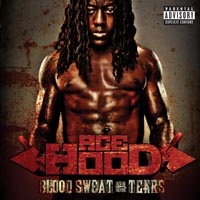
Listening to B, S & T; 4 by Blood, Sweat & Tears
B, S & T; 4- Album Overview
"B, S & T; 4" is the fourth studio album by the American jazz-rock band Blood, Sweat & Tears, released in 1971. This album marked a significant moment in the band's evolution, blending elements of rock, jazz, and pop while featuring their signature horn arrangements and vocal harmonies. Produced by the band alongside the esteemed David Clayton-Thomas, the album was released under the Columbia Records label.
The recording sessions took place in various studios, including the famous A&R Recording in New York City. The album includes notable tracks such as "Hi-De-Ho," which became a hit single, reaching the top of the charts and highlighting the band’s innovative sound. Other singles from the album included the soulful "Lisa" and "No Show," which further showcased their ability to blend musical genres.
Musically, "B, S & T; 4" represented a continued exploration of the jazz-rock fusion that Blood, Sweat & Tears had become known for. The album features contributions from various musicians, including saxophonist Fred Lipsius and trumpeter Jerry Hyman, both of whom added depth to the band's distinct sound. The album's cover art, designed by the renowned artist and illustrator, also contributed to its cultural significance, reflecting the artistic vision of the early 1970s.
Upon its release, "B, S & T; 4" garnered critical acclaim and commercial success, solidifying the band’s position in the music world and contributing to the evolution of jazz-rock as a genre. The album is often cited for its ambitious arrangements and lyrical content, which resonated with the social movements of the time, making it a significant cultural artifact of the era.
Review
The sound of "B, S & T; 4" is a masterclass in genre blending, seamlessly merging rock with jazz elements. The instrumentation is rich and layered, with the brass section providing a vibrant backdrop to Clayton-Thomas's powerful vocals. Lyrically, the album tackles themes of love and social consciousness, reflecting the turbulent spirit of the early 1970s. Tracks like "Hi-De-Ho" are infectious and energetic, while ballads like "Lisa" showcase the band’s softer, more introspective side.
Artistically, the album represents a high point for Blood, Sweat & Tears as they pushed the boundaries of what popular music could be. Their ability to incorporate complex musical structures while still appealing to a broad audience is a testament to their skill and vision. However, some critics argue that the album occasionally veers into overly polished territory, which can detract from the raw energy that characterized their earlier work.
Highlights
- Innovative blend of jazz and rock elements.
- Strong vocal performances from David Clayton-Thomas.
- Memorable hit singles that captured the spirit of the time.
Weak points
- Some tracks may feel overly polished compared to earlier work.
- Occasional lack of cohesiveness in the album's flow.
- May not resonate as strongly with listeners unfamiliar with jazz influences.
Overall evaluation
"B, S & T; 4" stands as a pivotal work in Blood, Sweat & Tears' discography, showcasing their musical prowess and cultural relevance. While it may have its flaws, the album remains a significant contribution to the jazz-rock genre, highlighting the band's ability to innovate and inspire.
Personal rating: 8/10