
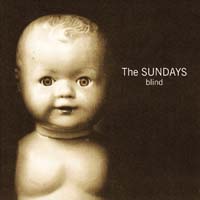
Breaking down the themes in Blind by The Sundays
Blind- Album Overview
"Blind," released in 1997, is the third studio album by the British alternative rock band The Sundays. The album came out under the label DGC Records and marked a significant point in the band's career, following their acclaimed previous albums, "Reading, Writing and Arithmetic" (1990) and "Static & Silence" (1997). The Sundays, known for their ethereal sound and introspective lyrics, continued to explore themes of love, loss, and identity in "Blind." The album was produced by the band themselves along with producer and engineer, Ian Caple, who had previously worked with various artists in the alternative rock and indie pop scenes. "Blind" features a total of 11 tracks, with standout singles like "Summertime" and "I Feel." The album showcases a blend of jangly guitar riffs, airy melodies, and Harriet Wheeler's hauntingly beautiful vocals, which remain a signature aspect of The Sundays' sound. The lyrical content of "Blind" dives deep into the complexities of relationships and the emotional landscapes that accompany them, resonating with listeners both personally and culturally. The album did not achieve the same commercial success as its predecessors but is often praised for its artistic integrity and remains a beloved piece within the band's discography. It reflects a post-Britpop sound that was emerging in the late '90s, characterized by its introspective nature and melodic sensibility.
Review
In "Blind," The Sundays successfully marry their signature jangly guitar sound with deeply personal lyrics that resonate with a sense of both melancholy and hope. The production is lush yet minimalistic, allowing Harriet Wheeler's ethereal voice to take center stage. Songs like "Summertime" exemplify the band's ability to create an atmosphere that feels both nostalgic and fresh, as they craft narratives that explore the intricacies of human emotions. The instrumentation is delicate, yet it carries an emotional weight that reflects the complexities of love and longing. The lyrical themes in "Blind" are introspective, delving into the nuances of relationships, the passing of time, and the search for clarity in one’s life. Wheeler's poetic lyricism often leaves much open to interpretation, inviting listeners to connect their own experiences to the music. The Sundays’ ability to blend upbeat melodies with somber themes is what sets them apart in the alternative rock landscape, creating a captivating contrast that engages the audience on multiple levels. Overall, "Blind" stands as a testament to The Sundays' artistic vision and their contribution to the music scene of the 1990s.
Highlights
- Hauntingly beautiful vocals by Harriet Wheeler.
- Introspective and relatable lyrical themes.
- Melodic instrumentation that complements the emotional depth of the songs.
Weak points
- Some listeners may find the production style too minimalistic.
- Not as commercially successful as previous albums, which may limit its recognition.
- Certain tracks may feel less impactful compared to the standout singles.
Overall evaluation
"Blind" is a beautifully crafted album that encapsulates The Sundays' ethereal sound and introspective lyricism. While it may not have reached the heights of its predecessors, it remains a significant entry in the band's discography, showcasing their ability to evoke deep emotions through music.
Personal rating: 8/10