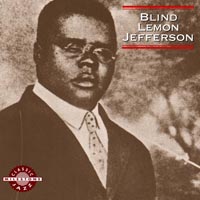
ALBUM NOTESExploring the sound of Blind Lemon Jefferson: Blind Lemon Jefferson
Blind Lemon Jefferson- Album Overview
Blind Lemon Jefferson's self-titled album, released in 1926, is a cornerstone of the early blues genre, showcasing the raw emotional power and innovative guitar techniques that defined his music. Jefferson, born in 1893 in Coutchman, Texas, is often regarded as one of the most significant figures in the development of the Delta blues sound. His recordings were released under the Paramount Records label, which was known for capturing the essence of African American music during the early 20th century.
The album features a collection of tracks that blend traditional folk elements with the emerging blues style. Jefferson's unique slide guitar playing and deeply expressive voice are evident throughout the record, making it a seminal work in the genre. Notable tracks include "Matchbox Blues" and "Black Snake Moan," both of which have influenced countless musicians across generations. Although Jefferson's career was tragically cut short when he passed away in 1929, his recordings have had a lasting impact on the music world, inspiring artists from Muddy Waters to Eric Clapton.
The production of the album reflects the limitations and innovations of its time, with session musicians often contributing to the raw sound. The cultural significance of Jefferson's work lies in his ability to transcend regional styles and connect with listeners on a universal level, addressing themes of love, loss, and hardship. His music serves as a historical document that captures the struggles and aspirations of African Americans in the early 20th century, making it an important part of American music history.
Review
Blind Lemon Jefferson’s album is a masterclass in the blues genre, characterized by a raw and emotive sound that resonates with listeners even today. The simplicity of the arrangements accentuates Jefferson's virtuosity on the guitar and his soulful, often haunting vocal delivery. Each track is imbued with a sense of authenticity, drawing listeners into the world of early 20th-century America. Lyrically, Jefferson's storytelling is poignant, capturing the essence of the human experience with a depth that remains relatable.
Moreover, Jefferson's ability to convey complex emotions through his music is remarkable. His use of call-and-response patterns, a hallmark of African American musical traditions, adds an engaging dynamic to his recordings. The album's production, while primitive by modern standards, allows the listener to appreciate the raw talent of Jefferson and the cultural context in which he created his art. Overall, the album is not just a collection of songs; it is a powerful reflection of the times and an exploration of identity and resilience.
Highlights
- Jefferson's exceptional guitar skills, particularly his slide technique.
- The emotional depth and storytelling in his lyrics.
- The album's historical significance as a foundational blues record.
Weak points
- Limited production quality reflective of the era.
- Some tracks may feel repetitive in structure.
- Lack of variety in instrumentation throughout the album.
Overall evaluation
Blind Lemon Jefferson's self-titled album is a seminal work that captures the essence of early blues music. Its emotional resonance and cultural significance make it essential listening for any music enthusiast.
Personal rating: 9/10