
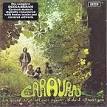
Inside Blind Dog At St. Dunstans by Caravan
Blind Dog At St. Dunstans- Album Overview
"Blind Dog at St. Dunstans" is the seventh studio album by the British progressive rock band Caravan, released in 1972. This album emerged during a vibrant period for the band, known for their distinctive blend of jazz, rock, and Canterbury Scene influences. The album was produced by David Hitchcock, who played a significant role in shaping the band's sound during this era. Released under the label Decca Records, the album showcases Caravan’s experimental approach to songwriting and instrumentation. It features a rich tapestry of sounds, characterized by intricate melodies and complex arrangements.
The recording sessions took place at the infamous De Lane Lea Studios in London, where the band sought to evolve their sound while retaining their unique identity. The lineup for this album included founding members Pye Hastings, Richard Coughlan, and Geoffrey Richardson, among others, all contributing to the eclectic soundscape that Caravan is celebrated for. Notably, the album includes tracks like "Memory Lain, Hugh," which captures the essence of their lyricism and musical prowess.
Despite not yielding major chart-topping singles, "Blind Dog at St. Dunstans" has garnered a cult following over the years, appreciated for its depth and artistic ambition. The album's status within the progressive rock genre is significant, reflecting the creative experimentation of the early '70s, making it a noteworthy entry in Caravan's discography and the Canterbury Scene at large.
Review
The sound of "Blind Dog at St. Dunstans" is a testament to Caravan's ability to weave together a rich tapestry of musical influences. The album opens with "Memory Lain, Hugh," which sets the tone for the rest of the record with its lush instrumentation and whimsical lyrics. The band's trademark use of flutes, keyboards, and guitars create a dreamlike atmosphere that invites the listener to explore deeper themes of memory and nostalgia.
Throughout the album, Caravan's lyrical content often reflects on personal experiences and existential musings, delivered with a sense of both whimsy and seriousness. Tracks like "The Dog, The Dog, He's at It Again" exhibit a playful side, while "A Very Smelly Grubby Little Oik" offers a more satirical take on modern life. The artistic vision of Caravan shines through their intricate compositions, which blend jazz and rock elements seamlessly, showcasing their musicianship.
However, some listeners might find the album's shifts in tempo and mood to be jarring, as Caravan explores a range of styles within a single work. Nonetheless, the experimentation is a hallmark of their artistry, making each listen a unique experience.
Highlights
- Intricate and imaginative instrumentation, showcasing the band's musicianship.
- Thought-provoking lyrics that blend whimsy with deeper themes.
- Strong cohesion between tracks, maintaining an engaging atmosphere throughout the album.
Weak points
- Some tracks may feel disjointed or uneven in tempo, which could alienate casual listeners.
- The overall production quality may seem dated compared to modern standards.
- Limited commercial appeal, which may prevent wider recognition of the album's significance.
Overall evaluation
"Blind Dog at St. Dunstans" is a compelling entry in Caravan's catalog that exemplifies their innovative spirit and contributions to the progressive rock genre. Though it may not be as accessible as other works, its charm lies in its complexity and artistry.
Personal rating: 7.5/10 1996All Over You
 1977Better By Far
 1975Cunning Stunts
 1973For Girls Who Grow Plump In The Night
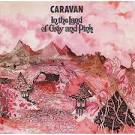 1971In The Land Of Grey And Pink
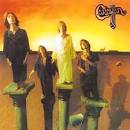 1969Caravan