
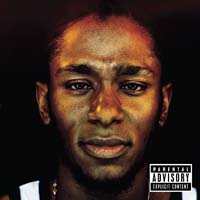
Black on Both Sides: the story Mos Def wants to tell
Black on Both Sides- Album Overview
Released on October 12, 1999, "Black on Both Sides" is the debut solo album by American hip-hop artist Mos Def, who is also known for his acting and activism. The album was released under the Rawkus Records label and showcases a blend of genres, including hip-hop, jazz, and soul, reflecting Mos Def's diverse artistic influences. The production features contributions from renowned producers like DJ Premier, who infused his signature sound into tracks like "Mathematics," and the late J Dilla, who provided a unique touch to the album's overall vibe.
Recording took place in various studios, including Electric Lady Studios in New York City, where Mos Def collaborated with a range of artists and musicians. The album includes notable features from Talib Kweli, a long-time friend and collaborator, and offers a platform for discussing social and cultural issues relevant to the African American experience. Singles such as "Ms. Fat Booty" and "Umi Says" gained significant attention, further establishing Mos Def as a voice of his generation.
"Black on Both Sides" is not just a musical project; it serves as a cultural statement. Mos Def addresses themes such as identity, race, and the struggles faced by the Black community, making the album a critical part of late '90s hip-hop. Its impact can still be felt today, as it paved the way for more conscious and introspective hip-hop artists. The album has been widely acclaimed by critics and fans alike, often regarded as one of the greatest hip-hop albums of all time, solidifying Mos Def's place in music history.
Review
Musically, "Black on Both Sides" is a rich tapestry of sounds that seamlessly blends traditional hip-hop elements with jazz and soul influences. Mos Def's lyrical prowess shines throughout the album, as he tackles complex issues with a poetic and introspective approach. Tracks like "Mathematics" and "Umi Says" showcase his ability to weave intricate narratives while addressing societal problems. The production stands out with its varied instrumentation, allowing Mos Def's articulate delivery to take center stage.
Artistically, Mos Def presents a compelling vision that combines personal reflection with broader cultural commentary. His authenticity and commitment to his roots resonate deeply, making each track not only a song but a message. The album's flow is impeccable, transitioning from the thought-provoking "N.Y. State of Mind" to the soulful "Ms. Fat Booty," which captures the essence of love and relationships. It is this versatility that makes "Black on Both Sides" a timeless classic that continues to inspire new generations of artists and listeners.
Highlights
- Thought-provoking lyrics addressing social and cultural issues.
- Diverse production that blends hip-hop with jazz and soul.
- Strong collaborations with artists like Talib Kweli and producers like DJ Premier.
Weak points
- Some listeners may find the album's pacing uneven at times.
- Tracks like "Do It Now" may not resonate as strongly as others.
- The album's introspective nature may not appeal to those seeking more mainstream hip-hop sounds.
Overall evaluation
"Black on Both Sides" is a landmark album that transcends typical genre confines, delivering a message that is as relevant today as it was at its release. Mos Def's masterful storytelling and innovative production make this album a must-listen for anyone interested in the deeper layers of hip-hop.
Personal rating: 9/10 2009The Ecstatic
 2006True Magic
 2004The New Danger