
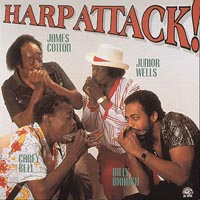
The evolution of Junior Wells in Better Off With The Blues
Better Off With The Blues- Album Overview
"Better Off With The Blues" is a significant entry in the discography of Junior Wells, released in 1998. The album was produced by the Chicago blues legend himself, showcasing his evolution as both a musician and a storyteller. Released under the label Telarc Records, it marked a notable return for Wells after a period of relative quietness in his career. The recording took place in a studio setting that captured the raw energy and authenticity of Wells' performances, featuring a tight band of collaborators including guitarist and producer Michael Hill, bassist Dave Bartholomew, and drummer John "Juke" Logan. The album comprises a collection of original tracks alongside well-chosen covers that highlight Wells' deep roots in blues traditions. The title track, "Better Off With The Blues," stands as a testament to Wells' ability to blend traditional blues with contemporary influences, while tracks like "Come On In This House" showcase his dynamic vocal prowess and harmonica skills. The album reflects a broader cultural significance, as it encapsulates the essence of Chicago blues while appealing to modern listeners. Wells' storytelling through music resonates with themes of love, loss, and resilience, making the album not only a showcase of musical talent but also a reflection of life's complexities. With singles that garnered attention, such as "You Don't Love Me," the album solidified Wells' position as a pivotal figure in the blues genre, influencing a new generation of musicians.
Review
"Better Off With The Blues" is a compelling blend of traditional blues and modern sensibilities, showcasing Junior Wells’ distinctive voice and harmonica skills. The production is crisp, allowing the raw emotion of Wells' performance to shine through. Lyrically, the album navigates familiar blues themes—heartache, longing, and resilience—delivered with Wells’ signature grit and authenticity. His storytelling is poignant, drawing listeners into the narratives woven through each track. The instrumentation is tight, with a strong rhythm section that supports Wells' vocal and harmonica work, creating a rich blues experience. While some tracks are steeped in classic blues roots, others venture into contemporary territory, reflecting Wells' adaptability and evolution as an artist. Overall, the album serves as a celebration of Wells' legacy while simultaneously pushing the boundaries of blues music.
Highlights
- The dynamic blend of traditional and modern blues influences.
- Wells' powerful vocals and masterful harmonica playing.
- Strong lyrical storytelling that resonates with life experiences.
Weak points
- Some tracks may feel formulaic to seasoned blues listeners.
- Occasional pacing issues in the album flow.
- Limited exploration of different musical styles beyond blues.
Overall evaluation
"Better Off With The Blues" stands as a testament to Junior Wells' enduring legacy in the blues genre. It captures his evolution as an artist while maintaining the heartfelt essence of the blues tradition. The album is a rich listening experience that both honors and revitalizes the genre.
Personal rating: 8/10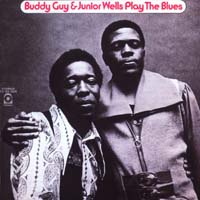 1972Play the Blues