

Is Below the Waste The Art of Noise's best work yet?
Below the Waste- Album Overview
"Below the Waste" is the third studio album by the British electronic group The Art of Noise, released in 1990. The album was produced by the band and features a blend of avant-garde pop, electronic, and industrial sounds, reflecting their innovative approach to music. Released under the ZTT Records label, "Below the Waste" marked a significant evolution in the band's sound compared to their earlier works. The production involved contributions from various collaborators, including the pioneering producer and engineer Gary Langan, who helped shape the album's distinctive sound. The album features tracks like "Yebo," "The Holy Egoism of Genius," and "Innocence," showcasing their characteristic mix of samples, synthesized melodies, and rhythms. "Below the Waste" was notable for its experimental nature, as it incorporated elements of hip-hop, funk, and new wave, placing it at the intersection of various genres. The album didn't produce any commercial hits comparable to "Close (To the Edit)" from their previous album, but it garnered critical acclaim for its artistic ambition and complexity. Lyrically, the album often explored themes of society, technology, and human emotion, reflecting the cultural landscape of the late 1980s and early 1990s. Despite its less commercial appeal, the album is considered a landmark in electronic music and has influenced numerous artists in the years since its release.
Review
Upon listening to "Below the Waste," one cannot help but recognize The Art of Noise's commitment to pushing the boundaries of sound. The album is a sonic tapestry that weaves together stark electronic beats, samples, and a wide array of instrumentation, creating an immersive listening experience. The tracks are intricately layered, showcasing the band's deftness in production and arrangement. The use of spoken word and unconventional vocal samples adds an avant-garde touch that sets it apart from mainstream offerings of the time. However, the album's artistic vision may be challenging for casual listeners, as it often prioritizes experimentation over accessibility. The lyrics, while thought-provoking, can feel cryptic, which might limit the album's appeal to a broader audience. Nevertheless, this complexity is also its strength, inviting deeper analysis and appreciation from those willing to engage more profoundly with the music. "Below the Waste" ultimately represents a high point in The Art of Noise's artistic journey, balancing innovation and introspection in a way that few contemporaries achieved.
Highlights
- Innovative production techniques that redefine electronic music.
- A unique blend of genres, creating an avant-garde soundscape.
- Thought-provoking themes, inviting listeners to reflect on societal issues.
Weak points
- Commercially less appealing than earlier hits, possibly limiting its audience.
- Complex lyrics that may alienate casual listeners.
- Some tracks may feel overly experimental, lacking pop sensibility.
Overall evaluation
"Below the Waste" stands as a testament to The Art of Noise's artistic integrity and willingness to challenge musical norms. While it may not have the commercial impact of their earlier works, its innovative spirit and depth make it a significant entry in their discography.
Personal rating: 8/10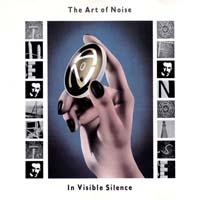 1986In Visible Silence