
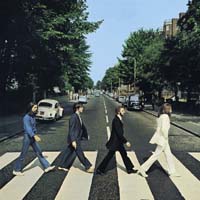
The Beatles returns with Beatles for Sale / Rubber Soul
Beatles for Sale / Rubber Soul- Album Overview
The Beatles' albums "Beatles for Sale" and "Rubber Soul," both released in the 1960s, mark a pivotal moment in the evolution of the band and the music industry as a whole. "Beatles for Sale," released on December 4, 1964, in the UK, followed the band's massive success with "A Hard Day's Night." The album reflects the band's growing maturity and a shift towards more introspective songwriting. It features a mix of original compositions and covers, highlighting the band's influences from American rock and roll and folk music. The album was produced by George Martin and released under Parlophone Records. "Rubber Soul," released on December 3, 1965, further solidified The Beatles' status as innovative artists. This album showcased a significant shift in their songwriting, with more complex lyrics and varied musical styles, including folk rock, which was influenced by Bob Dylan and the burgeoning counterculture. The album's production also involved contributions from musicians such as keyboardist Paul McCartney and instrumental experimentation. "Rubber Soul" was critically acclaimed upon release and is recognized for its artistic depth and lyrical exploration, featuring iconic tracks like "Norwegian Wood (This Bird Has Flown)" and "In My Life." Both albums are significant not only for their musical content but also for their place in the cultural landscape of the 1960s, representing a shift towards more sophisticated and thoughtful popular music.
Review
The sound of both "Beatles for Sale" and "Rubber Soul" illustrates a transformative period for The Beatles. "Beatles for Sale" presents a more somber tone, with songs like "No Reply" and "I’m a Loser" showcasing a sense of vulnerability uncommon in their previous works. The lyrics reflect personal struggles and emotional depth that resonate with listeners, marking a departure from the carefree love songs of their early career. In contrast, "Rubber Soul" is a bold step forward, characterized by experimentation and lyrical sophistication. Tracks like "Drive My Car" and "Girl" highlight the band's ability to weave storytelling with catchy melodies. The use of unconventional instruments, such as the sitar in "Norwegian Wood," foreshadows the band's later explorations into psychedelia. This album captures the essence of the 1960s, blending musical innovation with cultural commentary, and showcases The Beatles' artistic vision as they moved away from their pop roots towards a more profound musical expression.
Highlights
- Cohesive songwriting and emotional depth in "Beatles for Sale."
- Innovative musical experimentation in "Rubber Soul."
- Significant cultural impact and lasting influence on artists across genres.
Weak points
- Some critics argue "Beatles for Sale" lacks the polish of later works.
- Occasional filler tracks that don't match the overall quality of standout songs.
- Not as commercially successful as their earlier albums, with fewer chart-topping singles.
Overall evaluation
Both "Beatles for Sale" and "Rubber Soul" represent crucial chapters in The Beatles' evolution as artists. They demonstrate a willingness to explore new themes and sounds, paving the way for subsequent masterpieces. While "Beatles for Sale" may seem less cohesive, "Rubber Soul" is a landmark album that highlights the band's artistic growth and cultural relevance.
Personal rating: 8.5/10 1966Revolver
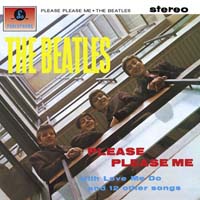 1963Please Please Me
 0The White Album