ALBUM NOTESExploring the sound of Jefferson Airplane-Bark: Bark
Album overview
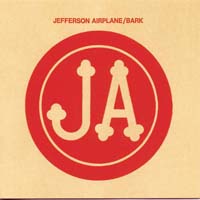
The album "Bark" was released on January 12, 1971, by Jefferson Airplane, marking a significant point in the evolution of the band. This was their fifth studio album and their first released after the departure of founding member Marty Balin. Produced by the band and engineered by the notable Bruce Botnick, "Bark" was recorded at the Wally Heider Studios in San Francisco, reflecting the band's transition towards a more polished sound. The album was released on the RCA Records label and features a blend of rock, psychedelic, and folk influences, which were characteristic of the late '60s and early '70s.
"Bark" includes notable tracks such as “Pretty as You Feel,” which served as the lead single, and “When the Earth Moves Again.” The album features contributions from various collaborators, including guitarist and vocalist Jorma Kaukonen and bassist Jack Casady, who were pivotal in shaping the band's sound. The album's artwork, featuring a distinctive cover by artist Charles McGrew, adds to its cultural significance. Although not as commercially successful as its predecessors, "Bark" is often remembered for its experimentation and the band's willingness to evolve. It captures the essence of a band navigating the changing tides of rock music during a time of great cultural upheaval.
Review
"Bark" represents a unique chapter in Jefferson Airplane's storied career, showcasing a shift from the raw energy of their earlier works to a more refined and experimental sound. The album's production quality is noteworthy, exhibiting clear instrumentation and vocal harmonies that highlight the band's musical prowess. Lyrically, the songs delve into themes of love, disillusionment, and social commentary, reflecting the turbulent times of the early '70s.
The lead track, “Pretty as You Feel,” is a standout, with its infectious melody and harmonious vocals, capturing the essence of the band's ability to blend intricate arrangements with accessible pop sensibilities. Tracks like “Wild Turkey” and “Law Man” demonstrate the band's willingness to explore different musical styles while retaining their core identity. However, some critics argue that the album lacks the cohesion and impact of earlier works, attributing this to the lineup changes and the evolving music landscape.
Overall, "Bark" presents an intriguing mix of sounds that, while not groundbreaking, offers a glimpse into the band's artistic evolution.
Highlights
- Strong vocal performances, especially from Grace Slick
- Intricate instrumentation and production quality
- Engaging lyrical themes that resonate with the era
Weak points
- Lack of cohesion compared to earlier albums
- Some tracks feel less impactful or memorable
- Not as commercially successful as previous releases
Overall evaluation
"Bark" stands as a testament to Jefferson Airplane's resilience and adaptability in a changing musical landscape. While it may not reach the heights of their earlier classics, it offers a fascinating look at a band in transition.
Personal rating: 7/10
```

 1989Jefferson Airplane
 1972Long John Silver
 1967Surrealistic Pillow
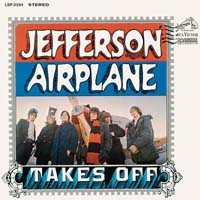 1966Jefferson Airplane Takes Off