ALBUM NOTESReview of 2 Live Crew-Banned in the U.S.A. – Banned in the U.S.A.
Album overview
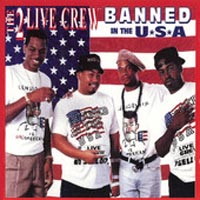
2 Live Crew's "Banned in the U.S.A." was released on July 1, 1990, by Luke Records as a follow-up to their controversial album "As Nasty As They Wanna Be." The album is often regarded as not just a musical endeavor but a cultural statement, highlighting issues of censorship and freedom of speech. The production features a blend of Miami bass and hip-hop, characterized by heavy beats and provocative lyrics. The group's members, Luther Campbell (Luke), Fresh Kid Ice, Mr. Mixx, and Brother Marquis, collaborated closely with producers like Mr. Mixx and Luke Campbell himself. The album produced the single "Me So Horny," which achieved significant commercial success despite its explicit content. Its impact on the hip-hop landscape was profound, as it sparked discussions around censorship in music, ultimately leading to a Supreme Court case that affirmed First Amendment rights. The album's boldness and unapologetic nature solidified 2 Live Crew's place in hip-hop history.
Review
"Banned in the U.S.A." serves as a polarizing artifact within the hip-hop genre. Musically, the album maintains a high-energy sound typical of the Miami bass style, with infectious hooks and danceable beats. Lyrically, it pushes the boundaries of explicit content, often crossing into areas that some listeners may find offensive. However, it is this very audacity that showcases the group's artistic vision—using shock value to highlight the absurdity of censorship. While the album is undeniably catchy, its lyrical content may alienate some audiences. Still, for those willing to engage with its provocative nature, it offers a thrilling ride through the intersections of music, culture, and free expression.
Highlights
- Bold and provocative lyrics challenge societal norms.
- Catchy hooks and infectious beats that resonate with audiences.
- Significant cultural impact that sparked conversations around censorship.
Weak points
- Explicit content may not appeal to all listeners.
- Some tracks may feel repetitive or formulaic.
- Critics argue that the shock value overshadows musicality.
Overall evaluation
"Banned in the U.S.A." stands as a testament to the power of music as a form of protest and expression. While it may not cater to every taste, its historical significance and unapologetic approach make it a noteworthy entry in the hip-hop canon.
Personal rating: 7/10
```


 2004Stop-Playin