
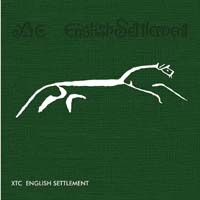
Apple Venus, Volume 2: Wasp Star: the story Xtc wants to tell
Apple Venus, Volume 2: Wasp Star- Album Overview
"Apple Venus, Volume 2: Wasp Star" is the final studio album by the English rock band XTC, released on June 11, 2000. This album followed the orchestral and ambitious "Apple Venus, Volume 1," showcasing a return to a more pop-oriented sound. Released under the label Idea Records, "Wasp Star" was produced by XTC members Andy Partridge and Dave Gregory, who also contributed to the songwriting. The recording sessions took place primarily at the band's own studio, The Townhouse, and saw the involvement of long-time collaborator and engineer John Leckie, who had worked with the band in earlier days. The album includes prominent tracks such as "The Wheel and the Hill," "I’m the Man Who Murdered Love," and "Stupidly Happy," which highlight the band’s knack for clever lyrics and melodic prowess. "Wasp Star" presents a blend of pop and rock influences, integrating elements of jangle pop and power pop while maintaining XTC's signature wit and lyrical depth. This release features a more direct sound compared to its predecessor, emphasizing catchy hooks and accessible melodies. Culturally, "Wasp Star" stands as a testament to XTC's enduring legacy, embodying the evolution of a band that began in the late 1970s during the punk and new wave movements. The album’s singles received positive critical reception and reflected XTC's continued relevance in the music landscape, even as they faced challenges in the industry. Despite a lack of mainstream success compared to some of their earlier works, "Wasp Star" is often regarded by fans as an underappreciated gem in the band's discography.
Review
"Apple Venus, Volume 2: Wasp Star" serves as a captivating exploration of XTC's artistic vision. The album features a fusion of melodic sensibilities and introspective lyrics, showcasing the band's maturity while retaining an infectious pop sound. Tracks like "I’m the Man Who Murdered Love" highlight their ability to weave clever narratives with biting social commentary, while "Stupidly Happy" radiates a sense of joy and whimsicality that contrasts with the darker undertones present in other songs. Musically, the album is rich with layered instrumentation, tight harmonies, and a polished production quality that reflects the band's evolution. While "Wasp Star" may not possess the grand orchestration of "Apple Venus, Volume 1," it compensates with catchy arrangements and a more straightforward rock approach. Partridge's vocal delivery remains as engaging as ever, and Gregory's guitar work is both innovative and accessible, encapsulating the essence of XTC's sound. The lyrical themes traverse a range of emotions, from love and loss to existential musings, encapsulating the band's knack for storytelling. "Wasp Star" ultimately delivers an album that feels both immediate and reflective, a fitting end to XTC's storied career.
Highlights
- Catchy melodies and hooks that are quintessential XTC.
- Witty and thought-provoking lyrics that showcase the band's lyrical prowess.
- Strong musicianship, particularly in guitar work and vocal harmonies.
Weak points
- A departure from the grand orchestral style of "Apple Venus, Volume 1" may disappoint some fans.
- Despite its strengths, the album may not stand out as strongly in mainstream recognition.
- Some tracks may feel less developed compared to their more ambitious earlier works.
Overall evaluation
"Apple Venus, Volume 2: Wasp Star" is a testament to XTC's enduring creativity and ability to evolve musically. While it may not capture the same acclaim as some of their earlier albums, it offers a rich collection of songs that reflect both their wit and musicality. The album stands as a fitting conclusion to their
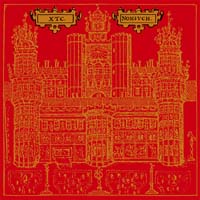 1992Nonsuch
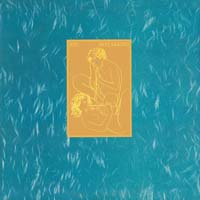 1986Skylarking
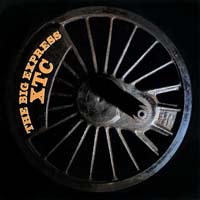 1984The Big Express
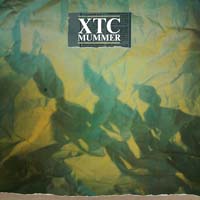 1983Mummer
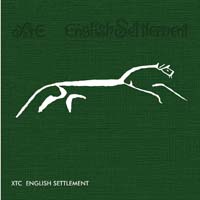 1982English Settlement
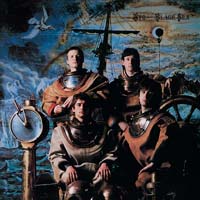 1980Black Sea
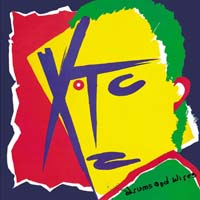 1979Drums and Wires
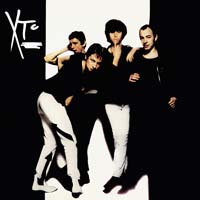 1978White Music
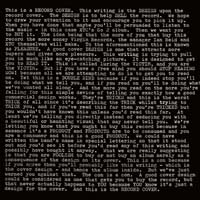 1978Go 2
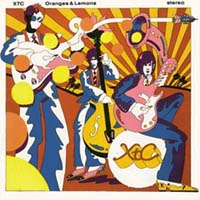 0Oranges