
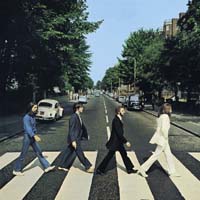
The Beatles raises the bar with A Hard Day’s Night / Beatles for Sale
A Hard Day’s Night / Beatles for Sale- Album Overview
"A Hard Day’s Night" and "Beatles for Sale" are two pivotal albums by The Beatles, released in 1964 and 1964 respectively. "A Hard Day’s Night," the band's third studio album, coincided with their first feature film of the same name, released on July 10, 1964. The album, produced by George Martin, is notable for its incorporation of rock and pop elements, featuring eight original songs penned by John Lennon and Paul McCartney, alongside two covers. The title track, a chart-topping single, exemplifies the band's signature harmonies and catchy melodies.
"Beatles for Sale," released just a few months later on December 4, 1964, marked a turning point in the band's sonic evolution. The album reflects a more introspective and mature sound, influenced by the pressures of fame and the band's increasing songwriting prowess. It features a mix of original tracks and covers, with standout songs like "No Reply" and "I'm a Loser" showcasing Lennon’s deepening lyrical complexity. Both albums were released under Parlophone Records and were well-received commercially, with "A Hard Day’s Night" reaching number one in the UK and the US, while "Beatles for Sale" also performed strongly on the charts.
The production of these albums involved collaborations with notable figures, including George Martin, who played a crucial role in shaping The Beatles' sound. The recording process for both albums was rapid, reflecting the band's busy schedule and the cultural zeitgeist of the 1960s, where the British Invasion was in full swing. The albums not only captured the essence of the time but also showcased The Beatles' evolution as artists who were beginning to push the boundaries of popular music.
Review
The sound of "A Hard Day’s Night" is characterized by its jangly guitars, infectious melodies, and tight vocal harmonies, establishing a template for future pop-rock bands. The album's energy is palpable, with tracks that evoke the excitement of Beatlemania. In contrast, "Beatles for Sale" presents a more subdued yet introspective sound, with deeper lyrical themes and a more acoustic approach. The contrast between the two albums illustrates The Beatles' versatility and willingness to explore different musical landscapes. Lyrically, Lennon and McCartney's growth is evident; the tracks in "Beatles for Sale" reflect themes of heartache and existential angst that resonate with listeners on a more personal level.
Highlights
- The infectious energy and catchy hooks of "A Hard Day’s Night."
- The lyrical depth and maturity showcased in "Beatles for Sale."
- The seamless production by George Martin, enhancing the band's sound.
Weak points
- Some may find the rapid production schedule led to less polished tracks on "Beatles for Sale."
- The inclusion of covers may detract from the original songwriting focus.
- The shift in mood between the two albums may be jarring for some listeners.
Overall evaluation
Both albums represent significant milestones in The Beatles' career, showcasing their remarkable ability to evolve musically while retaining their charm. "A Hard Day’s Night" captures the exuberance of youth, while "Beatles for Sale" offers a more reflective perspective. Together, they illustrate the band's dynamic range and set the stage for their future innovations.
Personal rating: 9/10 1966Revolver
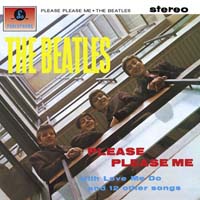 1963Please Please Me
 0The White Album