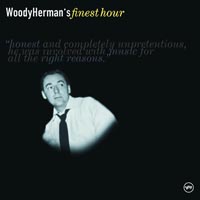
ALBUM NOTESFirst impressions of Woody Herman – 1963
1963- Album Overview
The album "1963" by Woody Herman was released in, unsurprisingly, 1963 under the Columbia Records label. This period marked a significant time in jazz history, as the genre was evolving and embracing new influences, including elements from rock and pop. Woody Herman, a prominent figure in the big band era, was known for his innovative approach to jazz, and this album represents a continuation of his experimentation with sound and orchestration.
"1963" features a mix of original compositions and arrangements that showcase Herman's signature style, blending rich harmonies with vibrant rhythms. Collaborating with a talented ensemble of musicians, Herman's band includes notable players such as Bill Perkins, who contributed on tenor saxophone, and the dynamic trumpeter, Conte Candoli. The album was produced during a time when Herman was also known for his ability to foster young talent within his band, which helped shape the direction of jazz in the years to come.
The album comprises an engaging selection of tracks that highlight Herman's versatility and skill as a bandleader. While specific singles from the album may not have gained widespread recognition, the collective work exemplifies the energy and creativity of the early 60s jazz scene. In a cultural context, "1963" reflects a transitional phase for jazz, as it sought to remain relevant amid the rise of rock 'n' roll and other musical trends.
Overall, this album serves as an important artifact of its time, encapsulating the spirit of experimentation that defined Woody Herman's work and the broader jazz landscape in the early 1960s.
Review
The sound of "1963" is a testament to Woody Herman's ability to adapt and innovate within the jazz genre. The album showcases a diverse range of styles and moods, expertly blending traditional big band elements with more modern influences. Herman's leadership is apparent, as he guides his ensemble through intricate arrangements with both precision and flair.
While the album does not feature lyrics per se—being primarily instrumental—its musical narratives evoke strong emotions, allowing listeners to interpret the stories conveyed through the melodies. Herman's artistic vision shines through in the arrangements, which often feature bold brass sections and nuanced rhythms that keep the listener engaged throughout.
The improvisational nature of jazz is also highlighted in this album, with individual musicians given space to showcase their talents. This spontaneity is a hallmark of Herman's style, making the listening experience dynamic and refreshing. However, some may find that the lack of vocal tracks might limit the album's accessibility to a broader audience, as it primarily appeals to jazz aficionados.
Highlights
- Rich and intricate arrangements that showcase Herman's band at its best.
- Strong improvisational sections that highlight the individual talents of band members.
- A successful blend of traditional big band jazz with contemporary influences of the era.
Weak points
- Limited appeal to casual listeners due to the absence of vocal tracks.
- Some tracks may feel dated compared to more contemporary jazz offerings.
- The album lacks standout singles that gained significant commercial traction.
Overall evaluation
"1963" by Woody Herman is a compelling exploration of jazz in a transformative era. While it may not have achieved mainstream success, the album is a valuable piece for those interested in the evolution of the genre. Its rich instrumentation and skilled performances make it a worthy listen for jazz enthusiasts.
Personal rating: 7/10