
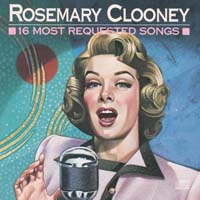
Listening guide: Rosemary Clooney's 1946-50
1946-50- Album Overview
Released in 1999, "1946-50" is a compilation album that captures the early career of renowned jazz and pop vocalist Rosemary Clooney, featuring recordings from her peak years in the late 1940s. This collection is a testament to Clooney's significant contribution to the music scene during a transformative era in American music. The album was released under the Concord label and showcases a selection of her work during the years 1946 to 1950, a time when she was gaining prominence in the big band and popular music genres.
The tracks on the album were recorded primarily with the orchestras of the time, including those led by notable arrangers and bandleaders such as Buddy Bregman and Paul Weston. Clooney's collaborations with these talented musicians helped shape the sound of American popular music in the post-war era. Notable singles from this period that are included in the compilation feature her interpretations of standards like "Come On-a My House," which became a significant hit and is often credited with introducing a broader audience to her vocal style.
The cultural significance of Clooney’s work cannot be understated; she became a symbol of optimism and resilience in a period marked by recovery from World War II. Her smooth, emotive singing style, coupled with her engaging personality, made her a beloved figure in the entertainment industry. This album serves not only as a collection of her popular tracks but also as a reflection of the evolving landscape of American music in the late 1940s, bridging the gap between jazz, pop, and traditional standards.
Review
"1946-50" showcases Rosemary Clooney’s exceptional vocal talents, characterized by her rich timbre and the ability to convey emotion with clarity and nuance. The album features a mix of upbeat tracks and ballads, allowing listeners to experience the full range of Clooney's artistry. Her interpretations of popular standards resonate with warmth and authenticity, drawing in audiences with both her technical skill and heartfelt delivery.
Lyrically, the songs often reflect the themes of love, longing, and the everyday experiences of life in the post-war era, making them relatable and timeless. Clooney’s artistic vision combines a deep understanding of the lyrics with an instinctive phrasing that feels natural and conversational, allowing listeners to connect with the material on a personal level. The production is polished, yet retains an organic charm, a hallmark of the era's recording techniques. Overall, the album is a celebration of Clooney's legacy, encapsulating a pivotal moment in her career and in American music history.
Highlights
- Exceptional vocal delivery showcasing Clooney's emotional range
- A well-curated selection of tracks that highlight her versatility
- Historical significance reflecting post-war American culture
Weak points
- Lack of unreleased material or previously unavailable tracks
- Some listeners may find the production style dated compared to modern standards
- Limited context on the album's impact on contemporary artists
Overall evaluation
"1946-50" is a compelling collection that encapsulates the essence of Rosemary Clooney's early career. It offers a blend of nostalgia and artistry that serves both longtime fans and newcomers alike. The album not only highlights her vocal prowess but also provides insight into the cultural landscape of mid-20th century America.
Personal rating: 8/10