ALBUM NOTESThe evolution of Blur-13 in 13
Album overview
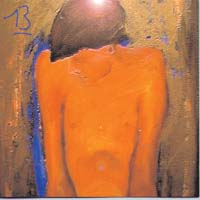
Blur's album "13" was released on March 15, 1999, marking a pivotal moment in the band's career and the evolution of Britpop. Produced by William Orbit, known for his work with Madonna, the album showcases a departure from the band's earlier sound, embracing a more experimental and electronic approach. "13" was released under the Food Records label and features a blend of rock, electronic, and avant-garde influences. The recording sessions were characterized by turmoil and creative tensions within the band, particularly between lead singer Damon Albarn and guitarist Graham Coxon, whose struggles with addiction during this period influenced the album's darker themes.
The album includes notable tracks such as "Coffee and TV," which became one of Blur's most recognized singles, along with "Tender," a poignant ballad that reflects personal loss and yearning. Both singles received significant airplay and contributed to the album's success, which debuted at number one on the UK Albums Chart. "13" is often hailed for its exploration of themes like isolation, love, and the complexities of modern life, reflecting the shifting cultural landscape of the late 1990s. The album is also significant for its use of abstract and experimental sounds, which set it apart from its predecessors and influenced a generation of musicians.
Review
"13" is an album that encapsulates a moment of transformation for Blur, moving away from the playful Britpop anthems of their earlier works towards a more introspective and experimental sound. The production, spearheaded by Orbit, brings a lush, layered quality to the tracks, with a focus on atmosphere and texture, which enhances the emotional depth of the lyrics. Songs like "Tender" are hauntingly beautiful, showcasing Albarn's vulnerability as he navigates themes of love and loss. The juxtaposition of upbeat tracks like "Coffee and TV" with more somber pieces creates a dynamic listening experience, reflecting the band's artistic growth.
Lyrically, the album dives deep into personal narratives, with Albarn's introspective style resonating throughout. The sense of melancholy and introspection is palpable, making it a reflection of the band's internal struggles during the recording period. Coxon's guitar work shines through, particularly on tracks that require a heavier emotional weight. However, some may find the album's departure from conventional song structures and more accessible melodies to be jarring. Overall, "13" stands as a testament to Blur's willingness to evolve and push boundaries, ultimately producing a work that is both critically acclaimed and culturally significant.
Highlights
- Richly textured production that enhances emotional depth
- Introspective and poignant lyrics that resonate with listeners
- Successful singles that showcase the band's musical evolution
Weak points
- Some tracks may feel disjointed or experimental for casual listeners
- The darker themes might not appeal to everyone
- Less commercial appeal compared to earlier Blur albums
Overall evaluation
"13" is an ambitious and introspective album that demonstrates Blur's artistic evolution during a challenging time. It successfully blends experimentation with emotional depth, making it a standout in their discography.
Personal rating: 8/10
```

 2015The Magic Whip
 2003Think Tank
 1997Blur
 1995The Great Escape
 1994Parklife