Gustav Holst is one of those polarizing figures in music history. His works are beloved by some, yet disliked and under-appreciated by others. To this day there exist vigorous debates about the merits of his compositions, but one cannot deny that he remains an influential artist to our current culture. While acknowledging the criticism which has been leveled against him, we here at Soundtunes think it is important to also recognize all the creative beauty which Gustav Holst introduced into classical music and how it continues to influence composers even today. Join us as we go through some of his most celebrated pieces and examine what made them so unique!
Gustav Holst is a composer often overlooked in music history, yet his works continue to influence and inspire composers in our current culture. While some critics have not favored his compositions, we cannot deny the creative beauty introduced into classical music by Holst. Through this post, we will focus on some of his most celebrated pieces and examine what made them so unique.
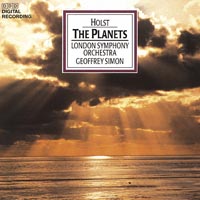
Gustav Holst's most popular work is undoubtedly The Planets, a seven-movement orchestral suite composed between 1914 and 1916. Each movement is named after a planet in our solar system, and the music reflects the astrological character of that planet. For example, Jupiter, the Bringer of Jollity is a grand and jubilant melody, fitting for the largest planet in the solar system. The use of unusual instruments like the celesta and harp, as well as the expanded role given to percussion, were some of the revolutionary techniques used in The Planets.
Another one of Holst's masterpieces is St. Paul's Suite, composed in 1913 for the school orchestra of St. Paul's Girls' School in London. Traditional British folk tunes are interwoven with each other in the four movements, creating a delightful and whimsical sound. The third movement, Intermezzo, is an excellent showcase of Holst's skills in developing a simple theme into a complex and fascinating melody. The use of violin solos in the final movement, Finale (The Dargason), give this piece a uniquely spirited and uplifting quality.
The Hymn of Jesus, composed in 1917, is a short choral piece that showcases Holst's experimenting with mysticism and religion. The text of the piece is influenced by the Gnostic Gospel of Thomas, one of the early Christian texts excluded from the New Testament canon. Holst experimented with unconventional tonalities and rhythms, often using techniques of overlapping parts used in his previous compositions.
One of Holst's lesser-known works, A Fugal Concerto, is a three-movement chamber piece composed in 1923. Each movement features a different soloist playing sections of elegant counterpoint, with the third movement eventually building to a full tutti section featuring the soloists as the leaders of the orchestra. The reintroduction of the soloists at the end of the piece creates a satisfying and complete musical experience.
Finally, Beni Mora, composed in 1909, is a tone poem inspired by Holst's childhood fascination with the East. The piece is divided into three movements, and Holst cleverly uses rhythm to incorporate exotic stamps and dances from North Africa into the piece. The use of brass and percussion instruments helps to create the unique sound associated with the genre.
Gustav Holst may not be a household name, but his works are undeniable testimonials to his genius and creativity. Through his experimentation with unconventional tonalities and his use of peculiar soundscapes, Holst changed the course of classical music, influencing numerous generations of composers that have followed him. Whether you are a die-hard classical music fan or a newcomer to the genre, Gustav Holst's works are well worth exploring to understand the rich tapestry of sounds that is classical music.