
Defining the term classical music won’t be easy. Comprises the wide range of different music, various instrumentation, and style, classical music can be considered as the western culture product which changed over time. Hundred years of the process create a different style of classical music, and it has their own characteristics in each era. There are lots of distinct periods of classical music, started from the early period, baroque, classic, romantic, and modern era and hence classical music has hundreds of different composers and each of them has their own unique. Maybe many famous composer’s works of classical music involving the orchestra. However, many smaller works have the smaller format, for example, the music for solo instrument, chamber music (can be duet, trio, quartet, quintet, and so on), and ensemble. Hence, the classical music areas are vast, and the richness of the music is unparalleled.Most of our church music, which used the Latin language, comes from the early period when all of the music utilization is still strictly focus for the church. At the near-end of the early period is called the renaissance period, which parallels the era of enlightenment. At that time, many artists and people started to forcefully break the strong restraint of the church rules, including the music. It becomes the bridge between the middle ages and the modern age. Hence, thanks to the renaissance, the baroque era depicts the new level of meaning and complexity of music compared to the previous and the example can be seen in J.S Bach works. Listen to the Inventions for solo piano and Toccata and Fugue in D minor to find the complexity of the counterpoint during the baroque era. The ornamentation in the music becomes one of the characteristics of baroque. Also, see Vivaldi Four seasons to witness the representation of the four seasons during that era with solo violin and accompanied by the baroque style orchestra.Moves to the classic era, there are changes of musical style contrastingly, from a complicated texture and ornamented music to less complicated with the focus on the elegance. One of the most notable composers is W.A Mozart, a young genius who composed various famous works, including the Eine Kleine Nachtmusik, and some renowned opera, such as Le Nozze di Figaro and Don Giovanni. Another influential composer is F.J Haydn who has the title as the ‘Father of the Symphony’ and the ‘Father of the String Quartet’ due to his contributions to these formats. One of the famous works of Haydn is String Quartet no. 62 in C Major Op.76 No.3 or shortly, Haydn Emperor string quartet. Then, the music changes again to the romantic era with the romanticism philosophy. The notable musician who contributes to this drastic change is Ludwig van Beethoven. If you see his early works, such as String quartet no.1 in F major has the classical characteristics. However, the drastic changes can be seen in Symphony no.5 and all of his late works, including the famous Symphony no. 9. The most influential violinist who produces numerous virtuosic pieces for violin, Niccolo Paganini are also born in the romantic era. Listen to his concerto no. 1 for violin and orchestra, Nel cor piu non mi sento, and 24 caprices for solo violin to witness one of the hardest violin pieces of all time. Another influential composer is Peter Ilyich Tchaikovsky, who creates three famous ballets, such as Swan Lake, The Nutcracker, and Sleeping Beauty. The transition from the romantic period to the modern period is more brutal. The invention of the twelve-tone system by Arnold Schoenberg and Alban Berg marks out the changes of the era from the transition to modern. In this era, many composers seek new, organic sounds from folk songs and indigenous music. For example, Bela Bartok’s Romanian dance and some of the Debussy works are inspired by Javanese gamelan. All of the composers I mentioned before is only a brief explanation of how vast classical music is, and it also has profound influences in the music disseminated to the worlds today. To start listening to classical music, you can start looking at the timeline. Start listening to the composers of the baroque era, then move to the classical period, the romantic era, and the modern era. Hence, it will give you a broad perspective on how music develops.
STAIMUSIC JOURNAL
The definition and the growth of classical music

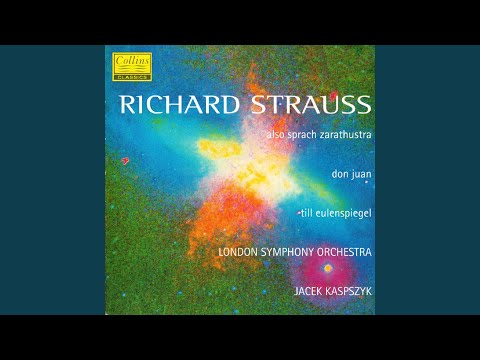
Richard Strauss
Examining the Legacy of Richard Strauss: The Good and the Criticisms
When it comes to music, Richard Strauss is one of the most highly regarded composers in history. His influence on classical and modern music has been …
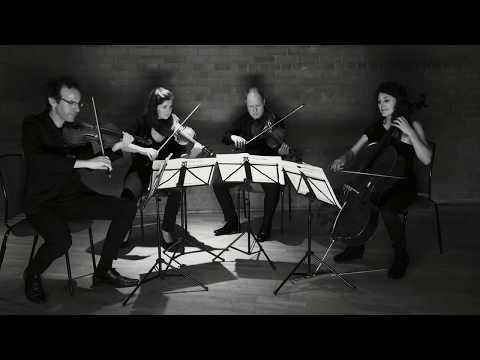
Philip Glass
Exploring the Mystique of Philip Glass's Minimalist Music
Since his emergence in the late 1960's, composer Philip Glass has become synonymous with minimalist music – a style that utilizes repetition and gradu…

Paul McCartney
Critical Look at Sir Paul McCartney's Post-Beatles Work
Sir Paul McCartney has been a staple of the music industry since The Beatles first hit single in 1962. His iconic and timeless songs have resonated wi…
Om
Unpacking the Sonic Journey of Om: A Critical Look at the Eclectic Musician
If you’re a fan of modern music, then you’ve definitely heard the name Om. Appearing on numerous stages around the world and producing amazing sounds …

Ólafur Arnalds
The Enchanting Music of Ólafur Arnalds: A Critical Review
Ólafur Arnalds is an Icelandic musician and producer whose music has captivated listeners with its unexpected fusion of contemporary classical, minima…
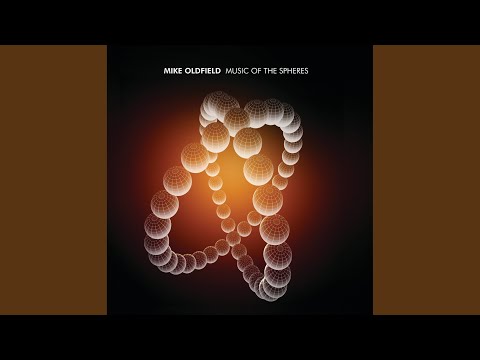
Mike Oldfield
The Multifaceted Sound of Mike Oldfield: A Closer Look at his Musical Career
Mike Oldfield's musical career has spanned forty years and continues to capture the ears of listeners around the world. With a hefty discography and a…