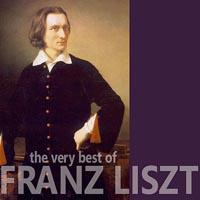
Franz Liszt was a Hungarian composer and pianist renowned for his virtuosic piano skills, impeccable musicianship, and innovative compositions. Born on October 22, 1811, in Raiding, Hungary, he was a prodigy with exceptional musical talent. He is considered one of the most significant composers and pianists of the 19th century, his genius has left a lasting impact on the world of classical music. In this article, we’ll take you on a deep dive into the musical biography of Franz Liszt and explore his beginnings, his most famous albums, his most famous songs, and his musical style and influences.
Liszt’s musical journey began at the age of six when he received piano lessons from his father, Adam Liszt. His father was a musician himself, and he had a vast collection of classical music. Young Franz was introduced to the music of Beethoven, Mozart, and Bach at an early age. By the age of nine, he had performed for the public, drawing applause and admiration. He continued to develop his skills through his adolescence, playing for royalty and various distinguished audiences.
Throughout his career, Liszt wrote a plethora of works for the piano. His most famous works include Liebestraum, Hungarian Rhapsodies, Sonata in B minor, and Les Preludes. He was known for his innovative compositions, notably his ‘Symphonic Poems,’ works that combine the virtues of a symphony and a poem in a single piece. The complexity and beauty of these compositions continue to intrigue music listeners to this day.
Among his most famous albums are the Années de Pèlerinage (Years of Pilgrimage), which he composed during his travels around Europe. The work is divided into three books, each detailing his experiences, reflections, and impressions of the places he visited. The first book features Switzerland, France, and Italy while the second book takes inspiration from Italy. The final volume features various other works and pieces Liszt composed during his life.
Franz Liszt was heavily influenced by the Romantic movement, characterized by an emphasis on imagination, individualism, and emotion. He was fascinated by folklore and folk music from various cultures, such as the Hungarian gypsy music and the music of the Middle East. In his compositions, he incorporated elements from these various cultures, creating works that were unique and captivating.
In addition to his musical genius, Liszt was known for his generosity and for his support of other composers and musicians. He championed the works of other composers, including Richard Wagner, whom he considered the most remarkable musical genius of his time. He was generous with his time and resources, helping younger musicians and funding fellowships to support music education.
Franz Liszt was a musical genius who continues to influence and impact the world of classical music today. He was a virtuoso pianist, an innovative composer, and a generous supporter of the music community. His works and compositions remain popular today, and his influence is still felt in the music of modern pianists. Franz Liszt’s life and music are a testament to the endless possibilities of human creativity and ingenuity.