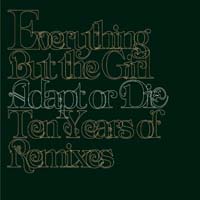
Everything but the Girl is a band with a long and unique history. Founded by vocalist Tracey Thorne and guitarist Ben Watt in 1982, the duo blended an array of genres from soul to folk to create their own sound. While they are commonly remembered as one-hit-wonders for their 1994 single Missing, this doesn't do justice to Everything but the Girl's entire discography - crammed full of tremendous songs that straddle many music styles. To understand what made them so special, its important look at both their criticizes and accolades around various times during their career to appreciate why today they remain hugely respected in musical circles around the world.
When you think of Everything but the Girl, chances are that the first thing that comes to mind is their 1994 hit song Missing. While this may have been their biggest commercial success, this English duo has so much more to offer. Beginning in 1982, vocalist Tracey Thorne and guitarist Ben Watt created a sound that blended a wide range of genres like soul, folk and pop, making it difficult to confine them to one label. Today, they remain highly respected by music critics and fans worldwide. In this article we will explore why their discography is so unique and what sets them apart from other bands of their era.
One of the most remarkable aspects of Everything but the Girl was their ability to seamlessly switch genres from song to song. For example, their second album, Love Not Money, incorporated a variety of styles ranging from upbeat dance numbers to melancholic ballads. It’s this diversity in their sound that makes them stand out from their contemporaries of the time.
Aside from their versatility, Everything but the Girl’s songwriting ability was particularly impressive. Their lyrics were thought-provoking and often reflected on political and societal issues of the time. A prime example of this can be found in their 1990 album, The Language of Life, where they tackled topics like environmental destruction and cultural imperialism.
Despite this critical acclaim, however, it's their 1994 hit song, Missing, that still remains their most well-known work. The song's remix by Todd Terry in the same year made it a massive radio hit and it quickly became their signature song. It's worth noting that while it's a fantastic song, the rest of their discography deserves just as much attention.
Another unique aspect of Everything but the Girl was their use of instruments in their music. They experiment with conventional instruments like guitar and piano, as well as other unconventional sounds such as recorders, flutes, and strings. Some of their most intricate compositions feature these additional instruments in the arrangements, which definitely adds to their sound.
In addition to all that uniqueness, their collaborations with other artists further demonstrates their breadth. In their 1998 album, Walking Wounded, Everything but the Girl worked with electronic music producer and musician, Massive Attack. It was progressive for its time and the outcome became one of the greatest albums of the decade.
In conclusion, Everything but the Girl's music can be identified by the variety of genres that influenced their sound. Their experimentation with a wide range of instruments, along with their use of thoughtful lyrics and social commentary make their work memorable. Missing may have put Everything but the Girl on the map, but it's by no means the only noteworthy song in their discography. As a listener who appreciates diversity in music, take a dive into their catalog and find out for yourself why Everything but the Girl's longevity is incredibly respected and still revered today.