Biography
Everything but the Girl: history and sound
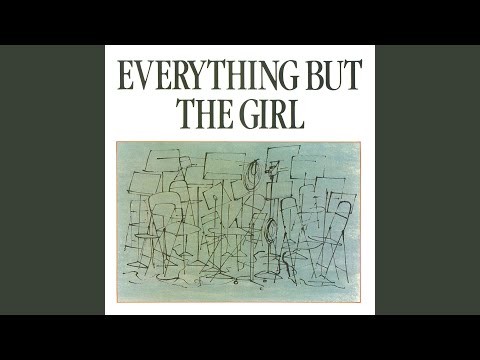
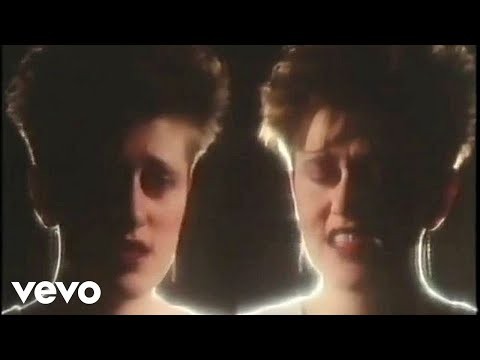
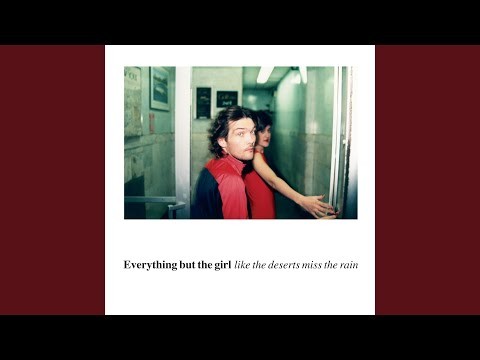
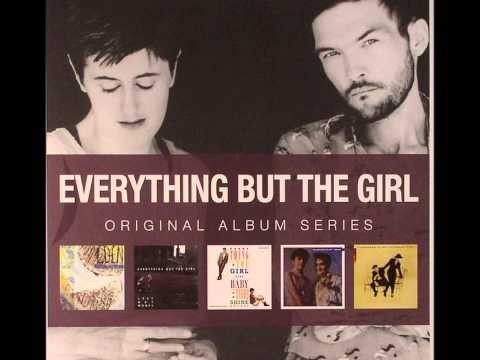
Everything but the Girl (often shortened EBTG) were an English musical duo, formed in Hull in 1982, consisting of lead singer and occasional guitarist Tracey Thorn and guitarist, keyboardist, and singer Ben Watt. Everything was perfect about the band "Everything but the Girl". Their emphasis on high quality seamlessly blended songs created an atmosphere anyone could enjoy no matter the mood. From toe tapping melody lines to emotional story lines, it's no surprise that they gained recognition by music critics all over the world. What's even better is that their concerts made such a remarkable impact as you were left wanting more every single time. Their style wholeheartedly embraced every kind of genre making them stand out amongst artists and musicians everywhere!
Everything but the Girl: From Indie-Folk to Drum and Bass
Every generation has that one artist that leaves an indelible mark on the music scene, giving birth to new concepts and sounds. For the millennials and Gen-Xers, Everything but the Girl is that artist. The band’s unapologetic combination of folk and electronica set it apart from the rest, earning them a fan base that stretches beyond the UK, where they hail from. In this post, we take a deep dive into Everything but the Girl’s biography, their best songs, music genre, some of their famous concerts, and a critic.
Formed in 1982, Everything but the Girl began as an indie-folk duo consisting of Tracey Thorn and Ben Watt. The duo’s music was heavily influenced by jazz and British folk. Everything but the Girl gained initial commercial success with its 1988 album, ‘Idlewild’. The album recorded massive sales, particularly in the US, with the lead single, ‘I Don’t Want to Talk About It', becoming a hit.
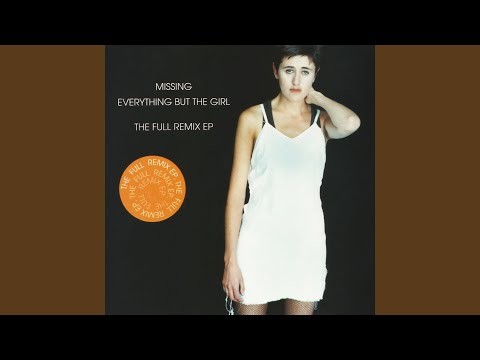
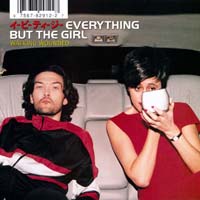
However, what marked Everything but the Girl’s musical archives was a change in their sound in the mid-1990s. Tracey Thorn and Ben Watt decided to blend their folk and jazz roots with electronica, particularly drum and bass. This sound reversal was evident in their 1996 album, ‘Walking Wounded’. The hit single, ‘Missing,’ recorded massive success, and the album won several awards, including the Ivor Novello Award for best dance single.
‘Temperamental,' released in 1999, marked Everything but the Girl’s journey into a much more mature sound. The album is a culmination of electronic, jazz, and folk, creating a unique soundscape that has been emulated by other artists worldwide. Tracks like ‘Blame’ and ‘Lullaby of Clubland’ have a melancholic feel that showcases the duo's storytelling ability.
Everything but the Girl's music genre is a fusion of indie-folk and electronica. Tracey Thorn’s smooth, soothing voice and the raw emotional threads running through each track make their sound unique. The band continues to inspire artists worldwide, with new artists constantly sampling their music.
Everything but the Girl's music has graced some of the world's largest stages and festivals. In 1998, the duo was a headline act that reached more than 2.5 million people at the Brazilian pop festival, ‘Rock in Rio’. However, their most iconic performance was at the 1996 Brit Awards, where they performed ‘Missing’ live. The performance has become a classic and remains one of the highest viewed on YouTube.
No discussion on Everything but the Girl's musical biography and best songs can be complete without a critic. The Guardian cited, The sound Everything but the Girl made in the mid-1990s was nothing short of revolutionary. On the other hand, The Independent newspaper in the UK noted in 2002 that, while most drum and bass music would end up collected dust in clubs, Everything but the Girl had managed to make it listenable to the public.
In conclusion, Everything but the Girl has left an indelible mark on the music scene. Their fusion of indie-folk and electronica and creation of the drum and bass genre remains an inspiration for artists worldwide. The duo's ability to take an unconventional path with their music and infuse emotion in their sound makes them stand out. Tracey Thorn and Ben Watt's contribution to music has earned them a place in the music hall of fame.
Everything but the Girl: From Indie-Folk to Drum and Bass
Every generation has that one artist that leaves an indelible mark on the music scene, giving birth to new concepts and sounds. For the millennials and Gen-Xers, Everything but the Girl is that artist. The band’s unapologetic combination of folk and electronica set it apart from the rest, earning them a fan base that stretches beyond the UK, where they hail from. In this post, we take a deep dive into Everything but the Girl’s biography, their best songs, music genre, some of their famous concerts, and a critic.
Formed in 1982, Everything but the Girl began as an indie-folk duo consisting of Tracey Thorn and Ben Watt. The duo’s music was heavily influenced by jazz and British folk. Everything but the Girl gained initial commercial success with its 1988 album, ‘Idlewild’. The album recorded massive sales, particularly in the US, with the lead single, ‘I Don’t Want to Talk About It', becoming a hit.
However, what marked Everything but the Girl’s musical archives was a change in their sound in the mid-1990s. Tracey Thorn and Ben Watt decided to blend their folk and jazz roots with electronica, particularly drum and bass. This sound reversal was evident in their 1996 album, ‘Walking Wounded’. The hit single, ‘Missing,’ recorded massive success, and the album won several awards, including the Ivor Novello Award for best dance single.
‘Temperamental,' released in 1999, marked Everything but the Girl’s journey into a much more mature sound. The album is a culmination of electronic, jazz, and folk, creating a unique soundscape that has been emulated by other artists worldwide. Tracks like ‘Blame’ and ‘Lullaby of Clubland’ have a melancholic feel that showcases the duo's storytelling ability.
Everything but the Girl's music genre is a fusion of indie-folk and electronica. Tracey Thorn’s smooth, soothing voice and the raw emotional threads running through each track make their sound unique. The band continues to inspire artists worldwide, with new artists constantly sampling their music.
Everything but the Girl's music has graced some of the world's largest stages and festivals. In 1998, the duo was a headline act that reached more than 2.5 million people at the Brazilian pop festival, ‘Rock in Rio’. However, their most iconic performance was at the 1996 Brit Awards, where they performed ‘Missing’ live. The performance has become a classic and remains one of the highest viewed on YouTube.
No discussion on Everything but the Girl's musical biography and best songs can be complete without a critic. The Guardian cited, The sound Everything but the Girl made in the mid-1990s was nothing short of revolutionary. On the other hand, The Independent newspaper in the UK noted in 2002 that, while most drum and bass music would end up collected dust in clubs, Everything but the Girl had managed to make it listenable to the public.
In conclusion, Everything but the Girl has left an indelible mark on the music scene. Their fusion of indie-folk and electronica and creation of the drum and bass genre remains an inspiration for artists worldwide. The duo's ability to take an unconventional path with their music and infuse emotion in their sound makes them stand out. Tracey Thorn and Ben Watt's contribution to music has earned them a place in the music hall of fame.