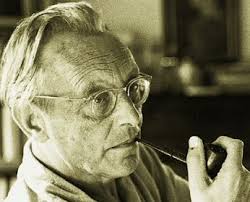
Carl Orff was a German composer and music educator who was born in Munich in 1895. His musical career was filled with experimentations, developments, and compositions that propelled him to be among the most recognized composers of all time. Carl Orff's musical style and influence garnered him numerous awards and accolades throughout his career. This article aims to tell the story of Carl Orff's musical biography, his beginnings, his most famous albums, his most famous songs, and his contribution to musical education.
Beginnings:
Carl Orff began his musical journey by studying the piano at a young age. He studied music, literature, and philosophy in several universities. In the early 1920s, he joined forces with educator Dorothee Günther, and together they developed a unique method of teaching music to children. They developed a music program that emphasized the use of rhythm and percussion as the building blocks of music. This method of teaching became known as the Orff Schulwerk, and it focused on the idea that any child could learn music regardless of their musical abilities.
Orff's Most Famous Albums:
One of Carl Orff's most famous albums is Carmina Burana, which he composed in 1936. This album consists of 24 medieval poems that have been set to music. It is known for its explosive and lively nature and consists of vocals, choir, and an orchestra. Another famous Orff album is Catulli Carmina, which he composed in 1943. This album is based on 30 poems of Catullus, and it includes themes about love and lust. The album features a full orchestra, solo vocalists, and a choir.
Orff's Most Famous Songs:
Carl Orff is known for composing several famous songs. One of his most famous songs is O Fortuna from the album Carmina Burana. This song has been used in numerous movies and commercials and has become a staple for many sporting events. Another famous song by Carl Orff is In Trutina, which is also from the album Carmina Burana. This song is a solo vocal and features a harp accompaniment that adds a gentle and delicate balance to the music.
Carl Orff's Musical Style and Influences:
Carl Orff was influenced by a variety of musical genres. He was fascinated by the rhythms of ancient music and the structures of Baroque music. His music is often characterized by percussive rhythms, simple melodies, and a strong emphasis on timbre. Carl Orff's musical style is often associated with the term primitivism, which emphasizes the power of rhythm and percussion.
In conclusion, Carl Orff's musical biography is rich with an abundance of accomplishments and innovations. His contribution to music education, especially to the Orff Schulwerk, has been a crucial component in teaching music to children globally. His music, recognized for its percussive nature and timbre, has been groundbreaking and continues to influence modern-day composers and musicians. Carl Orff's legacy will forever remain cemented in the music industry, and his music will continue to inspire and entertain generations to come.