Biography
The Abyssinians: history and sound
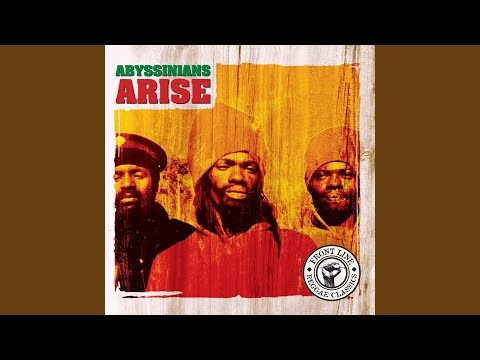
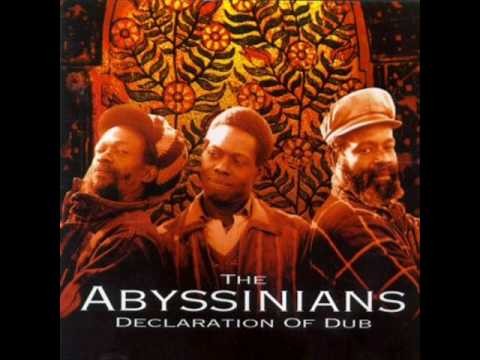
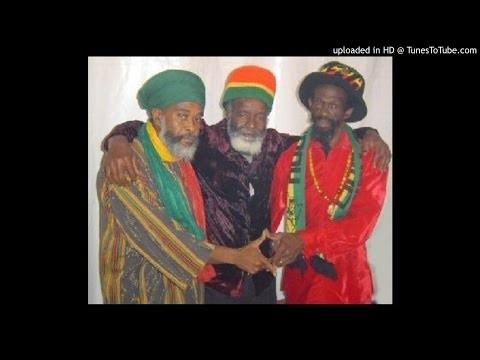
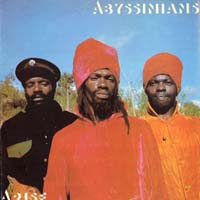
The Abyssinians are a Jamaican roots reggae group, famous for their close harmonies and promotion of the Rastafari movement in their lyrics.
The Abyssinians - A Journey Through Roots Reggae Music
For those that truly appreciate Reggae music, The Abyssinians are a name that needs no introduction. Known for their unique brand of Roots Reggae music, The Abyssinians have managed to captivate audiences around the world with their signature sound. Formed in Jamaica in the late 1960s, the group has a musical career spanning over five decades, establishing themselves as one of the most notable acts in Reggae music. In this article, we will delve deep into their musical biography, explore their best songs, their music genre, some of their famous concerts and conclude with a critic.
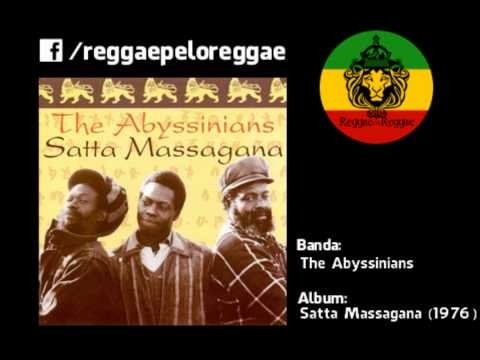
The Abyssinians are a Roots Reggae band that originated in Kingston, Jamaica, in the late 1960s. Formed by founding members, Bernard Collins, Donald Manning, and Linford Manning, the group made their debut in 1968 with the single Satta Massagana. The song, which has since become an iconic piece of Reggae music, was a hit in Jamaica and received widespread praise for its powerful lyrics and unique sound.
The group's music is primarily rooted in the Rastafarian faith, with their lyrics often addressing themes of social justice, spirituality, and African pride. The Abyssinians' sound is characterized by its smooth vocal harmonies, organic instrumentation, and powerful lyrics. Their music often incorporates elements of traditional African music, Nyahbinghi drumming, and Roots Reggae.
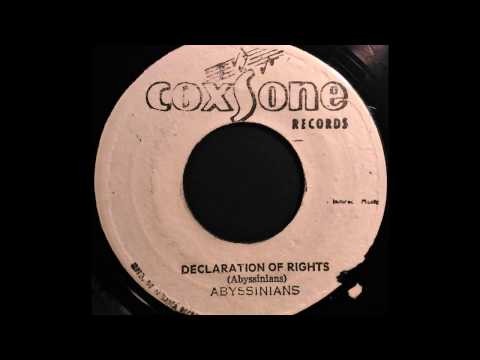
The Abyssinians are known for producing some of the most iconic songs in Reggae music history. Some of their greatest hits include Declaration of Rights, Jah Loves, and Forward On To Zion. Another notable track is Yim Mas Gan, which has been featured in many films and advertisements over the years, thus, increasing their popularity.
The Abyssinians are considered part of the Roots Reggae genre, which is characterized by its political and cultural messages, Afrocentric themes, and use of traditional instruments. This genre often deals with issues of social injustice, poverty, and inequality. Roots Reggae also incorporates aspects of Rastafarian culture, such as Nyahbinghi chants and drumming.
The Abyssinians have performed in some of the most famous concerts in Reggae music history. One such concert was the One Love Peace Concert in 1978, where they shared the stage with other Reggae icons, including Bob Marley, Peter Tosh, and Bunny Wailer. The concert was held to promote peace and unity in Jamaica amidst political unrest and violence. The Abyssinians' performance was met with rousing applause and helped to cement their place as one of the most significant acts in Reggae music.
In conclusion, The Abyssinians' musical journey has been nothing short of remarkable. Their unique sound, powerful lyrics, and dynamic performances have earned them a place in Reggae music history. Their powerful tracks, such as Satta Massagana, Declaration of Rights, and Forward On To Zion, will continue to inspire and touch the hearts of music lovers around the world. The Abyssinians have remained consistent throughout their career and still perform today, spreading their message of peace, love, and unity. Their unparalleled contribution to the Roots Reggae genre has made them a household name among Reggae music fans and a testament to the power of music as an expressive art form.
In conclusion, The Abyssinians' musical journey has been nothing short of remarkable. Their unique sound, powerful lyrics, and dynamic performances have earned them a place in Reggae music history. Their powerful tracks, such as Satta Massagana, Declaration of Rights, and Forward On To Zion, will continue to inspire and touch the hearts of music lovers around the world. The Abyssinians have remained consistent throughout their career and still perform today, spreading their message of peace, love, and unity. Their unparalleled contribution to the Roots Reggae genre has made them a household name among Reggae music fans and a testament to the power of music as an expressive art form.
The Abyssinians - A Journey Through Roots Reggae Music
For those that truly appreciate Reggae music, The Abyssinians are a name that needs no introduction. Known for their unique brand of Roots Reggae music, The Abyssinians have managed to captivate audiences around the world with their signature sound. Formed in Jamaica in the late 1960s, the group has a musical career spanning over five decades, establishing themselves as one of the most notable acts in Reggae music. In this article, we will delve deep into their musical biography, explore their best songs, their music genre, some of their famous concerts and conclude with a critic.
The Abyssinians are a Roots Reggae band that originated in Kingston, Jamaica, in the late 1960s. Formed by founding members, Bernard Collins, Donald Manning, and Linford Manning, the group made their debut in 1968 with the single Satta Massagana. The song, which has since become an iconic piece of Reggae music, was a hit in Jamaica and received widespread praise for its powerful lyrics and unique sound.
The group's music is primarily rooted in the Rastafarian faith, with their lyrics often addressing themes of social justice, spirituality, and African pride. The Abyssinians' sound is characterized by its smooth vocal harmonies, organic instrumentation, and powerful lyrics. Their music often incorporates elements of traditional African music, Nyahbinghi drumming, and Roots Reggae.
The Abyssinians are known for producing some of the most iconic songs in Reggae music history. Some of their greatest hits include Declaration of Rights, Jah Loves, and Forward On To Zion. Another notable track is Yim Mas Gan, which has been featured in many films and advertisements over the years, thus, increasing their popularity.
The Abyssinians are considered part of the Roots Reggae genre, which is characterized by its political and cultural messages, Afrocentric themes, and use of traditional instruments. This genre often deals with issues of social injustice, poverty, and inequality. Roots Reggae also incorporates aspects of Rastafarian culture, such as Nyahbinghi chants and drumming.
The Abyssinians have performed in some of the most famous concerts in Reggae music history. One such concert was the One Love Peace Concert in 1978, where they shared the stage with other Reggae icons, including Bob Marley, Peter Tosh, and Bunny Wailer. The concert was held to promote peace and unity in Jamaica amidst political unrest and violence. The Abyssinians' performance was met with rousing applause and helped to cement their place as one of the most significant acts in Reggae music.
In conclusion, The Abyssinians' musical journey has been nothing short of remarkable. Their unique sound, powerful lyrics, and dynamic performances have earned them a place in Reggae music history. Their powerful tracks, such as Satta Massagana, Declaration of Rights, and Forward On To Zion, will continue to inspire and touch the hearts of music lovers around the world. The Abyssinians have remained consistent throughout their career and still perform today, spreading their message of peace, love, and unity. Their unparalleled contribution to the Roots Reggae genre has made them a household name among Reggae music fans and a testament to the power of music as an expressive art form.
In conclusion, The Abyssinians' musical journey has been nothing short of remarkable. Their unique sound, powerful lyrics, and dynamic performances have earned them a place in Reggae music history. Their powerful tracks, such as Satta Massagana, Declaration of Rights, and Forward On To Zion, will continue to inspire and touch the hearts of music lovers around the world. The Abyssinians have remained consistent throughout their career and still perform today, spreading their message of peace, love, and unity. Their unparalleled contribution to the Roots Reggae genre has made them a household name among Reggae music fans and a testament to the power of music as an expressive art form.