Biography
Peter Tosh: history and sound
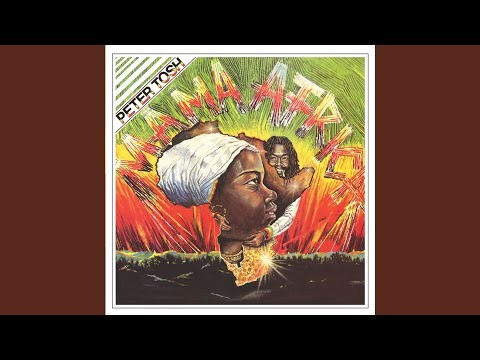
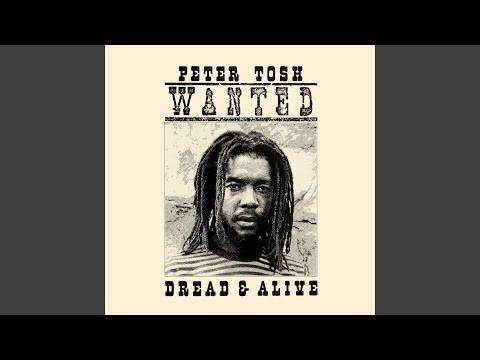
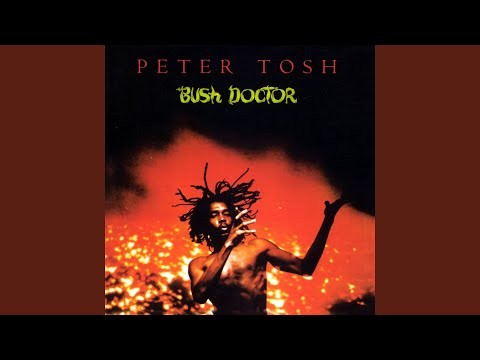
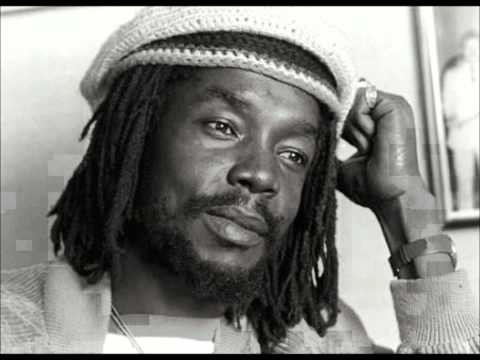
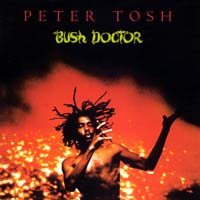
Peter Tosh, OM (born Winston Hubert McIntosh, 19 October 1944 – 11 September 1987) was a Jamaican reggae musician. Peter Tosh was a unique, passionate reggae Trenchtown artist and prolific songwriter. He introduced elements of traditional Jamaican music to the global reggae scene in the 60s and 70s. His use of captivating lyrical storytelling captured the attention and demands of new listeners as he painstakingly crafted timeless classic hits like No Sympathy, Legalize It, Equal Rights and Bush Doctor. His songs exhibited moments of intense rebellion or deep wit coupled with inspirations from Rastafarian faith undertones relatable to any listener regardless of background. Redefining his genres in some ways, Tosh is truly a force every music enthusiast should explore from enduring staples essential to any soundtrack to momentum defining roots style instrumentation that diversifies its contemporary successors today.
The Underrated Musical Genius: A Look Into the Life and Work of Peter Tosh
When it comes to reggae music, many listeners only know Bob Marley and his impressive collection of hits. But there’s another Jamaican musician who deserves just as much recognition: Peter Tosh. Tosh’s work was integral to the development of reggae, and his solo career showcased his musical prowess and political activism. In this article, we’ll take a closer look at Peter Tosh’s life and work, including his musical biography, genre, and best songs.
Peter Tosh was born in Jamaica in 1944 and began playing music professionally in the early 1960s as a founding member of The Wailers. Alongside Bob Marley and Bunny Wailer, Tosh helped create the unique sound that would come to define reggae music. After leaving The Wailers in the early ‘70s, Tosh embarked on a dynamic solo career that spanned over a decade. Throughout his career, Tosh’s music included elements of ska, rock, and reggae, and he often incorporated political messages into his lyrics.
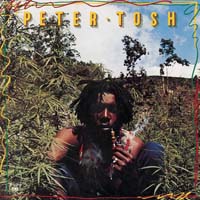
One of Tosh’s most well-known songs is Legalize It, an anthem for the legalization of marijuana that became associated with the Rastafari movement. The song’s upbeat rhythm and catchy chorus make it an easy favorite for many music listeners. Other notable songs from Tosh’s solo career include Get Up, Stand Up, Equal Rights, and Johnny B. Goode.
Despite his impressive musical talent, Peter Tosh’s life was not without struggles. Tosh was arrested multiple times for marijuana possession and was often outspoken about his beliefs in social justice and political change, which led to him being targeted by authorities. Tosh was tragically murdered in his home in 1987, but his legacy continues to live on.
In addition to his numerous hit songs, Tosh also played a number of famous concerts throughout his career. One of his most notable performances was at the One Love Peace Concert in 1978, which was attended by over 30,000 people, including Jamaican Prime Minister Michael Manley. During the performance, Tosh famously brought both Manley and opposition leader Edward Seaga onstage and encouraged them to shake hands, bringing a moment of unity to a divided country.
Overall, Tosh’s music can be categorized as a blend of reggae, rock, and political statement. Tosh used his music to speak out against oppression and call for social and political change, making him an important figure both in the history of reggae music and in the wider cultural zeitgeist.
In a world where Bob Marley often overshadows the rest of the reggae genre, it’s important to remember artists like Peter Tosh who contributed just as much to the development of the music. Tosh’s music was deeply impactful and politically conscious, making him a true pioneer of reggae and an important cultural icon. If you want to expand your knowledge of reggae music beyond the usual suspects, give Peter Tosh’s work a listen – you won’t be disappointed.
The Underrated Musical Genius: A Look Into the Life and Work of Peter Tosh
When it comes to reggae music, many listeners only know Bob Marley and his impressive collection of hits. But there’s another Jamaican musician who deserves just as much recognition: Peter Tosh. Tosh’s work was integral to the development of reggae, and his solo career showcased his musical prowess and political activism. In this article, we’ll take a closer look at Peter Tosh’s life and work, including his musical biography, genre, and best songs.
Peter Tosh was born in Jamaica in 1944 and began playing music professionally in the early 1960s as a founding member of The Wailers. Alongside Bob Marley and Bunny Wailer, Tosh helped create the unique sound that would come to define reggae music. After leaving The Wailers in the early ‘70s, Tosh embarked on a dynamic solo career that spanned over a decade. Throughout his career, Tosh’s music included elements of ska, rock, and reggae, and he often incorporated political messages into his lyrics.
One of Tosh’s most well-known songs is Legalize It, an anthem for the legalization of marijuana that became associated with the Rastafari movement. The song’s upbeat rhythm and catchy chorus make it an easy favorite for many music listeners. Other notable songs from Tosh’s solo career include Get Up, Stand Up, Equal Rights, and Johnny B. Goode.
Despite his impressive musical talent, Peter Tosh’s life was not without struggles. Tosh was arrested multiple times for marijuana possession and was often outspoken about his beliefs in social justice and political change, which led to him being targeted by authorities. Tosh was tragically murdered in his home in 1987, but his legacy continues to live on.
In addition to his numerous hit songs, Tosh also played a number of famous concerts throughout his career. One of his most notable performances was at the One Love Peace Concert in 1978, which was attended by over 30,000 people, including Jamaican Prime Minister Michael Manley. During the performance, Tosh famously brought both Manley and opposition leader Edward Seaga onstage and encouraged them to shake hands, bringing a moment of unity to a divided country.
Overall, Tosh’s music can be categorized as a blend of reggae, rock, and political statement. Tosh used his music to speak out against oppression and call for social and political change, making him an important figure both in the history of reggae music and in the wider cultural zeitgeist.
In a world where Bob Marley often overshadows the rest of the reggae genre, it’s important to remember artists like Peter Tosh who contributed just as much to the development of the music. Tosh’s music was deeply impactful and politically conscious, making him a true pioneer of reggae and an important cultural icon. If you want to expand your knowledge of reggae music beyond the usual suspects, give Peter Tosh’s work a listen – you won’t be disappointed.