Biography
Schoolly D: history and sound
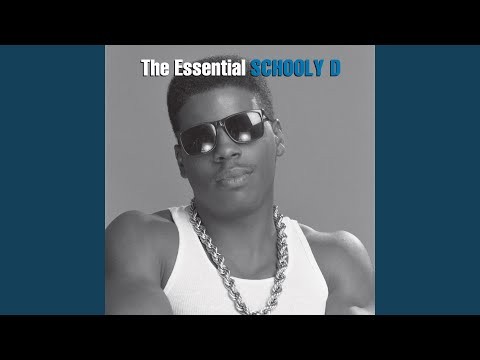
Jesse B. Weaver Jr. (born June 22, 1962), better known by the stage name Schoolly D (sometimes spelled Schooly D), is an American rapper from Philadelphia, Pennsylvania.
The Untold Story of Schoolly D - A Pioneer in Gangsta Rap
Do you love rap? Do you consider yourself to be a true hip-hop head? If so, then you definitely know about Schoolly D. This Philadelphia-based rapper was one of the pioneers of gangsta rap, a subgenre of rap that emerged in the late 80s and early 90s. Schoolly D's music was different from mainstream rap at that time and he was the one who changed the game with his edgy style and raw lyrics. In this article, we will take a closer look at Schoolly D's musical biography, his best songs, music genre, and even a critique on his performances.
Musical Biography: Schoolly D's real name is Jesse B. Weaver Jr. He was born on June 22, 1962, in Philadelphia, Pennsylvania. He grew up in a rough neighborhood and started rapping at the age of 13. Schoolly D worked as a disc jockey and started his own music label called Schoolly D Records. In 1985, he released his first single P.S.K. What Does It Mean? which stands for Park Side Killers, the name of a gang in his neighborhood of Philadelphia. This song became an instant hit and made Schoolly D an underground sensation.
Music Genre: Schoolly D is known for being the godfather of gangsta rap, a subgenre of rap that emerged in the late 80s and early 90s. His music is characterized by its raw and edgy style, with a focus on street life, drugs, and violence. He was one of the first rappers to use profanity in his music, and his style has influenced many artists over the years.
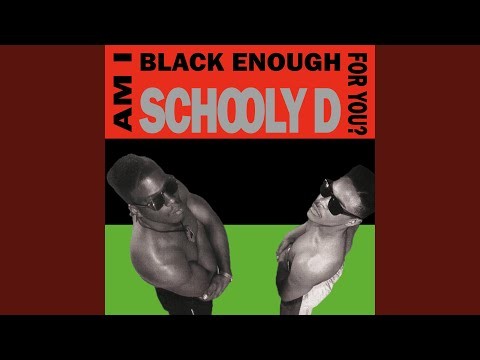
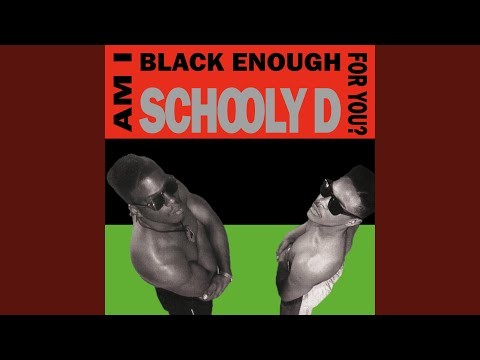
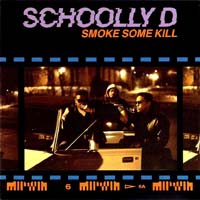
Best Songs: Schoolly D's music career spans over three decades, and he has released over a dozen albums. Here are some of his best and most popular songs: P.S.K. What Does It Mean?, Saturday Night, King of New York, Gucci Time, Where'd You Get That Funk From?, Am I Black Enough For You?, and Smoke Some Kill. Each of these songs showcases Schoolly D's trademark style and continues to be a source of inspiration for up-and-coming rappers.
Famous Concerts: Schoolly D has performed in concerts all over the world, but some of his most memorable performances were in his hometown of Philadelphia. In the mid-80s, he performed at the infamous block parties that were organized by DJ Jazzy Jeff and The Fresh Prince (Will Smith). These block parties attracted thousands of people and became the blueprint for the modern-day music festival. Schoolly D's performances at these block parties cemented him as one of the pioneers of rap, and helped to spread the word about his music to a wider audience.
Critique: Schoolly D's music has been both praised and criticized over the years. Some see him as a trailblazer who opened the doors for other artists to explore similar themes in their music, while others see him as a negative influence on society, glorifying drugs and violence. However, one thing that cannot be denied is the impact that Schoolly D's music has had on the rap industry. His style may not be for everyone, but those who appreciate his raw and unapologetic approach to rap music will always hold him in high regard.
Schoolly D's influence on hip-hop cannot be overstated. He was one of the first rappers to explore dark, gritty themes in his music, and his pioneering work laid the foundation for the gangsta rap genre. Despite the criticism, his music continues to inspire and influence new generations of rappers. Schoolly D's legacy in hip-hop will continue to live on, reminding us of the importance of staying true to our roots and never being afraid to push boundaries.
The Untold Story of Schoolly D - A Pioneer in Gangsta Rap
Do you love rap? Do you consider yourself to be a true hip-hop head? If so, then you definitely know about Schoolly D. This Philadelphia-based rapper was one of the pioneers of gangsta rap, a subgenre of rap that emerged in the late 80s and early 90s. Schoolly D's music was different from mainstream rap at that time and he was the one who changed the game with his edgy style and raw lyrics. In this article, we will take a closer look at Schoolly D's musical biography, his best songs, music genre, and even a critique on his performances.
Musical Biography: Schoolly D's real name is Jesse B. Weaver Jr. He was born on June 22, 1962, in Philadelphia, Pennsylvania. He grew up in a rough neighborhood and started rapping at the age of 13. Schoolly D worked as a disc jockey and started his own music label called Schoolly D Records. In 1985, he released his first single P.S.K. What Does It Mean? which stands for Park Side Killers, the name of a gang in his neighborhood of Philadelphia. This song became an instant hit and made Schoolly D an underground sensation.
Music Genre: Schoolly D is known for being the godfather of gangsta rap, a subgenre of rap that emerged in the late 80s and early 90s. His music is characterized by its raw and edgy style, with a focus on street life, drugs, and violence. He was one of the first rappers to use profanity in his music, and his style has influenced many artists over the years.
Best Songs: Schoolly D's music career spans over three decades, and he has released over a dozen albums. Here are some of his best and most popular songs: P.S.K. What Does It Mean?, Saturday Night, King of New York, Gucci Time, Where'd You Get That Funk From?, Am I Black Enough For You?, and Smoke Some Kill. Each of these songs showcases Schoolly D's trademark style and continues to be a source of inspiration for up-and-coming rappers.
Famous Concerts: Schoolly D has performed in concerts all over the world, but some of his most memorable performances were in his hometown of Philadelphia. In the mid-80s, he performed at the infamous block parties that were organized by DJ Jazzy Jeff and The Fresh Prince (Will Smith). These block parties attracted thousands of people and became the blueprint for the modern-day music festival. Schoolly D's performances at these block parties cemented him as one of the pioneers of rap, and helped to spread the word about his music to a wider audience.
Critique: Schoolly D's music has been both praised and criticized over the years. Some see him as a trailblazer who opened the doors for other artists to explore similar themes in their music, while others see him as a negative influence on society, glorifying drugs and violence. However, one thing that cannot be denied is the impact that Schoolly D's music has had on the rap industry. His style may not be for everyone, but those who appreciate his raw and unapologetic approach to rap music will always hold him in high regard.
Schoolly D's influence on hip-hop cannot be overstated. He was one of the first rappers to explore dark, gritty themes in his music, and his pioneering work laid the foundation for the gangsta rap genre. Despite the criticism, his music continues to inspire and influence new generations of rappers. Schoolly D's legacy in hip-hop will continue to live on, reminding us of the importance of staying true to our roots and never being afraid to push boundaries.