Biography
Dave Holland: history and sound
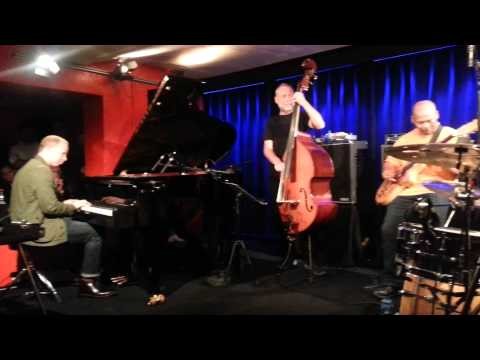
Dave Holland (born October 1, 1946) is an English jazz double bassist, composer and bandleader who has been performing and recording for five decades.
The Enigmatic Artistry of Dave Holland: A Musical Biography and Critique
Dave Holland is one of the most versatile and influential jazz musicians of our time. From the haunting ballads to the fiery improvisations, his music never fails to captivate and inspire. In this blog post, we will delve deep into the enigmatic artistry of Dave Holland, exploring his life and career, his musical style and genre, his best songs, famous concerts, and a critique of his work.
Dave Holland was born on October 1, 1946, in Wolverhampton, England. He began playing the upright bass at an early age, and by the age of 18, he had become a sought-after bassist in the London jazz scene. In 1968, he moved to New York City and started playing with various jazz legends, including Miles Davis, Herbie Hancock, and Chick Corea.
Throughout his career, Holland has been known for his adeptness at blending various musical styles and influences into his work. His music incorporates elements of post-bop, free jazz, fusion, and world music, resulting in a sound that is uniquely his own. His signature style is characterized by complex harmonies, driving rhythms, and powerful bass lines that often serve as the foundation for his compositions.
Some of Holland's best-known songs include Conference of the Birds, which is a tribute to Charlie Parker, and Prime Directive, a fusion of jazz and rock that showcases his electric bass playing skills. Another iconic track is Jumpin' In, a hard bop number that highlights Holland's virtuosic improvisational abilities.
Holland's most famous concerts include the 1969 Miles Davis Quintet performances at the Fillmore East, which have been hailed as some of the most significant and groundbreaking concerts in jazz history. He has also played at the Newport Jazz Festival, the Montreux Jazz Festival, and the North Sea Jazz Festival, among others.
A critical analysis of Holland's work would reveal that his music embodies a sense of emotional depth and complexity that transcends genre and style. His compositions are often thematically rich and thought-provoking, reflecting his passion for exploring the human condition and the world around us. Moreover, his collaborative spirit and his ability to bring out the best in his fellow musicians have earned him a reputation as one of the most respected and beloved figures in the jazz community.
In conclusion, Dave Holland's artistry is a testament to his innate musical talent, his dedication to his craft, and his unbridled creativity. From his early beginnings in London to his illustrious career in the United States, he has left an indelible mark on jazz music that has inspired countless musicians and music lovers worldwide. Whether you are a longtime fan or a newcomer to his music, there is no denying the power and beauty of Holland's work. So, take a moment to immerse yourself in his sonic universe and discover the magic of this extraordinary artist.
The Enigmatic Artistry of Dave Holland: A Musical Biography and Critique
Dave Holland is one of the most versatile and influential jazz musicians of our time. From the haunting ballads to the fiery improvisations, his music never fails to captivate and inspire. In this blog post, we will delve deep into the enigmatic artistry of Dave Holland, exploring his life and career, his musical style and genre, his best songs, famous concerts, and a critique of his work.
Dave Holland was born on October 1, 1946, in Wolverhampton, England. He began playing the upright bass at an early age, and by the age of 18, he had become a sought-after bassist in the London jazz scene. In 1968, he moved to New York City and started playing with various jazz legends, including Miles Davis, Herbie Hancock, and Chick Corea.
Throughout his career, Holland has been known for his adeptness at blending various musical styles and influences into his work. His music incorporates elements of post-bop, free jazz, fusion, and world music, resulting in a sound that is uniquely his own. His signature style is characterized by complex harmonies, driving rhythms, and powerful bass lines that often serve as the foundation for his compositions.
Some of Holland's best-known songs include Conference of the Birds, which is a tribute to Charlie Parker, and Prime Directive, a fusion of jazz and rock that showcases his electric bass playing skills. Another iconic track is Jumpin' In, a hard bop number that highlights Holland's virtuosic improvisational abilities.
Holland's most famous concerts include the 1969 Miles Davis Quintet performances at the Fillmore East, which have been hailed as some of the most significant and groundbreaking concerts in jazz history. He has also played at the Newport Jazz Festival, the Montreux Jazz Festival, and the North Sea Jazz Festival, among others.
A critical analysis of Holland's work would reveal that his music embodies a sense of emotional depth and complexity that transcends genre and style. His compositions are often thematically rich and thought-provoking, reflecting his passion for exploring the human condition and the world around us. Moreover, his collaborative spirit and his ability to bring out the best in his fellow musicians have earned him a reputation as one of the most respected and beloved figures in the jazz community.
In conclusion, Dave Holland's artistry is a testament to his innate musical talent, his dedication to his craft, and his unbridled creativity. From his early beginnings in London to his illustrious career in the United States, he has left an indelible mark on jazz music that has inspired countless musicians and music lovers worldwide. Whether you are a longtime fan or a newcomer to his music, there is no denying the power and beauty of Holland's work. So, take a moment to immerse yourself in his sonic universe and discover the magic of this extraordinary artist.