Biography
Curved Air: history and sound
Curved Air are a pioneering British progressive rock group formed in 1970 by musicians from mixed artistic backgrounds, including classical, folk, and electronic sound.
Curved Air: The Pioneers of Progressive Rock Music
Curved Air, the British Progressive Rock band, formed in the early 1970s during the height of the genre's popularity. This band is best known for their experimental music, blending classical music, folk music, electronic, and rock in their sound. Curved Air went on to release several successful albums and even performed at the inaugural Glastonbury Festival in 1970. In this blog post, we will dive into Curved Air's musical biography, their best songs, music genre, famous concerts, and critic's reviews.
Curved Air's music is an amalgamation of several genres. The band's founders, Darryl Way and Francis Monkman, had classical music backgrounds while the other members, vocalists, violinists, and guitarists, brought in influences from folk and rock. The band's influences range from Stravinsky, Mahler, Tchaikovsky, and even Jimi Hendrix. This fusion of genres created a unique sound that was experimental and revolutionary at the time.
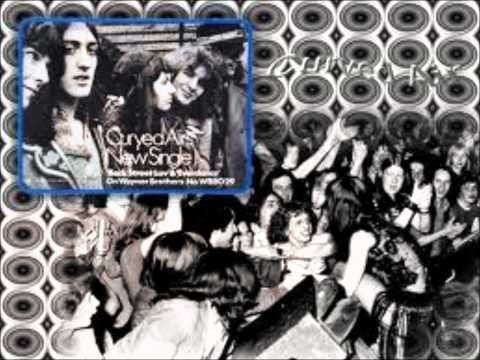
One of Curved Air's most popular songs is Backstreet Luv from their second album. Vocalist Sonja Kristina's powerful voice soars over the band's jazzy rhythms and musical experimentation. Vivaldi from their third album is another classic Curved Air song, which showcases their use of classical music influence and angelic vocals.
Curved Air's music genre can be classified as Progressive Rock, but it's much more than that. The band's progressive music transcends the boundaries of rock, incorporating classical and folk music elements, making their sound uniquely their own. The band's improvisation and experimentation during their live performances contributed to the genre's evolution.
Curved Air's live performances were legendary, and they are still remembered for their performances at the Isle Of Wight Festival in 1970 and the Glastonbury Festival in 1971. The British music press of the time praised the band's live performances, and critics noted their improvisation and experimentation during concerts.
In his review of Curved Air's 1972 concert in Glasgow, Richard Williams of Melody Maker noted, The propulsion is constant, but the arrangements reach out far beyond the traditions of rock, into the sphere of art music. Williams praised the band for its improvisation and their ability to capture the audience's attention, which made them a favorite among progressive rock fans.
Curved Air's pioneering music has left an indelible impression on music history. The band's experimental and improvisational style was a fresh take on rock music of the time. Their unique sound is a testament to their ability to fuse different genres and create something innovative. Their influence can be seen in progressive rock bands that came after them, like Yes, Genesis, and King Crimson. Curved Air's legacy is enduring, and their music is still an inspiration to music lovers worldwide.
Curved Air: The Pioneers of Progressive Rock Music
Curved Air, the British Progressive Rock band, formed in the early 1970s during the height of the genre's popularity. This band is best known for their experimental music, blending classical music, folk music, electronic, and rock in their sound. Curved Air went on to release several successful albums and even performed at the inaugural Glastonbury Festival in 1970. In this blog post, we will dive into Curved Air's musical biography, their best songs, music genre, famous concerts, and critic's reviews.
Curved Air's music is an amalgamation of several genres. The band's founders, Darryl Way and Francis Monkman, had classical music backgrounds while the other members, vocalists, violinists, and guitarists, brought in influences from folk and rock. The band's influences range from Stravinsky, Mahler, Tchaikovsky, and even Jimi Hendrix. This fusion of genres created a unique sound that was experimental and revolutionary at the time.
One of Curved Air's most popular songs is Backstreet Luv from their second album. Vocalist Sonja Kristina's powerful voice soars over the band's jazzy rhythms and musical experimentation. Vivaldi from their third album is another classic Curved Air song, which showcases their use of classical music influence and angelic vocals.
Curved Air's music genre can be classified as Progressive Rock, but it's much more than that. The band's progressive music transcends the boundaries of rock, incorporating classical and folk music elements, making their sound uniquely their own. The band's improvisation and experimentation during their live performances contributed to the genre's evolution.
Curved Air's live performances were legendary, and they are still remembered for their performances at the Isle Of Wight Festival in 1970 and the Glastonbury Festival in 1971. The British music press of the time praised the band's live performances, and critics noted their improvisation and experimentation during concerts.
In his review of Curved Air's 1972 concert in Glasgow, Richard Williams of Melody Maker noted, The propulsion is constant, but the arrangements reach out far beyond the traditions of rock, into the sphere of art music. Williams praised the band for its improvisation and their ability to capture the audience's attention, which made them a favorite among progressive rock fans.
Curved Air's pioneering music has left an indelible impression on music history. The band's experimental and improvisational style was a fresh take on rock music of the time. Their unique sound is a testament to their ability to fuse different genres and create something innovative. Their influence can be seen in progressive rock bands that came after them, like Yes, Genesis, and King Crimson. Curved Air's legacy is enduring, and their music is still an inspiration to music lovers worldwide.