Biografia
Mike Dunn: storia e stile musicale
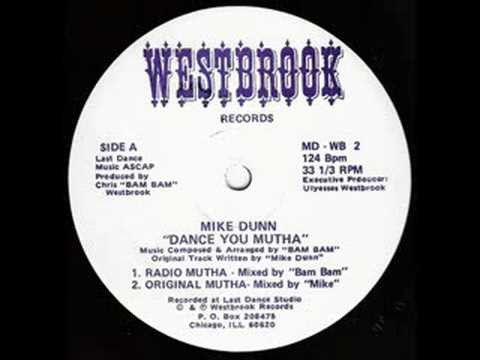
Mike Dunn emerged from Chicago, Illinois in the late?1980s, a moment when drum machines, low-cost samplers, and the squelch of the Roland TB-303 collided with a raw, DIY ethos. While many artists helped define house music, Mike Dunn became synonymous with the acid strain: hypnotic basslines, resonant filter sweeps, and a stripped-back rhythmic grid that felt both futuristic and deeply physical. In sweaty basements, on pirate radio, and across a fast-growing network of independent labels, the project’s tracks moved with a functional simplicity that invited dancers into long, trance-like passages—music designed for the floor first and everything else second. Signature moments include “Dance You Mutha”, “God Made Me Phunky”; co?founded Warehouse Records. These records capture the essence of acid house: patterns programmed by ear, the 303 driven into self-oscillation, and an arranger’s ear for tension and release. Arriving on influential imprints—Trax, DJ International, or kindred European labels—the releases spread quickly via DJ mixtapes and word of mouth. For many listeners outside the Midwest, these were portal records: the needle drop where house suddenly sounded alien and ecstatic all at once. The tracks did not need elaborate chord changes or grandiose breakdowns; the performance lay in the hands that rode the cutoff and resonance in real time. Mike Dunn's approach also helped encode a studio methodology. Producers learned to clock the TR-808 or TR-909 against sequenced 303 lines, to embrace happy accidents, and to let the groove breathe. In a club mix, small gestures count—an opened hi-hat here, a clipped clap there—and Mike Dunn understood that micro-dynamics create macro energy. The resulting records became fixtures for resident DJs, particularly in rooms where Ron Hardy, Frankie Knuckles, and their descendants pushed systems hard enough to make the filters bloom. The broader impact was cultural as much as musical. Mike Dunn’s cuts circulated through the UK during the so?called Summer of Love, seeding all manner of mutations—rave, breakbeat, ambient house—and teaching a generation of producers that minimal ingredients could yield maximal feeling. Dunn’s hybrid of rap cadence and jacking grooves anticipated hip?house and kept the 303 in vibrant conversation with the mic. In artist interviews and label notes, one hears the same refrain: acid house is less a specific sound than a practice, a willingness to explore feedback, phase, and pulse until the room tips into euphoria. A Chosen Few mainstay, he carried the Chicago story forward with DJ stamina and studio grit across decades. Looking back, what stands out is the durability of the ideas. The same TB?303 riffs that once sounded like transmissions from a parallel dance universe now feel timeless—templates that contemporary artists still rework in tooly new shapes. For DJs, these tracks remain reliable mixing anchors, equally comfortable in warm?up sets and peak?hour slots. For listeners, they are artifacts of a grassroots movement whose values—community, experimentation, inclusivity—continue to guide club culture. In recent years, reassessments of early house history have only sharpened appreciation for Mike Dunn. Archival reissues, oral histories, and festival sets dedicated to the classic Chicago sound remind audiences that, beneath every new synthesis plug?in and pristine digital workflow, the core lesson endures: a simple idea, performed with conviction, can move a crowd. Mike Dunn proved that with a handful of machines, a crate of drum patterns, and a fearless ear, you can sketch an entire world on a dance floor—a world that dancers still enter the moment that unmistakable 303 starts to sing.