Biografia
Gazebo: storia e stile musicale
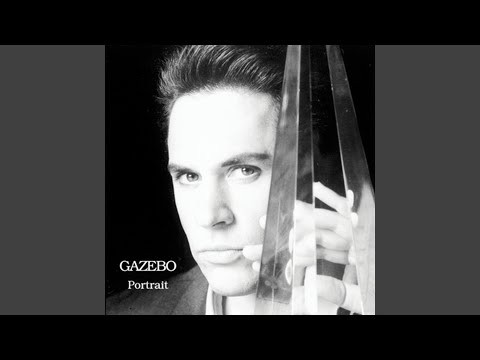
Gazebo emerged from Rome, Italy during the early 1980s, when synthesizers, drum machines, and affordable recording technology converged to spark what became known as Italo Disco. As a genre, Italo Disco represented a uniquely European response to the disco boom of the 1970s, trading orchestral arrangements for sequencers and vocoders, and shifting the emphasis toward synthetic textures and catchy hooks. Gazebo quickly established themselves with songs like “I Like Chopin” and “Masterpiece”, which captured the melodic sensibility and futuristic gloss that defined the scene. The music of Gazebo typically combined driving four?on?the?floor rhythms with sweeping synthesizer leads, simple but effective basslines, and memorable choruses sung in accented English. This formula resonated with audiences not only in Italy but across Europe, Japan, and eventually the United States, where DJs in clubs from New York to Chicago embraced imported 12?inch singles. In many ways, Gazebo exemplified the do?it?yourself ethos of the time: productions were often recorded quickly, with limited budgets, but the results carried a charm and immediacy that professional studio polish sometimes lacked. Gazebo’s lush arrangements epitomized Italo Disco’s melodic romanticism. Their tracks spread through radio and dancefloors, contributing to a wave of independent labels such as Baby Records, Discomagic, and ZYX Music, which specialized in licensing and distributing Italo Disco internationally. As these records circulated, they influenced not only club culture but also the development of genres like house and techno. In Chicago, early house DJs frequently mixed Italo Disco records into their sets, appreciating the compatibility of drum machine programming and extended instrumental breaks. Beyond the dancefloor, Gazebo’s image, album art, and stage presence reflected the flamboyant aesthetics of the era. Bright colors, futuristic themes, and stylized fashion helped reinforce the escapist quality of the music. Lyrically, many songs dealt with love, nightlife, and fantasy, often delivered with an earnestness that only increased their charm. The accessibility of the melodies meant that even casual listeners could connect instantly, while DJs valued the extended mixes for their energy and versatility in a club environment. Today, his records are reissued worldwide and remain staples of retro playlists. Even decades later, Gazebo remains a touchstone for collectors, DJs, and new generations of producers who continue to mine the Italo Disco catalogue for inspiration. Tracks originally pressed in small runs have become highly sought after, commanding high prices on the collector’s market, while reissue labels and digital platforms have helped bring this music to wider audiences. Festivals and club nights dedicated to the sound regularly celebrate the contribution of artists like Gazebo, underscoring the genre’s enduring influence. In summary, Gazebo stands as one of the key figures of Italo Disco. Their songs combined a sense of playful futurism with dancefloor functionality, and their influence can still be heard in modern electronic pop, synthwave, and house music. What began as local experiments in Rome, Italy became global cultural exports, ensuring that the legacy of Gazebo and their peers will continue to resonate wherever people gather to dance.