Happy New Year, music lovers! As we step into 2025, there’s a lot to be excited about—new albums, festivals, and the endless possibilities of sound. But there’s also a shadow looming over this brave new musical landscape: the rise of artificial intelligence.
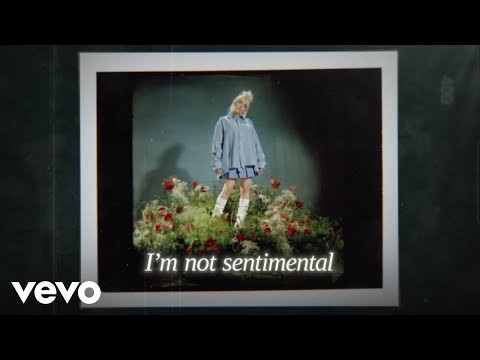
Even some of the biggest names in the industry are sounding the alarm. Billie Eilish and Nicki Minaj, along with 200 other artists, have called for an end to the “predatory” use of AI in music. Their concerns highlight a growing tension between technological innovation and the preservation of artistry. AI is everywhere, from personalized playlists to algorithm-driven music recommendations. And while technology has always shaped music (hello, synthesizers and drum machines), 2025 feels like the year where AI threatens to take over entirely.
Spotify and the Algorithmic Takeover
Take Spotify, for example. Once celebrated for its human-curated playlists like RapCaviar and Indie Pop, the platform has quietly shifted some of these editorial gems to algorithm-powered versions. Even fan-favorite playlists like Housewerk now rely on AI to personalize their selections. Sure, AI can churn out recommendations tailored to your previous listens, but here’s the problem: it’s all too predictable. Spotify’s push for its Discovery Mode takes this a step further. Labels and artists can submit tracks for extra algorithmic exposure—at the cost of reduced royalties. These songs only appear during autoplay sessions or radio-like playlists, meaning Spotify has a financial incentive to steer us toward them instead of genuinely curated content. The result? Music discovery that feels more like a sales pitch than a journey of exploration.
The Boomer’s Lament: Bring Back the Surprise
Call me a ’90s boomer, but I don’t want my playlists to be a mirror of my past tastes. I want music that challenges me, surprises me, and yes, sometimes confuses me. That’s the magic of human curation—whether it’s a DJ spinning tracks at 2 a.m. or a playlist handpicked by someone who just gets the vibe. Algorithms, on the other hand, are inherently risk-averse. They’re designed to keep you engaged, not to push boundaries. If you loved lo-fi beats last year, guess what? The algorithm will serve you more of the same, ad nauseam. But the tracks that truly shape us—the ones that make us pause and say, What is this?!—those often come from stepping outside the algorithm’s comfort zone.
The Risk of Artistic Stagnation
This isn’t just about listeners. The over-optimization of music discovery risks stifling creativity across the industry. Artists might start tailoring their sound to fit algorithmic trends, while smaller acts struggle to break through without paying for algorithmic boosts. It’s a system that favors metrics over music, quantity over quality. In the ’90s, we didn’t have the luxury of skipping every song that didn’t immediately click. We’d buy an album, listen to it front to back, and sometimes grow to love the tracks we initially overlooked. That’s the kind of relationship with music we’re losing in the age of AI—a deeper, more meaningful connection to sound.
Can AI and Human Curation Coexist?
This isn’t to say AI is all bad. It can help democratize access, giving more artists a chance to be heard. But it should be a tool, not the driver. Platforms like Spotify must strike a balance between the efficiency of algorithms and the soul of human curation. As we navigate 2025, let’s not forget the power of the unexpected. Put down the personalized playlists once in a while. Tune into a random radio station. Let a friend recommend an album. And most importantly, demand more from the platforms that shape our listening experiences. Because music isn’t just data points and metrics—it’s a feeling, a story, a surprise. Let’s not let AI take that away. Here’s to a year full of unexpected musical discoveries.
Even some of the biggest names in the industry are sounding the alarm. Billie Eilish and Nicki Minaj, along with 200 other artists, have called for an end to the “predatory” use of AI in music. Their concerns highlight a growing tension between technological innovation and the preservation of artistry. AI is everywhere, from personalized playlists to algorithm-driven music recommendations. And while technology has always shaped music (hello, synthesizers and drum machines), 2025 feels like the year where AI threatens to take over entirely.
Spotify and the Algorithmic Takeover
Take Spotify, for example. Once celebrated for its human-curated playlists like RapCaviar and Indie Pop, the platform has quietly shifted some of these editorial gems to algorithm-powered versions. Even fan-favorite playlists like Housewerk now rely on AI to personalize their selections. Sure, AI can churn out recommendations tailored to your previous listens, but here’s the problem: it’s all too predictable. Spotify’s push for its Discovery Mode takes this a step further. Labels and artists can submit tracks for extra algorithmic exposure—at the cost of reduced royalties. These songs only appear during autoplay sessions or radio-like playlists, meaning Spotify has a financial incentive to steer us toward them instead of genuinely curated content. The result? Music discovery that feels more like a sales pitch than a journey of exploration.
The Boomer’s Lament: Bring Back the Surprise
Call me a ’90s boomer, but I don’t want my playlists to be a mirror of my past tastes. I want music that challenges me, surprises me, and yes, sometimes confuses me. That’s the magic of human curation—whether it’s a DJ spinning tracks at 2 a.m. or a playlist handpicked by someone who just gets the vibe. Algorithms, on the other hand, are inherently risk-averse. They’re designed to keep you engaged, not to push boundaries. If you loved lo-fi beats last year, guess what? The algorithm will serve you more of the same, ad nauseam. But the tracks that truly shape us—the ones that make us pause and say, What is this?!—those often come from stepping outside the algorithm’s comfort zone.
The Risk of Artistic Stagnation
This isn’t just about listeners. The over-optimization of music discovery risks stifling creativity across the industry. Artists might start tailoring their sound to fit algorithmic trends, while smaller acts struggle to break through without paying for algorithmic boosts. It’s a system that favors metrics over music, quantity over quality. In the ’90s, we didn’t have the luxury of skipping every song that didn’t immediately click. We’d buy an album, listen to it front to back, and sometimes grow to love the tracks we initially overlooked. That’s the kind of relationship with music we’re losing in the age of AI—a deeper, more meaningful connection to sound.
Can AI and Human Curation Coexist?
This isn’t to say AI is all bad. It can help democratize access, giving more artists a chance to be heard. But it should be a tool, not the driver. Platforms like Spotify must strike a balance between the efficiency of algorithms and the soul of human curation. As we navigate 2025, let’s not forget the power of the unexpected. Put down the personalized playlists once in a while. Tune into a random radio station. Let a friend recommend an album. And most importantly, demand more from the platforms that shape our listening experiences. Because music isn’t just data points and metrics—it’s a feeling, a story, a surprise. Let’s not let AI take that away. Here’s to a year full of unexpected musical discoveries.