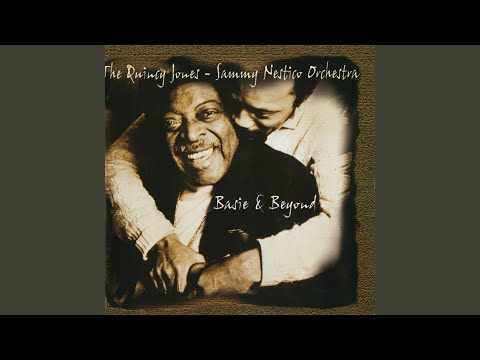
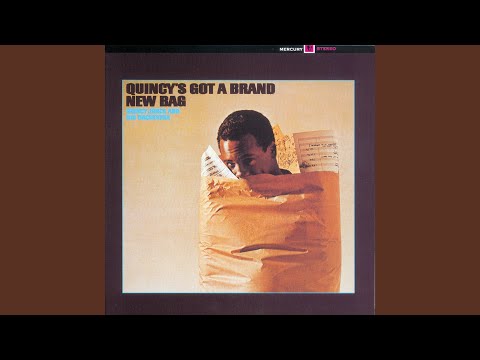
Quincy Jones is more than just a name; it's a symbol of innovation, depth, and artistry in the world of music. For jazz fans and music enthusiasts alike, understanding his influence is akin to tracing the evolution of modern music. Over an astonishing 91 years, Jones has worn many hats—musician, arranger, composer, record executive, and more. But what makes his legacy so enduring? This blog post explores the life and achievements of Quincy Jones, offering insights into how one man could accomplish so much across so many domains.
From Chicago Streets to Global Stages
Jones's story begins in the harsh environment of 1930s Chicago, where he faced both poverty and violence at a young age. This tumultuous upbringing shaped his character and perhaps fueled his relentless drive. Not many know that he was stabbed through the hand at age seven, an event that marked the precariousness of his early life. Despite these challenges, or perhaps because of them, Jones emerged as a prodigiously talented musician who would go on to change the course of music history. Even as a college student, Quincy Jones was already making waves. He was invited to work with Lionel Hampton, a well-known vibraphonist who had formed his own orchestra. This early experience exposed Jones to the evolving landscape of music, from the end of the swing era to the rise of bebop and rhythm and blues. It was here that he learned the importance of staying adaptable, a lesson he would carry throughout his career.
Master of Many Genres
Jones's versatility allowed him to work across genres with ease. When he moved to New York, he became a freelance arranger, collaborating with big names like Count Basie and Gene Krupa. He even arranged for artists like Clifford Brown and Cannonball Adderley, proving his ability to adapt to jazz's new wave. This adaptability was crucial, allowing Jones to transition between jazz, pop, and even film scoring effortlessly. In the late 1950s, Jones transitioned from arranger to recording artist, forming his own 18-piece big band in Europe. While this venture was critically acclaimed, it was financially unsustainable. Realizing the need to understand both music and the music business, Jones took a job at Mercury Records. Here, his breakthrough came with Lesley Gore's "It's My Party," showcasing his knack for turning songs into hits. Despite the apparent contrast between his complex jazz albums and teen pop hits, Jones managed to bridge the two worlds. His albums like "The Quintessence" and "Big Band Bossa Nova" display this fusion beautifully. He managed to incorporate Latin-American rhythms and sophisticated horn arrangements into pop music, making it both accessible and innovative.
Film Scoring Triumphs
Jones's venture into film scoring began with Sidney Lumet's "The Pawnbroker" and reached new heights with "In Cold Blood." Despite facing racism and institutional resistance, Jones delivered a haunting score that earned him an Oscar nomination. He was a pioneer, the first African-American composer to receive such recognition, paving the way for future generations. During the 1960s and 70s, Jones expanded his repertoire further. His albums began to incorporate elements of soul, funk, and jazz, creating a sound uniquely his own. Works like "Smackwater Jack" and "You've Got It Bad Girl" are classics, featuring lengthy reworkings of hits and star-studded collaborations. Through these, Jones not only stayed relevant but also pushed the boundaries of what was musically possible.
Quincy and the King of Pop
One of the most significant chapters in Jones's career was his collaboration with Michael Jackson. Meeting while working on "The Wiz," the duo went on to produce "Off The Wall," "Thriller," and "Bad." These albums changed the landscape of pop music, with "Thriller" becoming the best-selling album of all time. Jones's contributions went beyond production; he introduced Rod Temperton, facilitated iconic guest appearances, and infused his jazz sensibilities into the music.Even after his work with Jackson, Jones continued to innovate. He convinced Miles Davis to revisit classic collaborations, produced albums with a diverse range of artists, and ventured into television and film production. Even in his 80s, Jones was busier than ever, involved in numerous projects across various media.
A Lasting Impact on Modern Music
Quincy Jones has achieved so much that any attempt to summarize his life feels inadequate. His ability to transcend genres, innovate, and break barriers is unparalleled. From his early days in Chicago to the global stage, Jones has left an indelible mark on music and culture. Quincy Jones's story is one of resilience, talent, and relentless pursuit of excellence. For jazz fans and music enthusiasts, his life offers lessons in adaptability, innovation, and the power of music to bring people together. His legacy inspires not just musicians but anyone striving to make a meaningful impact in their field. In honoring the legacy of Quincy Jones, we celebrate not just his past achievements but also the future possibilities. His life reminds us that with passion and adaptability, we can overcome challenges and leave a lasting mark on the world. Whether you're a musician, a fan, or someone who simply appreciates the transformative power of art, Quincy Jones's story serves as a beacon of inspiration and a testament to the enduring influence of music.
From Chicago Streets to Global Stages
Jones's story begins in the harsh environment of 1930s Chicago, where he faced both poverty and violence at a young age. This tumultuous upbringing shaped his character and perhaps fueled his relentless drive. Not many know that he was stabbed through the hand at age seven, an event that marked the precariousness of his early life. Despite these challenges, or perhaps because of them, Jones emerged as a prodigiously talented musician who would go on to change the course of music history. Even as a college student, Quincy Jones was already making waves. He was invited to work with Lionel Hampton, a well-known vibraphonist who had formed his own orchestra. This early experience exposed Jones to the evolving landscape of music, from the end of the swing era to the rise of bebop and rhythm and blues. It was here that he learned the importance of staying adaptable, a lesson he would carry throughout his career.
Master of Many Genres
Jones's versatility allowed him to work across genres with ease. When he moved to New York, he became a freelance arranger, collaborating with big names like Count Basie and Gene Krupa. He even arranged for artists like Clifford Brown and Cannonball Adderley, proving his ability to adapt to jazz's new wave. This adaptability was crucial, allowing Jones to transition between jazz, pop, and even film scoring effortlessly. In the late 1950s, Jones transitioned from arranger to recording artist, forming his own 18-piece big band in Europe. While this venture was critically acclaimed, it was financially unsustainable. Realizing the need to understand both music and the music business, Jones took a job at Mercury Records. Here, his breakthrough came with Lesley Gore's "It's My Party," showcasing his knack for turning songs into hits. Despite the apparent contrast between his complex jazz albums and teen pop hits, Jones managed to bridge the two worlds. His albums like "The Quintessence" and "Big Band Bossa Nova" display this fusion beautifully. He managed to incorporate Latin-American rhythms and sophisticated horn arrangements into pop music, making it both accessible and innovative.
Film Scoring Triumphs
Jones's venture into film scoring began with Sidney Lumet's "The Pawnbroker" and reached new heights with "In Cold Blood." Despite facing racism and institutional resistance, Jones delivered a haunting score that earned him an Oscar nomination. He was a pioneer, the first African-American composer to receive such recognition, paving the way for future generations. During the 1960s and 70s, Jones expanded his repertoire further. His albums began to incorporate elements of soul, funk, and jazz, creating a sound uniquely his own. Works like "Smackwater Jack" and "You've Got It Bad Girl" are classics, featuring lengthy reworkings of hits and star-studded collaborations. Through these, Jones not only stayed relevant but also pushed the boundaries of what was musically possible.
Quincy and the King of Pop
One of the most significant chapters in Jones's career was his collaboration with Michael Jackson. Meeting while working on "The Wiz," the duo went on to produce "Off The Wall," "Thriller," and "Bad." These albums changed the landscape of pop music, with "Thriller" becoming the best-selling album of all time. Jones's contributions went beyond production; he introduced Rod Temperton, facilitated iconic guest appearances, and infused his jazz sensibilities into the music.Even after his work with Jackson, Jones continued to innovate. He convinced Miles Davis to revisit classic collaborations, produced albums with a diverse range of artists, and ventured into television and film production. Even in his 80s, Jones was busier than ever, involved in numerous projects across various media.
A Lasting Impact on Modern Music
Quincy Jones has achieved so much that any attempt to summarize his life feels inadequate. His ability to transcend genres, innovate, and break barriers is unparalleled. From his early days in Chicago to the global stage, Jones has left an indelible mark on music and culture. Quincy Jones's story is one of resilience, talent, and relentless pursuit of excellence. For jazz fans and music enthusiasts, his life offers lessons in adaptability, innovation, and the power of music to bring people together. His legacy inspires not just musicians but anyone striving to make a meaningful impact in their field. In honoring the legacy of Quincy Jones, we celebrate not just his past achievements but also the future possibilities. His life reminds us that with passion and adaptability, we can overcome challenges and leave a lasting mark on the world. Whether you're a musician, a fan, or someone who simply appreciates the transformative power of art, Quincy Jones's story serves as a beacon of inspiration and a testament to the enduring influence of music.