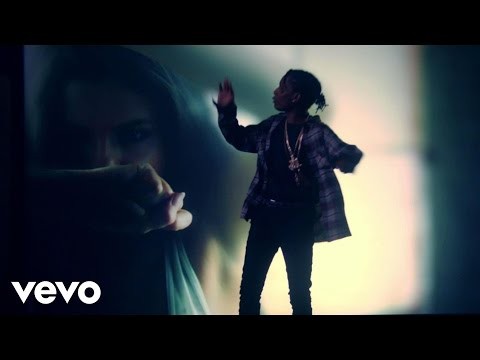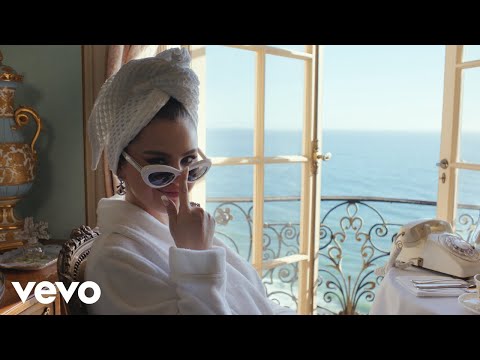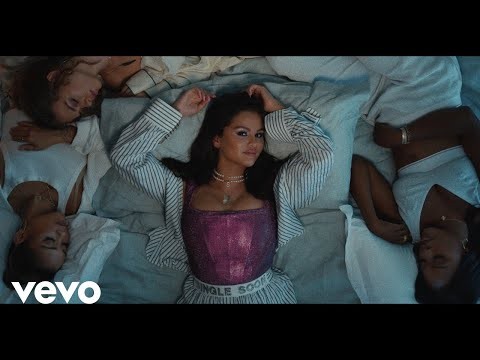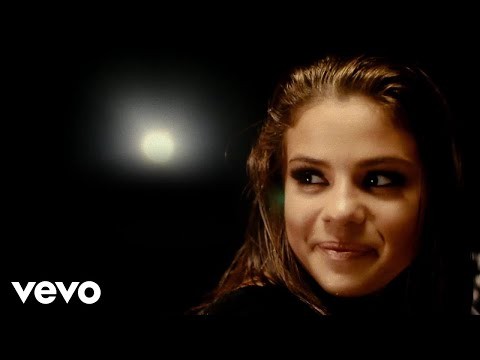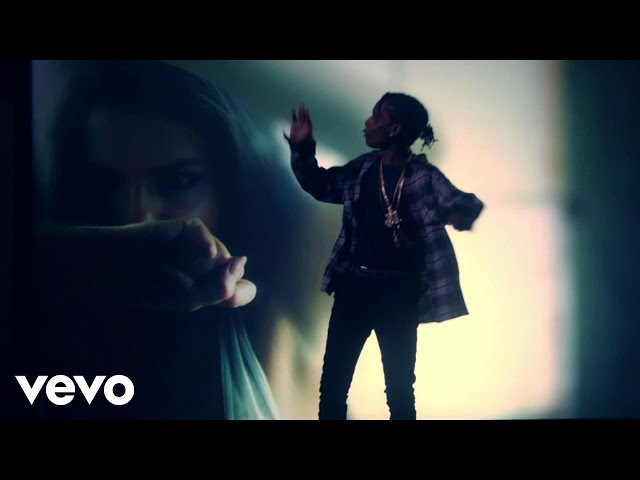
If you've paid attention to the music charts over the past decade, chances are Selena Gomez's name has appeared more than once. She's achieved astounding commercial success, with platinum records, sold-out tours, and viral hits under her belt. But for many music enthusiasts, a pressing question lingers in the background: How does an artist, often criticized for lacking extraordinary vocal prowess or musical innovation, rise to such levels of global acclaim?
The story of Selena Gomez—and others like her—is emblematic of larger forces at play within the contemporary music industry. It reflects the intersection of market economics, technological control, and cultural homogenization in ways that challenge what it even means to be a “successful musician” today. Addressing this phenomenon requires a deep-dive into the mechanisms at work behind the scenes of modern music production and promotion.
The Tyranny of Market-Driven Music
At the core of this issue lies the economics of the music industry, a system increasingly dictated by a handful of major labels and streaming platforms. These stakeholders prioritize financial returns above all else, promoting artists and music that represent the least amount of risk for the highest potential profit. Talent and artistry—though idealized in cultural narratives—often take a back seat to marketability, relatability, and broad consumer appeal. Selena Gomez’s rise mirrors this trend. While she may not be celebrated for powerhouse vocals or groundbreaking compositions, her brand—rooted in likability, her Disney Channel origins, and an aspirational yet relatable public persona—aligns perfectly with the industry’s profit-driven goals. She’s not just a musician; she’s a package—a multifaceted celebrity who can sell music, merchandise, social media engagement, and even beauty products. This approach turns musicians into commodities, reducing art into a mere vehicle for revenue.
Homogenization and Algorithmic Gatekeeping
The modern music audience often assumes they control what they listen to. After all, playlists, likes, and personalization tools seem to put the power in the hands of the listener. But this freedom is largely an illusion. Streaming giants like Spotify, Apple Music, and YouTube use algorithms that favor already popular tracks and artists over niche or independent content. The system reinforces itself, creating a closed loop where chart-toppers continue to receive disproportionate visibility, leaving alternative voices struggling to break through. For artists like Selena Gomez, this system offers an unstoppable boost. While listeners may stumble upon one of her tracks organically, her team’s deep pockets ensure algorithmic visibility, playlist placements, and consistent radio play. This enables her to dominate cultural conversations while lesser-known yet often more innovative and talented creators struggle for acknowledgment, buried under the weight of the industry’s preferences. Culturally, this has another unintended effect. Music trends become homogenized, robbing audiences of cultural and stylistic variety. Genres and subgenres once rich in diversity struggle to reach mainstream consciousness, replaced by formulaic tracks designed to go viral or rack up streams. Listeners end up in an ecosystem designed to leave as little to chance as possible.
Echoing Political and Economic Realities
Remarkably, the dynamics in the music world mirror patterns observed in larger societal structures—particularly in politics and economics. Governments, influenced by powerful lobbying groups, often make decisions that serve elite interests rather than the collective good. Similarly, the music industry caters to the interests of investors, labels, managers, and sponsors rather than prioritizing genuine fan demand or artistic innovation. This "tyranny of trends" reflects an antidemocratic impulse where the few dictate for the many. Fans may believe they’re choosing what they consume, but their options are shaped, limited, and dictated by industry gatekeepers. For musicians, the barriers to entry are monumental unless they align with the expectations of the powers that be.
The Transformation of Music into Commodity
Art, in its most authentic form, is meant to provoke, inspire, and resonate on a deeply emotional level. Yet, under the growing influence of corporate capitalism, music has transformed into a commodity designed for mass consumption. For global stars like Selena Gomez, every hit single, world tour, and merchandise sale is calculated to optimize financial outcomes. Artistic principles—creative risks, bold experimentation—rarely factor into the equation. This is not to undermine Gomez’s achievements or dismiss the value her music holds for many listeners. Instead, it’s an acknowledgment of the broader system that makes her success possible. Assembling a global celebrity today is akin to building a well-oiled marketing machine, where every social media post, public appearance, or album drop is part of a meticulously planned strategy geared toward profitability.
What We Lose in the Process
The overarching question is this: at what cost does this system operate? While artists like Selena Gomez thrive under these conditions, countless independent musicians are shut out of the mainstream. Genres with rich histories or deeply cultural roots are marginalized in favor of what "sells" in the moment. Similarly, consumers lose access to a broader diversity of soundscapes, instead being fed the same handful of polished, market-tested tracks. This isn’t just about music—it’s about cultural storytelling, identity, and expression. The dominance of marketable trends erodes the ability for diverse voices to be heard, reducing art to little more than background noise in an increasingly commercialized world.
Selena Gomez’s career is a testament to the era we live in, where the intersections of celebrity, commerce, and technology create a "new normal" for musical success. It’s not about being the best singer, writer, or performer—it’s about being the most marketable brand. For music enthusiasts and audiences at large, it’s worth asking a critical question. Are we genuinely choosing what we listen to, or are those choices being made for us? Until we confront the systemic forces that govern the music industry, the diversity and authenticity that make music an art form will continue to be stifled, replaced by a never-ending cycle of manufactured hits and fleeting trends. It’s time to take back the soundscapes we live in—and remind the world that music is more than just a product; it’s a profound reflection of the human experience.
The Tyranny of Market-Driven Music
At the core of this issue lies the economics of the music industry, a system increasingly dictated by a handful of major labels and streaming platforms. These stakeholders prioritize financial returns above all else, promoting artists and music that represent the least amount of risk for the highest potential profit. Talent and artistry—though idealized in cultural narratives—often take a back seat to marketability, relatability, and broad consumer appeal. Selena Gomez’s rise mirrors this trend. While she may not be celebrated for powerhouse vocals or groundbreaking compositions, her brand—rooted in likability, her Disney Channel origins, and an aspirational yet relatable public persona—aligns perfectly with the industry’s profit-driven goals. She’s not just a musician; she’s a package—a multifaceted celebrity who can sell music, merchandise, social media engagement, and even beauty products. This approach turns musicians into commodities, reducing art into a mere vehicle for revenue.
Homogenization and Algorithmic Gatekeeping
The modern music audience often assumes they control what they listen to. After all, playlists, likes, and personalization tools seem to put the power in the hands of the listener. But this freedom is largely an illusion. Streaming giants like Spotify, Apple Music, and YouTube use algorithms that favor already popular tracks and artists over niche or independent content. The system reinforces itself, creating a closed loop where chart-toppers continue to receive disproportionate visibility, leaving alternative voices struggling to break through. For artists like Selena Gomez, this system offers an unstoppable boost. While listeners may stumble upon one of her tracks organically, her team’s deep pockets ensure algorithmic visibility, playlist placements, and consistent radio play. This enables her to dominate cultural conversations while lesser-known yet often more innovative and talented creators struggle for acknowledgment, buried under the weight of the industry’s preferences. Culturally, this has another unintended effect. Music trends become homogenized, robbing audiences of cultural and stylistic variety. Genres and subgenres once rich in diversity struggle to reach mainstream consciousness, replaced by formulaic tracks designed to go viral or rack up streams. Listeners end up in an ecosystem designed to leave as little to chance as possible.
Echoing Political and Economic Realities
Remarkably, the dynamics in the music world mirror patterns observed in larger societal structures—particularly in politics and economics. Governments, influenced by powerful lobbying groups, often make decisions that serve elite interests rather than the collective good. Similarly, the music industry caters to the interests of investors, labels, managers, and sponsors rather than prioritizing genuine fan demand or artistic innovation. This "tyranny of trends" reflects an antidemocratic impulse where the few dictate for the many. Fans may believe they’re choosing what they consume, but their options are shaped, limited, and dictated by industry gatekeepers. For musicians, the barriers to entry are monumental unless they align with the expectations of the powers that be.
The Transformation of Music into Commodity
Art, in its most authentic form, is meant to provoke, inspire, and resonate on a deeply emotional level. Yet, under the growing influence of corporate capitalism, music has transformed into a commodity designed for mass consumption. For global stars like Selena Gomez, every hit single, world tour, and merchandise sale is calculated to optimize financial outcomes. Artistic principles—creative risks, bold experimentation—rarely factor into the equation. This is not to undermine Gomez’s achievements or dismiss the value her music holds for many listeners. Instead, it’s an acknowledgment of the broader system that makes her success possible. Assembling a global celebrity today is akin to building a well-oiled marketing machine, where every social media post, public appearance, or album drop is part of a meticulously planned strategy geared toward profitability.
What We Lose in the Process
The overarching question is this: at what cost does this system operate? While artists like Selena Gomez thrive under these conditions, countless independent musicians are shut out of the mainstream. Genres with rich histories or deeply cultural roots are marginalized in favor of what "sells" in the moment. Similarly, consumers lose access to a broader diversity of soundscapes, instead being fed the same handful of polished, market-tested tracks. This isn’t just about music—it’s about cultural storytelling, identity, and expression. The dominance of marketable trends erodes the ability for diverse voices to be heard, reducing art to little more than background noise in an increasingly commercialized world.
Selena Gomez’s career is a testament to the era we live in, where the intersections of celebrity, commerce, and technology create a "new normal" for musical success. It’s not about being the best singer, writer, or performer—it’s about being the most marketable brand. For music enthusiasts and audiences at large, it’s worth asking a critical question. Are we genuinely choosing what we listen to, or are those choices being made for us? Until we confront the systemic forces that govern the music industry, the diversity and authenticity that make music an art form will continue to be stifled, replaced by a never-ending cycle of manufactured hits and fleeting trends. It’s time to take back the soundscapes we live in—and remind the world that music is more than just a product; it’s a profound reflection of the human experience.