A celestial experiment that balances divinity and defiance
Rating: 8/10
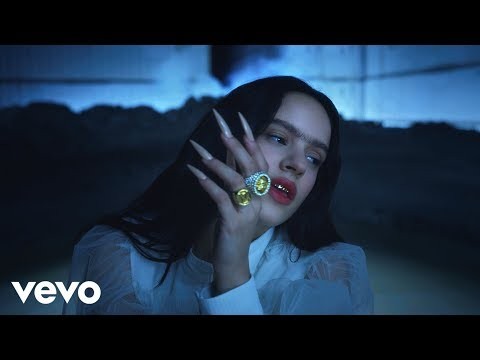
Rosalía has never been afraid of transformation. From the raw flamenco of Los Ángeles to the pop sophistication of El Mal Querer and the experimental reggaeton of Motomami, her career has been a continuous act of reinvention. With Lux, her fourth album, she sets her sights even higher — or rather, beyond — crafting a project that feels cosmic in scale and deeply spiritual in intent.
The ambition: a multilingual, multi-dimensional vision
Lux is Rosalía’s most ambitious record to date. Across 18 tracks and 13 languages — from Spanish and Italian to Japanese, Arabic, and even Latin — she builds an aural cathedral, where classical operatics meet electronic buzz and divine imagery. The concept draws on hagiographies, tales of female saints and sacred women from across cultures, turning each song into a kind of ritual. The result is a daring exploration of faith, femininity, and transcendence.
This is not an easy listen. It’s a demanding, hour-long experience that asks for your full attention. But when you give it, the reward is immense. Tracks like Divinize and Sexo, Violencia y Llantas capture Rosalía’s signature mix of fragility and fire — her voice flickering between prayer and provocation. In Dios Es Un Stalker, she plays with divine irony, turning omnipresence into a twisted form of desire.
Where the sacred meets the synthetic
The album’s emotional centerpiece, Mio Christo, is an Italian aria reimagined through Rosalía’s distinctive lens. Her control and range here are breathtaking — operatic one moment, intimate the next. Then there’s Novia Robot, perhaps the album’s boldest statement: a multilingual critique of capitalism and female objectification wrapped in an avant-garde soundscape. Its spoken-word introduction, mocking consumer culture, feels like a manifesto disguised as performance art.
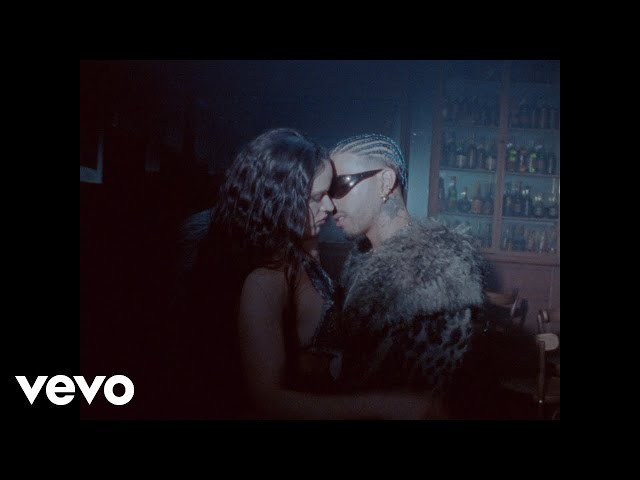
Amidst its grandeur, Lux also leaves space for raw emotion. La Perla, rumored to address her breakup with Rauw Alejandro, blends scorn and sorrow in cutting lyrics: “Gold medal in being a motherfucker,” she murmurs over a deceptively delicate waltz. It’s both personal and performative — a reminder that even divine beings bleed.
A closing ascent
The record concludes with Magnolias, a slow, luminous farewell where Rosalía sings, “I come from the stars / But today I turn to dust.” The arrangement, anchored by organ and orchestra, feels like the soul leaving the body — peaceful, inevitable, transcendent. It’s the perfect resolution for an album that constantly dances between heaven and earth.
Verdict
Lux is not designed for playlists or casual streaming. It’s an experience to be entered like a cathedral — slowly, reverently, with an open heart. Rosalía’s vision may at times feel excessive, but it’s also exhilarating: a fearless rejection of musical complacency in an era ruled by algorithms.
Score: 8/10 – Rosalía reaches for heaven and nearly touches it.