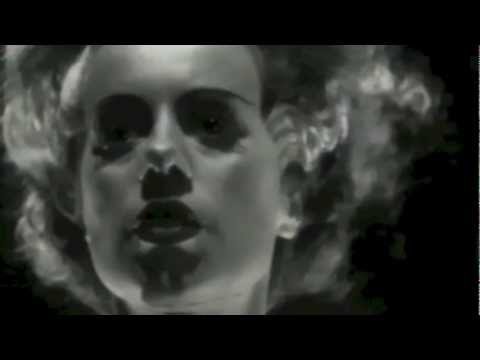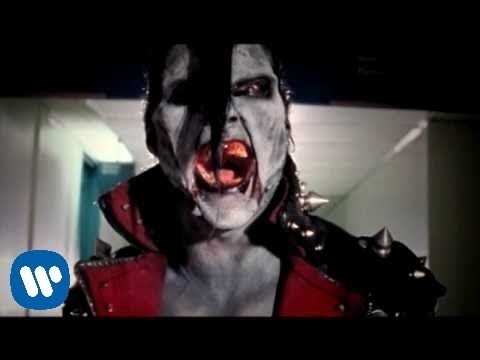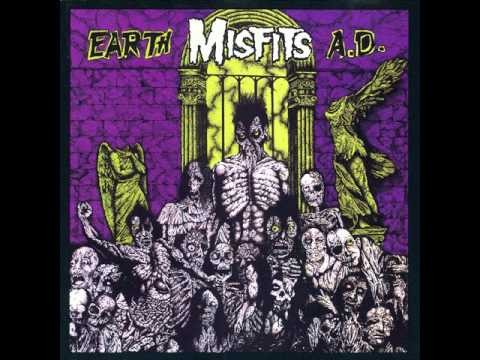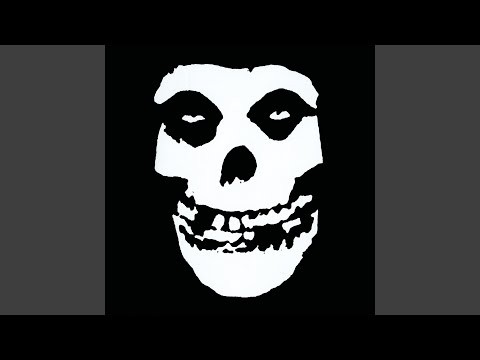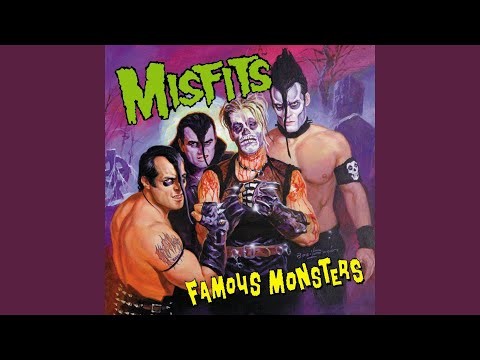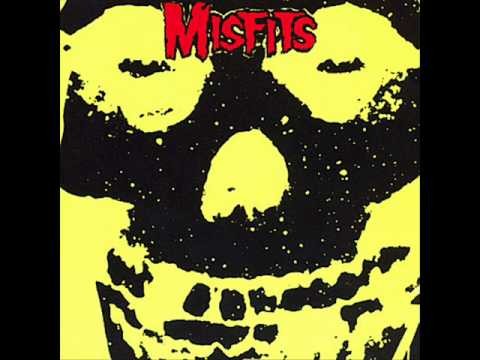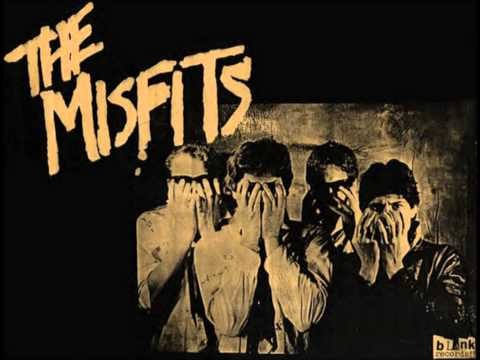
The skull logo associated with The Misfits, known to many as the "Fiend" or more precisely "The Crimson Ghost," has roots that stretch far beyond the punk scene, dating back to a 1946 horror film serial.
The Origin of the Misfits’ Iconic Logo
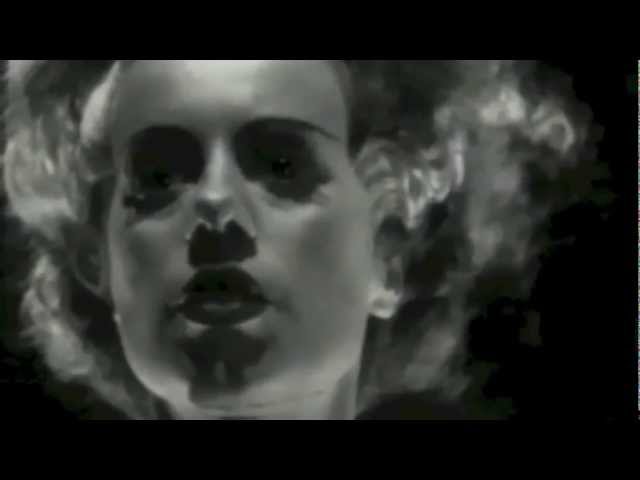
Before the Misfits debuted their first album Walk Among Us in 1982, they had already adopted a logo that would become one of punk’s most recognizable images. That logo, the Fiend Skull, is a direct lift from The Crimson Ghost, a 12-part serial released in 1946. The series follows a masked villain—The Crimson Ghost—who attempts to steal a device called the Cyclotrode, capable of disabling all electrical currents.
This visual, featuring a skeletal figure in a skull mask and gloves, became the face of The Misfits starting in 1979 with their single Horror Business, coinciding with the creation of their fan club, the Fiend Club. Nearly two decades later, in 1997, the band would fully embrace the legacy of the film by releasing a song titled Crimson Ghost on their album American Psycho.
A Curious Cinematic Inspiration
The choice of such a character from 1940s cinema may seem odd today. The Crimson Ghost was created in an era before modern visual effects, and the villain’s costume—while spooky for its time—now appears outdated and even humorous. The mask and gloves resemble off-the-shelf Halloween attire, making it all the more surprising that this imagery became a symbol of hardcore punk rebellion.
Yet that’s part of its charm: the transformation of something once considered campy into a fierce cultural emblem. The absurdity of the original design only adds to the punk ethos—reclaiming the discarded and reshaping it into something powerful and new.
Ownership and Legal Disputes
Over the years, the Misfits’ skull logo has been fiercely protected. The band's use of the image has sparked multiple lawsuits, including legal conflicts within the Misfits camp itself. The skull has become more than a mascot—it's intellectual property with substantial commercial value.
A Cultural Artifact of Rebellion
What began as a relatively obscure 1940s film villain has become an enduring icon in music and fashion. The Misfits' adoption of The Crimson Ghost illustrates how pop culture can be recontextualized across decades, from serial cinema to punk rock stages.
In the end, the story of the Fiend Skull is more than just band branding—it’s a symbol of how punk reshapes the past to shock the present.