On February 1, 2026, the Crypto.com Arena in Los Angeles will host the 68th edition of the Grammy Awards, the most prestigious event in the global music industry. The Recording Academy revealed the complete list of nominees on November 7, with the ceremony set to be broadcast live on CBS and Paramount+.
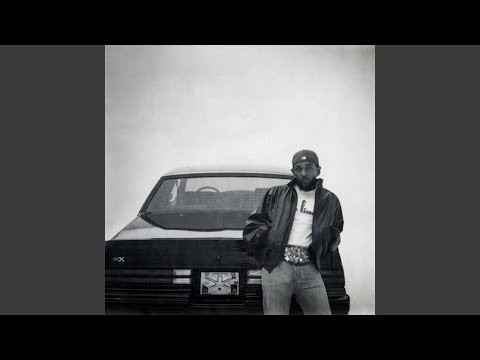
Kendrick Lamar leads the pack with nine nominations, thanks to his sixth studio album GNX, released in November 2024. Behind him are Lady Gaga, Jack Antonoff and Cirkut with seven nominations each, while Sabrina Carpenter, Leon Thomas, Serban Ghenea and Bad Bunny each received six nods.
All four of the leading artists — Lamar, Gaga, Carpenter and Bad Bunny — are competing in the three major categories: Album of the Year, Record of the Year and Song of the Year. Other nominees in these top categories include Justin Bieber, Billie Eilish, Chappell Roan and Tyler, The Creator.
The eligibility period ran from August 31, 2024, to August 30, 2025, meaning recent releases such as Taylor Swift’s The Life of a Showgirl will instead qualify for the 2027 Grammys.
Among the most talked-about tracks is Golden by Huntr/x, from the KPop Demon Hunters soundtrack, which earned four nominations. In the Best Alternative Music Album category, Bon Iver, The Cure, Wet Leg, Hayley Williams and Tyler, The Creator will compete for the award.
Controversy and major omissions
Not all artists received good news. Fans of Lorde and The Weeknd expressed frustration over their absence from the nominations. Lorde released her fourth album Virgin in June but received zero nominations. The New Zealand singer’s relationship with the Grammys has been strained since 2018, when her acclaimed album Melodrama was nominated for Album of the Year but she was not invited to perform solo, unlike her male peers.
Similarly, The Weeknd — who had ended his years-long boycott of the Grammys — failed to earn any nominations for his January release Hurry Up Tomorrow. Fans called it ironic that despite his attempts at reconciliation with the Academy, his work was once again overlooked.
Other notable absences include Gracie Abrams, whose hit single That’s So True was among the year’s biggest songs, and Benson Boone, previously nominated for Best New Artist but left out this year despite releasing his second album American Heart.
Analysis and criticism
Kendrick Lamar’s dominance reaffirms his status as one of the most influential and respected voices in contemporary music. With GNX, he continues to merge introspection and social commentary, turning hip-hop into an art form that bridges culture and conscience.
However, the repeated exclusion of artists like Lorde and The Weeknd reignites questions about the transparency and representation of the Recording Academy. Despite attempts at renewal through younger talents like Sabrina Carpenter and Leon Thomas, the major categories remain dominated by familiar names, suggesting that the Grammys still struggle to capture the true diversity of today’s music landscape.
Nonetheless, the 2026 ceremony promises to be one of the most competitive and closely watched in recent years. Kendrick Lamar stands as the clear frontrunner, Lady Gaga continues to prove her artistic versatility, and Bad Bunny strengthens the global reach of Latin music.
The 2026 Grammys will not only celebrate musical excellence but also test the Academy’s ability to evolve, to recognize innovation, and to reflect a more inclusive and authentic vision of contemporary music.