
Why Dusty Springfield's You Don’t Have To Say You Love Me matters
You Don’t Have To Say You Love Me- Album Overview
Released in 1966, "You Don’t Have To Say You Love Me" is one of Dusty Springfield's most celebrated albums, showcasing her powerful vocal prowess and emotional depth. The album was released under the Philips Records label and produced by the renowned team of Johnny Harris and the legendary songwriter and producer, Burt Bacharach. The title track, "You Don't Have to Say You Love Me," was originally an Italian song ("Io che non vivo (senza te)") by Pino Donaggio and Vito Pallavicini, which Springfield and her collaborators adapted into English, turning it into a global hit. The album features a blend of pop, soul, and R&B influences, which were pivotal in shaping the sound of the '60s. The recording sessions took place at the famed Abbey Road Studios in London, where Springfield's distinctive contralto voice was complemented by lush orchestral arrangements. Alongside the title track, the album includes memorable songs like "All I See Is You" and "I Just Don't Know What to Do with Myself," both showcasing her ability to convey deep emotion through her singing. This album not only solidified Springfield's place in the music industry but also reflected the evolving cultural landscape of the 1960s, where female artists began to gain prominence in a male-dominated industry. The singles from this album achieved significant commercial success, with "You Don't Have to Say You Love Me" reaching the top of the charts in multiple countries, making it one of her signature songs. Its lyrical themes of love and vulnerability resonate even today, making this album a timeless classic.
Review
Musically, "You Don’t Have To Say You Love Me" is an exquisite showcase of Dusty Springfield's vocal talents. Her voice, rich and emotive, captures the essence of yearning and heartbreak throughout the album. The production is lush, characterized by its orchestral arrangements that perfectly complement Springfield's singing style. The opening track, a dramatic orchestral intro, sets the tone for a collection of songs that explores themes of love and longing with sincerity. Lyrically, the album delves into the intricacies of romantic relationships, with Springfield's interpretations adding depth to the material. Tracks like "I Just Don't Know What to Do with Myself" highlight her ability to convey emotional vulnerability, while "All I See Is You" reflects a more optimistic outlook on love. Springfield's artistic vision is clear; she seeks to connect with her audience on a personal level through heartfelt performances. The combination of her soulful vocals and the evocative lyrics creates a poignant listening experience that resonates with listeners across generations.
Highlights
- Dusty Springfield's powerful and emotive vocal performance throughout the album.
- Rich orchestral arrangements that enhance the emotional depth of the songs.
- Timeless themes of love and vulnerability that continue to resonate with listeners today.
Weak points
- Some tracks may feel slightly dated in production compared to contemporary music.
- Limited variety in musical style across the album may not appeal to all listeners.
- A few songs lack the same emotional impact as the standout singles.
Overall evaluation
"You Don’t Have To Say You Love Me" is a defining work in Dusty Springfield's discography and a cornerstone of 1960s pop music. Its emotional resonance and Springfield's unparalleled vocal talent make it a must-listen for fans of classic music. While it may have a few weaknesses, the album's strengths far outweigh them, solidifying its status as a timeless masterpiece.
Personal rating: 9/10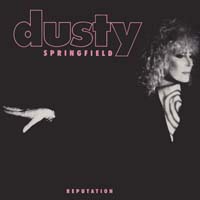 1990Reputation
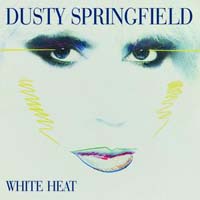 1982White Heat
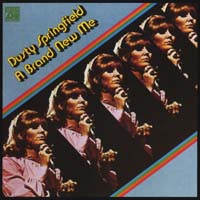 1970Brand New Me
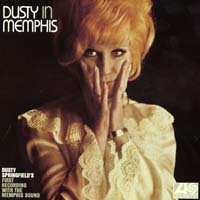
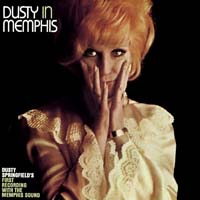 1969Dusty in Memphis
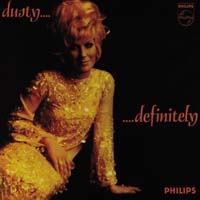 1968Dusty... Definitely
 1964Dusty
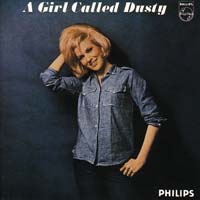 1964A Girl Called Dusty