ALBUM NOTESListening guide: Willie Dixon's Willie’s Blues
Willie’s Blues- Album Overview
Willie Dixon's "Willie’s Blues," released in 1960, is a seminal album that captures the essence of Chicago blues. The album was recorded for the Chess Records label, known for its rich legacy in blues and rock music. Dixon, a prolific songwriter and bassist, was instrumental in shaping the sound of electric blues and is often credited with influencing countless artists across various genres.
The album features a collection of original songs written by Dixon, showcasing his prowess not only as a musician but also as a lyricist. Among the standout tracks are "Hoochie Coochie Man," which has become one of the defining songs of the genre, and "I Ain't Superstitious," both of which highlight Dixon's deep, resonant voice and masterful storytelling.
"Willie’s Blues" was recorded during a time when blues was transitioning into a more electrified sound, and Dixon's work bridged the gap between traditional and modern blues. Collaborating with esteemed musicians such as guitarist Otis Rush and harmonica player Little Walter, the album is rich with the sounds of the Chicago blues scene. The production captures the raw energy of live performances, immersing listeners in the vibrant atmosphere of the era.
Culturally, the album is significant not only for its music but also for its role in the civil rights movement, as blues music emerged as a powerful voice for African Americans. Dixon's work laid the foundation for future blues artists, influencing rock and roll legends and helping to popularize blues music worldwide.
Overall, "Willie’s Blues" is both a personal reflection and a broader commentary on life, love, and hardship, encapsulating the spirit of the blues and its profound impact on American music history.
Review
"Willie’s Blues" is a stunning showcase of Willie Dixon's talent, seamlessly blending poignant lyrics with robust instrumentation. The sound is unmistakably Chicago blues, characterized by its electric guitar riffs, harmonica solos, and Dixon's powerful vocal delivery. The emotional depth of the lyrics resonates with listeners, exploring themes of love, superstition, and resilience.
Dixon's ability to convey complex emotions through simple yet profound lyrics is a hallmark of his songwriting. Tracks like "Hoochie Coochie Man" and "I Ain't Superstitious" not only highlight his lyrical brilliance but also serve as anthems within the blues genre. The interplay between the musicians is electric, creating an immersive listening experience that feels alive and vibrant.
Dixon's artistic vision is clear throughout the album—he aims to tell stories that reflect the struggles and triumphs of everyday life. The production, while raw and authentic, captures the spirit of the blues scene, making the listener feel as though they are right in the midst of a smoky club in Chicago.
Overall, "Willie’s Blues" is a masterclass in blues music, showcasing Dixon's exceptional artistry and leaving a lasting impact on the genre.
Highlights
- Powerful and emotive songwriting that resonates deeply with listeners.
- Exceptional musicianship from Dixon and his collaborators, creating a rich sound.
- Cultural significance as a pivotal work in the evolution of blues music.
Weak points
- Some tracks may feel repetitive to those unfamiliar with the genre.
- The raw production style might not appeal to all modern listeners.
- Lack of commercial hits compared to some contemporaneous releases may overshadow its significance.
Overall evaluation
"Willie’s Blues" stands as a cornerstone of blues music, showcasing Willie Dixon's incredible talent and influence within the genre. It is a must-listen for any blues aficionado or anyone interested in the roots of American music.
Personal rating: 9/10

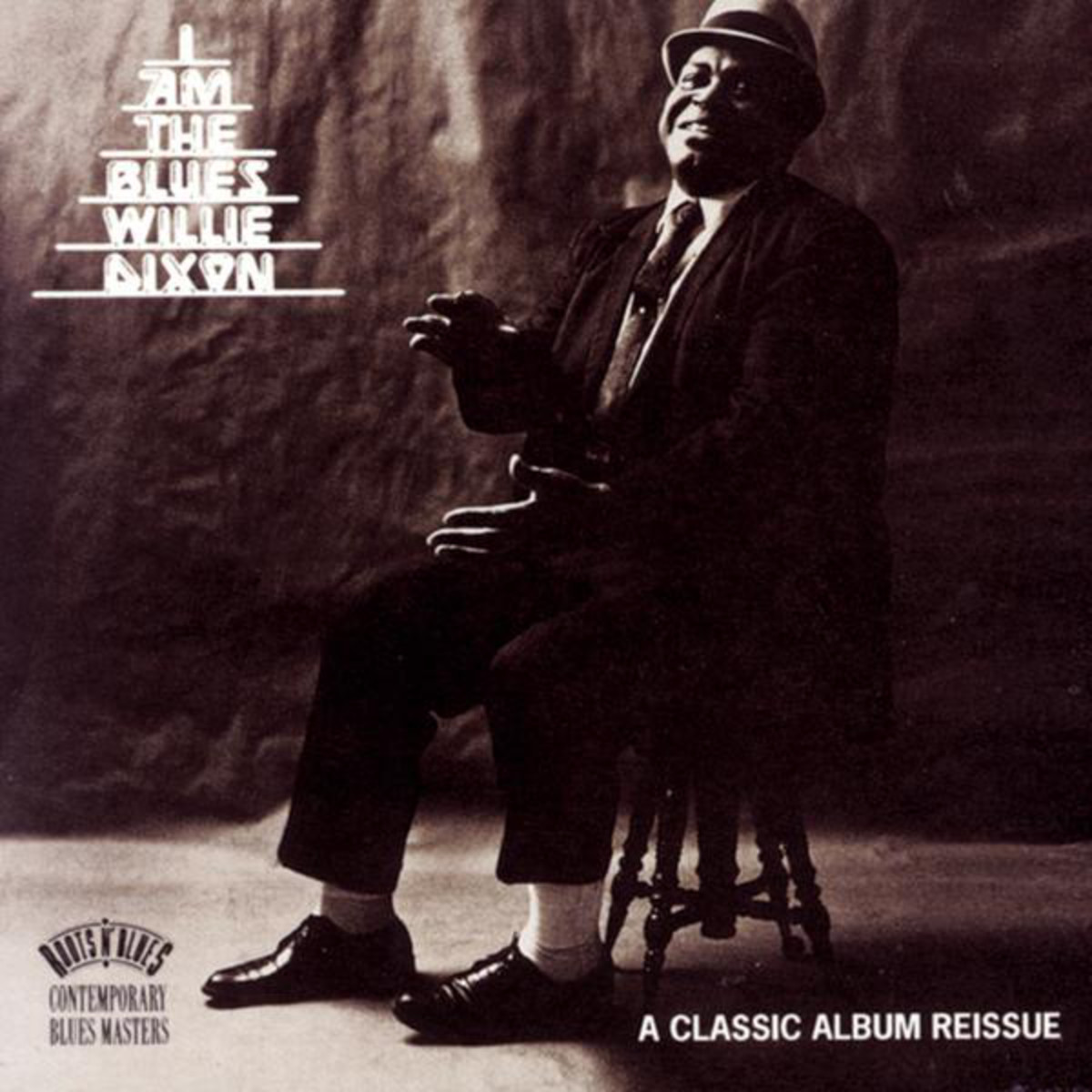
 1990Willie's Blues
 1988Hidden Charms