
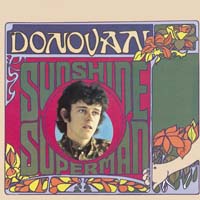
Inside What’s Bin Did And What’s Bin Hid by Donovan
What’s Bin Did And What’s Bin Hid- Album Overview
"What’s Bin Did And What’s Bin Hid" is the debut studio album by Scottish singer-songwriter Donovan, released in 1965. This album marked a significant entry into the folk-rock genre, featuring Donovan's signature blend of acoustic folk music infused with pop sensibilities. The album was released under the Pye Records label and produced by the renowned producer Terry Kennedy. Donovan's style during this period was heavily influenced by the folk revival movement, and this album showcased his poetic lyricism and unique vocal delivery.
The recording sessions took place in London, where Donovan worked with a variety of musicians, including guitarist Jimmy Page, who would later gain fame with Led Zeppelin. Notably, the album includes classic tracks such as "Catch the Wind" and "Colours," which helped establish Donovan as a prominent figure in the 1960s music scene. The singles "Catch the Wind" and "Colours" were particularly successful, receiving significant radio play and contributing to Donovan's rise in popularity.
Musically, the album is characterized by its gentle melodies, intricate acoustic guitar work, and introspective lyrics. Donovan's ability to weave social commentary with whimsical storytelling made his work resonate with the youth of the era, particularly during the counterculture movement. "What’s Bin Did And What’s Bin Hid" not only laid the groundwork for Donovan's future albums but also helped cement his reputation as a key player in the folk and pop music landscape of the 1960s.
Review
The sound of "What’s Bin Did And What’s Bin Hid" is a captivating blend of folk simplicity and lyrical depth. Donovan's voice, both soothing and expressive, carries a weight that draws listeners into his world. Tracks like "Catch the Wind" highlight his ability to craft memorable melodies, while "Colours" showcases his lyrical prowess, employing vivid imagery that evokes emotion and thought. The acoustic arrangements are both rich and minimalistic, allowing Donovan's voice and guitar to take center stage.
Artistically, Donovan's vision is clear; he sought to create music that spoke to the heart and soul of his generation. His influences from folk legends such as Bob Dylan are evident, yet Donovan's distinct Scottish heritage infuses his work with a unique flavor. The album's mix of social commentary and personal reflection resonates deeply, making it a timeless piece of art that continues to be relevant. However, while the album has its high points, some tracks may feel repetitive or simplistic compared to more mature works that followed.
Highlights
- Memorable melodies that linger long after listening.
- Poetic and vividly imaginative lyrics.
- Strong cultural impact during the 1960s folk revival.
Weak points
- Some tracks may feel simplistic in arrangement.
- Occasional lack of lyrical depth compared to later works.
- Limited production variety across the album.
Overall evaluation
"What’s Bin Did And What’s Bin Hid" serves as an essential introduction to Donovan's artistry, capturing the essence of his early work and the folk movement of the 1960s. While it may not reach the heights of his later albums, it remains a significant piece of musical history.
Personal rating: 7.5/10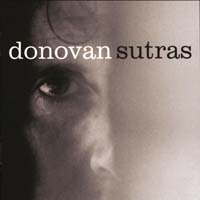 1996Sutras
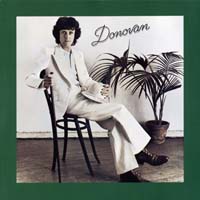 1977Donovan
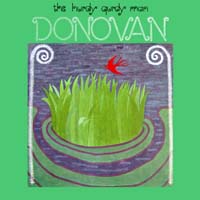 1968The Hurdy Gurdy Man
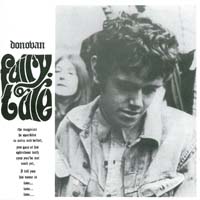 1965Fairytale