ALBUM NOTESInside We’re Only in It for the Money / Lumpy Gravy by Frank Zappa-We’re Only in It for the Money / Lumpy Gravy
Album overview
Frank Zappa's "We’re Only in It for the Money" and "Lumpy Gravy" were released in 1968 and 1969, respectively, showcasing his unique blend of avant-garde rock, jazz, and experimental music. "We’re Only in It for the Money," released by Verve Records, is often regarded as a satirical take on the counterculture of the 1960s and a critique of the music industry itself. The album is noted for its complex arrangements, unconventional song structures, and humorous yet biting lyrics. Collaborators include members of The Mothers of Invention, such as Don Preston and Bunk Gardner, contributing to the album's eclectic sound.
"Lumpy Gravy," Zappa's first solo album, was released in 1969 and is an instrumental work that merges orchestral compositions with tape manipulation and sound collages. It was recorded with a diverse range of musicians, including the London Philharmonic Orchestra. Zappa's innovative production techniques, such as overdubbing and editing, pushed the boundaries of contemporary music. The album features segments that blend orchestral music with bizarre spoken word interludes, offering a unique listening experience.
Both albums have been influential in shaping the landscape of progressive rock and experimental music, often cited as key works that challenged the norms of their time. The singles "Don't Eat the Yellow Snow" and "Concentration Moon" helped cement Zappa's reputation as a boundary-pushing artist. Collectively, these works reflect Zappa's artistic vision and his ability to critique society while embracing musical complexity.
Review
Frank Zappa's dual offerings of "We’re Only in It for the Money" and "Lumpy Gravy" present a fascinating exploration of sound and satire. The former stands out for its biting lyrics and musical diversity, seamlessly transitioning from doo-wop to avant-garde jazz in an audacious critique of the cultural landscape, all while maintaining a sense of humor. Zappa's irreverent style and sharp wit shine through tracks like "Who Needs the Peace Corps?" and "Let's Make the Water Turn Black," which challenge societal norms with a playful yet incisive approach.
In contrast, "Lumpy Gravy" is a more abstract work, focusing on orchestral textures and experimental soundscapes. The lack of traditional song structures and the heavy use of tape manipulation create an auditory experience that can be polarizing but ultimately rewarding for those willing to engage with its complexities. Zappa's genius lies in his ability to merge high art with lowbrow humor, making profound statements about life, culture, and the music industry while never taking himself too seriously.
Overall, these albums illustrate Zappa's commitment to pushing musical boundaries and his relentless quest for innovation. His artistic vision invites listeners to question the status quo, making both albums essential listening for anyone interested in the evolution of modern music.
Highlights
- Innovative blend of musical styles and genres.
- Sharp, satirical lyrics that critique 1960s culture.
- Groundbreaking production techniques and orchestral arrangements.
Weak points
- Can be polarizing due to its avant-garde nature.
- Some listeners may find the humor dated or inaccessible.
- Lacks traditional song structures, which may alienate mainstream audiences.
Overall evaluation
Frank Zappa's "We’re Only in It for the Money" and "Lumpy Gravy" serve as monumental testaments to his artistic vision and innovation. They challenge listeners to engage with music on a deeper level, while simultaneously delivering sharp social commentary.
Personal rating: 9/10
```


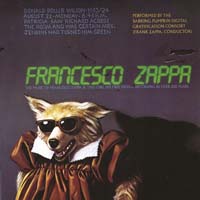 1984Francesco Zappa
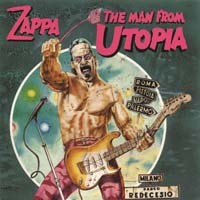 1983The Man From Utopia
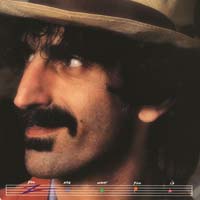 1981You Are What You Is
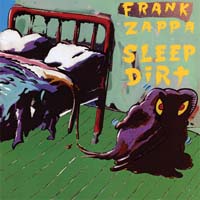 1979Sleep Dirt
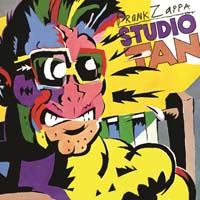 1978Studio Tan
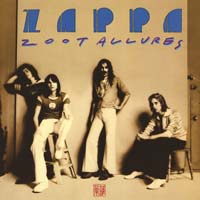 1976Zoot Allures
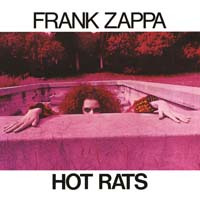 1969Hot Rats
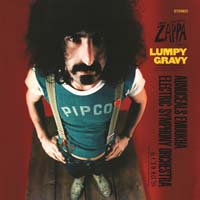 1967Lumpy Gravy