
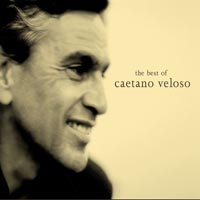
Caetano Veloso – Tropicália: track-by-track perspective
Tropicália- Album Overview
"Tropicália," officially titled "Tropicália ou Panis et Circenses," was released in 1968, marking a pivotal moment in Brazilian music and culture. This album emerged during Brazil's military dictatorship, representing a radical fusion of traditional Brazilian genres with international influences, particularly rock and psychedelia. The album was produced under the label Philips Records and involved a collaborative effort with other key figures in the Tropicália movement, including Gilberto Gil, Os Mutantes, and Tom Zé.
The recording sessions took place in a climate of political unrest, and the album's blend of musical styles was a bold statement against censorship and authoritarianism. "Tropicália" features a variety of genres, including samba, bossa nova, and rock, showcasing Veloso's innovative approach to composition and sound. The album's cover art, designed by the renowned artist Hélio Oiticica, further emphasized its avant-garde aesthetic.
Key tracks from the album include "Tropicália," "Alegria, Alegria," and "Baby," which became significant not only for their musicality but also for their lyrical content, reflecting the social and political landscape of Brazil at the time. "Tropicália" has since been recognized as one of the most influential albums in Brazilian music history, inspiring generations of artists and musicians across the globe.
Review
Musically, "Tropicália" stands as a bold amalgamation of sounds that defies easy categorization. Veloso's voice floats effortlessly over the intricate arrangements, which often include unconventional instruments and experimental production techniques. The lyrics are rich in metaphor and cultural references, articulating a sense of longing and defiance in the face of societal constraints. Tracks like "Alegria, Alegria" serve as an anthem of youthful rebellion, while "Tropicália" encapsulates the movement’s ethos—a celebration of Brazilian identity intertwined with a global consciousness. This album is not just a musical journey; it’s an invitation to partake in a cultural revolution, a heartfelt expression of the complexities of life in Brazil during the late 1960s.
Highlights
- Innovative blend of Brazilian music with international styles.
- Lyrically profound, tackling themes of identity and resistance.
- Groundbreaking production that paved the way for future Brazilian artists.
Weak points
- Some tracks may feel disjointed to listeners unfamiliar with the Tropicália movement.
- Occasional overindulgence in experimentation can detract from accessibility.
- Political context may limit its appeal to a broader audience.
Overall evaluation
"Tropicália" is an essential artifact of Brazilian music that combines artistic innovation with socio-political commentary. While it may challenge listeners with its avant-garde nature, its impact on music and culture is undeniable.
Personal rating: 9/10 1994Fina estampa
 1988Caetano
 1981Outras Palavras
 1977Bicho
 1972Transa
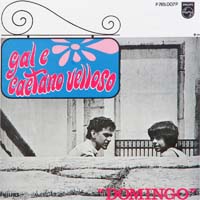 1967Domingo