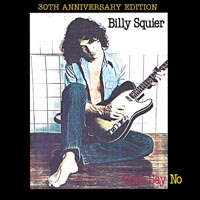
ALBUM NOTESExploring the sound of Billy Squier: The Tale Of The Tape / Don't Say No
The Tale Of The Tape / Don't Say No- Album Overview
Billy Squier's musical journey began with the release of his debut album "The Tale Of The Tape" in 1980, followed closely by his breakthrough record "Don't Say No" in 1981. Both albums, released under the Capitol Records label, played a pivotal role in shaping the early '80s rock sound. "The Tale Of The Tape" features a blend of hard rock and pop sensibilities, characterized by Squier's compelling guitar work and emotive vocals. The album includes tracks like "The Big Beat," which showcases Squier's knack for catchy hooks and rhythmic drive.
"Don't Say No," on the other hand, catapulted Squier into superstardom, driven by hit singles such as "The Stroke" and "In the Dark." This album was produced by renowned music producer and engineer, Dan Hartman, and it features contributions from notable musicians, including drummer Jeff Porcaro of Toto fame. The combination of expertly crafted songs and polished production helped to define Squier's sound, blending anthemic choruses with intricate guitar arrangements.
Culturally, "Don't Say No" resonated with a generation, aligning with the burgeoning arena rock movement, and solidifying Squier's standing as a leading figure in the genre. His ability to merge rock with elements of disco and pop made his sound distinctive, influencing many artists who followed. Both albums collectively showcase Squier's evolution as an artist, laying the groundwork for his future successes and ensuring his place in rock history.
Review
Billy Squier's "The Tale Of The Tape / Don't Say No" is a testament to the artist's prowess in crafting rock anthems that are both accessible and complex. Musically, the albums offer a rich tapestry of sounds, from the driving rhythms of "The Big Beat" to the infectious groove of "The Stroke." Squier's guitar work is both melodic and powerful, often serving as the backbone of his songs. Lyrically, Squier explores themes of love, ambition, and self-discovery, reflecting the zeitgeist of the early '80s rock scene.
The artistic vision behind these albums is clear; Squier successfully merges mainstream appeal with genuine rock sensibilities, creating tracks that resonate on both radio and in concert halls. His ability to blend catchy melodies with intricate instrumentation showcases his talent as a songwriter and musician. While "The Tale Of The Tape" serves as a solid introduction to Squier's sound, "Don't Say No" is where he truly shines, delivering a collection of songs that are both timeless and emblematic of the era.
Highlights
- Catchy and memorable hooks that define Squier's anthemic sound.
- Expert musicianship, particularly in guitar and rhythm sections.
- The cultural impact of "Don't Say No," which solidified Squier's status in rock history.
Weak points
- Some tracks may feel formulaic in their structure and lyrical themes.
- The production style, while polished, might lack the raw edge some rock purists prefer.
- Not all songs on "The Tale Of The Tape" reached the same heights as those on "Don't Say No."
Overall evaluation
Billy Squier's "The Tale Of The Tape / Don't Say No" represents a significant chapter in rock music, showcasing his evolution as an artist and the infectious energy of the early '80s rock scene. While some tracks may not resonate universally, the strength of the standout singles and Squier's distinctive sound make this collection a must-listen for rock enthusiasts.
Personal rating: 8/10