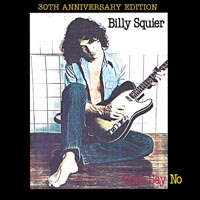
ALBUM NOTESListening to The Tale of the Tape / Don't Say No by Billy Squier-The Tale of the Tape / Don't Say No
Album overview
Billy Squier's double album "The Tale of the Tape / Don't Say No" was released in 1981, showcasing the artist's blend of rock and pop sensibilities. The album was produced by Squier himself, alongside the notable producer Mack, who helped shape the sound of much of Squier's early work. The first part, "The Tale of the Tape," features tracks such as "The Big Beat" and "You Should Be High, Way Up," exhibiting Squier's knack for catchy melodies and driving guitar riffs. The second part, "Don't Say No," includes the hit singles "The Stroke" and "In the Dark," which propelled Squier into mainstream success. Released under the Capitol Records label, the album has been praised for its polished production and engaging songwriting, marking a significant point in the early '80s rock landscape. Collaborators on the album included seasoned musicians like drummer Jeff Porcaro and guitarist Kevin Savigar, contributing to its rich sound. The album's commercial success, particularly with "The Stroke," not only highlighted Squier's talents but also cemented his place in the era's rock pantheon.
Review
"The Tale of the Tape / Don't Say No" is an exhilarating exploration of rock music that captures the essence of the early '80s. Squier's signature sound combines infectious guitar riffs with anthemic choruses, making tracks like "The Stroke" instantly recognizable and endlessly catchy. Lyrically, the songs often revolve around themes of love, confidence, and the nightlife culture of the time, reflecting the youthful exuberance of the era. The production is polished, yet retains a raw energy that makes it feel alive. Squier's vocal delivery is compelling, blending a sense of urgency with melodic sensibility. While the album is undeniably radio-friendly, it also showcases Squier's musicianship and songwriting prowess, positioning him as a standout artist of his generation. The dual nature of the album allows listeners to experience both the narrative depth of "The Tale of the Tape" and the electrifying energy of "Don't Say No," making it a cohesive yet diverse listening experience.
Highlights
- Catchy and memorable tracks that resonate with audiences.
- Strong production quality that enhances the listening experience.
- Successful blend of rock and pop elements, appealing to a wide range of listeners.
Weak points
- Some tracks may feel formulaic or overly commercial.
- Occasional lyrical clichés that detract from the overall impact.
- Not all songs achieve the same level of memorability as the singles.
Overall evaluation
Billy Squier's "The Tale of the Tape / Don't Say No" is a significant album that encapsulates the vibrant sound of early '80s rock. While it has its weaknesses, its strengths far outweigh them, making it a worthwhile listen for fans of the genre.
Personal rating: 8/10
```