

Breaking down the themes in The London Howlin’ Wolf Sessions by Steve Winwood
The London Howlin’ Wolf Sessions- Album Overview
The London Howlin’ Wolf Sessions, released in 1971, is a remarkable collaboration between legendary blues musician Howlin' Wolf and a cadre of British rock musicians, prominently featuring Steve Winwood. Released under the Chess Records label, the album captures a unique intersection of American blues and British rock influences, highlighting Winwood's exceptional musicianship and the vibrant musical landscape of the early 1970s. This album was recorded in London, showcasing how British artists were deeply influenced by American blues traditions.
The collaboration includes notable musicians like Eric Clapton, Charlie Watts, and Bill Wyman, who bring their own flair while respecting the authenticity of Wolf's sound. The sessions were produced by the renowned blues producer, Andrew Oldham, who was known for his work with The Rolling Stones. The album features classic tracks such as "Smokestack Lightning," "Spoonful," and "Killing Floor," reimagined through the lens of Winwood's soulful vocals and masterful keyboard work.
Culturally, The London Howlin’ Wolf Sessions represents a pivotal moment where the British rock scene revered its American blues roots, reflecting the transatlantic musical dialogue that characterized the era. The album, while not a commercial blockbuster, has gained appreciation over the years for its raw energy and authenticity, becoming a significant artifact in the history of blues-rock fusion.
Review
The sound on The London Howlin’ Wolf Sessions is a compelling blend of traditional blues and the emerging rock sound of the 1970s. Winwood's vocal delivery is both passionate and respectful, capturing the essence of Wolf's raw emotion while infusing it with his own artistry. The instrumentation is tight and dynamic, with Clapton's guitar work providing a sharp contrast to Wolf's guttural vocals, creating an electrifying synergy that drives the album.
Lyrically, the themes delve into the classic blues motifs of love, hardship, and existential struggle, yet they are presented with a freshness that resonates with a contemporary audience. The artistic vision of the album is clear: to pay homage to the roots of the blues while simultaneously breathing new life into the genre. Winwood and his collaborators succeed in creating a sound that feels both timeless and innovative, showcasing the rich tapestry of influences that define the blues.
Highlights
- Exceptional collaboration between iconic blues and rock musicians.
- Winwood’s soulful vocals and impressive keyboard skills.
- Unique reinterpretations of classic blues tracks.
Weak points
- Some critics argue that the album lacks the raw authenticity of traditional blues recordings.
- Limited commercial success may have overshadowed its artistic merits.
- Occasional production choices may feel dated to modern listeners.
Overall evaluation
The London Howlin’ Wolf Sessions stands as a testament to the fusion of British rock and American blues, capturing a pivotal moment in music history. It showcases Steve Winwood's prowess while honoring the legacy of Howlin' Wolf. While it may not have achieved mainstream acclaim during its release, its significance has grown over the years, making it a must-listen for blues enthusiasts and rock historians alike.
Personal rating: 8/10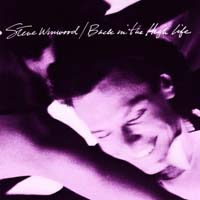 1986Back in the High Life
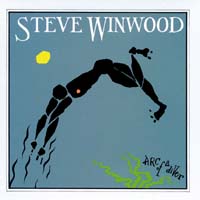 1980Arc of a Diver