

Review of The Beach Boys – Surf’s Up
Surf’s Up- Album Overview
"Surf’s Up," released on August 30, 1971, is the 15th studio album by the iconic American rock band The Beach Boys. Released under the Reprise Records label, this album was a significant departure from their earlier surf rock roots, showcasing a more mature sound that reflected the complexities of life in the early 1970s. The album was produced by the band along with their longtime collaborator, Jack Rieley, and features a blend of progressive rock, pop, and classical influences, marking a pivotal moment in their musical evolution.
The recording sessions took place primarily at the Wally Heider Studios in Los Angeles, where the band experimented with different sounds and arrangements. Notably, "Surf’s Up" includes contributions from various musicians, including renowned session players and even members of the band itself, such as Brian Wilson, who took a leading role in the album's creative direction. The album features a mix of original compositions and a cover of the title track "Surf’s Up," which was written by Brian Wilson and Van Dyke Parks.
The lead single, "Long Promised Road," encapsulates the introspective nature of the album, while "Feel Flows" gained popularity for its lush harmonies and intricate arrangements. "Surf’s Up" is often hailed as a landmark album that reflects the cultural shifts of its time, moving away from the carefree surf culture to a more reflective and sometimes somber exploration of existence, love, and loss. The album has since been recognized as one of The Beach Boys' most ambitious works, influencing countless artists and solidifying the band's legacy in the realm of experimental pop music.
Review
The sound of "Surf’s Up" is a captivating blend of lush harmonies and intricate arrangements that showcase the band’s vocal prowess. This album marks a notable shift from the upbeat surf anthems of their earlier works to a more introspective and experimental sound. Tracks like "Feel Flows" highlight the band’s ability to fuse rock with orchestral elements, creating a rich sonic landscape that draws listeners in.
Lyrically, the album navigates themes of nostalgia, personal struggle, and the quest for meaning, particularly in songs like "Long Promised Road," where the lyrics evoke a sense of longing and reflection. Brian Wilson’s artistic vision shines through, emphasizing a departure from simple pop melodies to more complex structures and emotionally charged themes. The album's production, characterized by its layered instrumentation and innovative arrangements, further enhances its artistic depth, making it a standout work in The Beach Boys’ discography.
Highlights
- Lush vocal harmonies that showcase the band's signature sound.
- Innovative arrangements that blend rock with orchestral elements.
- Introspective and profound lyrical content that resonates with listeners.
Weak points
- Some tracks may feel disjointed or experimental for casual listeners.
- The album's pacing can be uneven, with slower tracks possibly losing listener engagement.
- A departure from the traditional surf sound might alienate long-time fans.
Overall evaluation
"Surf’s Up" stands as a testament to The Beach Boys' artistic growth and willingness to explore new musical territories. It captures a pivotal moment in their career, reflecting broader cultural changes while maintaining their signature sound. This album is essential listening for fans of progressive rock and those interested in the evolution of pop music.
Personal rating: 8/10.jpg) 1979L.A. (Light Album)
1979L.A. (Light Album) 1971Surf's Up
 1970Sunflower
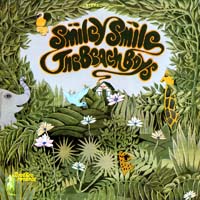 1967Smiley Smile
 1966Pet Sounds
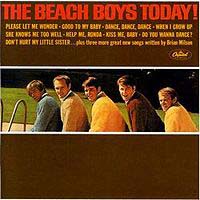 1965The Beach Boys Today!
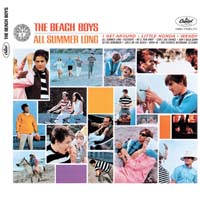 1964All Summer Long
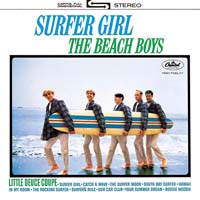 1963Surfer Girl