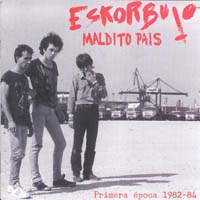
ALBUM NOTESExploring the sound of Eskorbuto-Que Corra La Sangre (2a maketa): Que Corra La Sangre (2a maketa)
Album overview
Eskorbuto, a seminal punk band from the Basque Country, was formed in 1980 and quickly became a voice of dissent in Spain during a time of political upheaval. Their album "Que Corra La Sangre (2a maketa)", released in 1985, showcases the raw energy and rebellious spirit that characterized their music. This particular recording is a demo that reflects the band's unfiltered approach to punk rock, intertwining their socio-political commentary with aggressive melodies. The album was produced by the band members themselves, allowing them to maintain artistic control over their sound.
The title translates to "Let the Blood Flow," a provocative phrase that encapsulates the band's confrontational style and their critique of contemporary Spanish society. The tracks are marked by fast tempos, gritty guitar riffs, and stark lyrics that address themes of violence, disillusionment, and resistance. This album, though not widely released initially, has since gained a cult following and is significant within the Spanish punk scene for its authenticity and impact. Collaborators included fellow punk musicians from the region, contributing to the album's raw and uncompromising sound. It is a critical piece of work that illustrates both the band's artistic vision and the broader cultural context of Spanish punk in the 1980s.
Review
"Que Corra La Sangre (2a maketa)" is a visceral experience that encapsulates the angst and rebelliousness of the punk movement in Spain. Each track bursts forth with a frenetic energy that is both exhilarating and confrontational. The production may lack the polish of mainstream recordings, but this rawness adds to its appeal, enhancing the authenticity that Eskorbuto is known for. Lyrically, the band does not shy away from addressing uncomfortable truths, which is both commendable and provocative.
The guitar work is particularly notable, with riffs that resonate with urgency and a sense of impending chaos, while the drumming provides a relentless backbone that drives the music forward. The vocal delivery is passionate, filled with a sense of urgency that reflects the band's commitment to their message. While the album may not cater to mainstream tastes, its cultural significance cannot be overstated, it stands as a powerful testament to the spirit of resistance and the punk ethos.
Highlights
- Raw and authentic sound that captures the essence of 1980s punk.
- Provocative lyrics that challenge societal norms and reflect political unrest.
- Energetic performances that showcase the band's musical prowess.
Weak points
- Production quality may deter casual listeners.
- Lyrical themes can be overly aggressive for some audiences.
- Limited accessibility due to its initial release as a demo.
Overall evaluation
"Que Corra La Sangre (2a maketa)" is a crucial piece of punk history that offers insight into the raw emotions and political sentiments of its time. While it may not be for everyone, those who appreciate the genre will find much to admire in Eskorbuto's uncompromising vision.
Personal rating: 8/10
```