
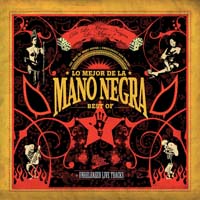
Diving deep into Puta's Fever by Mano Negra
Puta's Fever- Album Overview
"Puta's Fever," released in 1991, is a seminal album by the French band Mano Negra, known for its eclectic fusion of rock, punk, reggae, and Latin music. The album was released under the label Virgin Records and showcases the band's signature style of blending various genres, which has made them a distinctive voice in world music. Recorded in various locations, including Paris and Brazil, the album features a rich tapestry of sounds and influences, reflecting the multicultural background of its members. The band, led by charismatic frontman Manu Chao, also included musicians who contributed to its vibrant sound, such as bassist Philippe Teboul and drummer Miguel Hernández.
The album includes notable tracks like "King of Bongo," which became one of the band's most recognizable hits and illustrates their unique ability to combine infectious rhythms with biting social commentary. "Puta's Fever" captures the essence of the early '90s music scene, characterized by its rebellious spirit and the exploration of diverse musical influences. The album was particularly significant for its role in popularizing Latin alternative music in Europe and beyond, paving the way for future artists in the genre.
The singles released from the album, including "Mala Vida" and "Bongo Bong," further established Mano Negra's reputation, melding catchy melodies with poignant lyrics that explore themes of social justice and cultural identity. "Puta's Fever" remains a landmark in the band's discography and continues to resonate with audiences, thanks to its vibrant energy and innovative sound, encapsulating a moment in time when music was a vehicle for change and expression.
Review
"Puta's Fever" is a captivating rollercoaster of sounds, expertly crafted by a band unafraid to push boundaries. The mix of punk rock energy and Latin rhythms creates a lively atmosphere that invites listeners to dance while simultaneously engaging them with thought-provoking lyrics. The production showcases a raw yet polished quality, allowing the instrumentation to shine through in a way that feels both spontaneous and meticulously arranged. Manu Chao's charismatic vocal delivery, often switching between French, Spanish, and English, adds to the album's international appeal.
Lyrics such as those in "Mala Vida" reflect a deep sense of social awareness, while tracks like "King of Bongo" serve as anthems of joy and liberation. The artistic vision behind "Puta's Fever" successfully captures the spirit of cultural fusion, making it a relevant work that transcends its era. The album's sonic diversity mirrors the multicultural society of the time, making it a timeless piece that continues to influence artists around the globe.
Highlights
- Innovative fusion of various musical genres, creating a unique sound.
- Thoughtful and socially conscious lyrics that resonate with listeners.
- Charismatic performances, particularly from frontman Manu Chao, that energize the album.
Weak points
- Some tracks may feel disjointed due to the eclectic mix of styles.
- Occasional production inconsistencies that might detract from the listening experience.
- Limited commercial appeal compared to mainstream pop of the time.
Overall evaluation
"Puta's Fever" stands out as a defining album of the early '90s, showcasing Mano Negra's ability to blend genres and address social issues through music. Its energetic sound and meaningful lyrics make it a classic that continues to inspire. While it may have its imperfections, the album's cultural significance is undeniable.
Personal rating: 8/10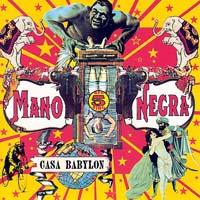 1994Casa Babylon
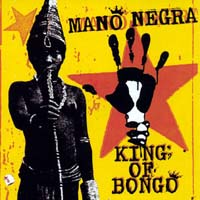 1991King of Bongo
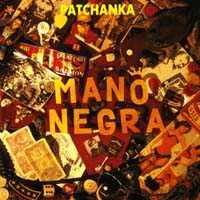 1988Patchanka