
Why Lydia Lunch's Our Fathers Who Aren't In Heaven matters
Our Fathers Who Aren't In Heaven- Album Overview
"Our Fathers Who Aren't In Heaven," released in 1998, is a seminal work from the avant-garde artist Lydia Lunch, known for her provocative style and confrontational themes. This album, released on the label Axiom Records, showcases Lunch's unique blend of spoken word, punk, and noise rock, a style that has become synonymous with her artistic identity. The album is a collaboration featuring prominent musicians, including guitarist and producer Jim Thirlwell, known for his work with the industrial band Foetus, and drummer and sound artist, William Hooker.
The recording sessions captured Lunch's raw energy and visceral lyricism, tackling themes of trauma, existential despair, and the complexities of human relationships. The album is notable for its exploration of fatherhood and absence, which resonates through its title and the emotional weight of the lyrics. Tracks such as "The Righteous," "The Last Temptation of Christ," and "I Feel Like a Child" exemplify her ability to blend personal narrative with broader cultural critiques, making the album both an introspective and socially relevant piece of art.
Upon its release, "Our Fathers Who Aren't In Heaven" received critical acclaim for its unapologetic approach and innovative sound, contributing to the evolution of underground music in the late '90s. The album is often cited in discussions about feminist punk and the intersection of music and performance art, solidifying Lydia Lunch's status as a crucial figure in contemporary music history.
Review
The sound of "Our Fathers Who Aren't In Heaven" is characterized by its abrasive yet captivating instrumentation, featuring a cacophony of experimental guitar riffs, industrial beats, and haunting vocal deliveries. Lydia Lunch's voice oscillates between spoken word and visceral screams, creating an emotional landscape that is both unsettling and compelling. Lyrically, the album is a deep dive into themes of loss, alienation, and resilience, with Lunch's candid reflections on her personal experiences drawing listeners into her world. The artistic vision behind the album is one of confrontation and catharsis, as Lunch challenges societal norms and explores the darker sides of human existence. Her ability to weave personal narrative into a broader commentary on life and culture makes this album a significant contribution to the music scene of its time.
Highlights
- Innovative blend of spoken word and punk rock elements.
- Provocative lyrics that tackle complex social and personal themes.
- Strong collaborations with notable musicians that enhance the sonic experience.
Weak points
- Some listeners may find the abrasive sound challenging to engage with.
- The intensity of themes may not appeal to all audiences.
- Lack of mainstream accessibility could limit its reach.
Overall evaluation
"Our Fathers Who Aren't In Heaven" stands out as a bold and uncompromising exploration of human experience through the lens of Lydia Lunch's artistic vision. It is a testament to her impact on avant-garde music and culture. The album is essential listening for those interested in the evolution of punk and spoken word.
Personal rating: 8.5/10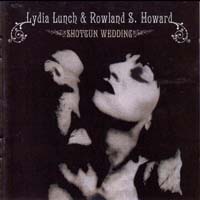 1991Shotgun Wedding
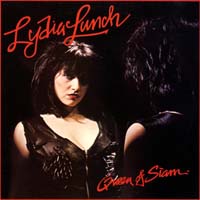 1980Queen of Siam