ALBUM NOTESThe evolution of Bobbie Gentry-Ode to Billy Joe / Bobbie Gentry in Ode to Billy Joe / Bobbie Gentry
Album overview
Bobbie Gentry's album "Ode to Billy Joe," released in 1967, represents a pivotal moment in American music history. This landmark work was released under the Capitol Records label and is often categorized within the country and pop genres, showcasing a blend of folk storytelling and southern gothic influences. The album features the iconic title track, which became a massive hit and topped the Billboard Hot 100 chart for four weeks. The song tells a haunting story that captivated listeners and sparked widespread speculation and interpretation.
Produced by the legendary Kelly Gordon, the album captures the essence of the 1960s South, with Gentry’s distinctive voice and narrative style setting her apart from her contemporaries. The recording sessions took place in Los Angeles, and Gentry was heavily involved in the songwriting process, contributing to the depth and personal connection within her work. Other standout tracks on the album include "Mississippi Delta," "I Saw an Angel Die," and "Niki Hokey," each reflecting Gentry's lyrical prowess and unique perspective.
Culturally, "Ode to Billy Joe" resonated deeply with audiences, addressing themes of class, loss, and the complexities of rural life, which resonated with the shifting social landscape of the 1960s. Gentry's work has since been recognized as a precursor to the feminist movement in music, earning her a place in the hearts of many as a trailblazer for female artists in a male-dominated industry.
Review
Gentry's "Ode to Billy Joe" weaves a tapestry of sound that combines traditional country with elements of pop and folk, demonstrating her versatility as an artist. The production is rich yet understated, allowing Gentry’s storytelling to take center stage. The lyrics are poignant and often cryptic, inviting listeners to engage with the narrative on multiple levels. Gentry's emotive delivery enhances the haunting quality of the title track, which remains her signature piece.
The album's artistic vision is clear: Gentry seeks to capture the essence of southern life, complete with its joys and heartaches. Her ability to create vivid imagery through her words sets a new standard for songwriters of her time. However, while some tracks shine with the same brilliance as "Ode to Billy Joe," others may feel less impactful, lacking the same degree of narrative depth and emotional resonance.
Highlights
- Groundbreaking storytelling that captures the complexities of southern life.
- Strong production quality that complements Gentry's unique vocal style.
- Timeless tracks that continue to resonate with listeners today.
Weak points
- Some tracks may lack the same emotional punch as the title track.
- The pacing of the album may feel uneven to some listeners.
- Limited commercial appeal for mainstream pop audiences at the time of release.
Overall evaluation
Bobbie Gentry's "Ode to Billy Joe" stands as a monumental work that not only showcases her talent but also marks a significant evolution in the storytelling tradition of American music. Its cultural impact and artistic merit ensure its place in music history.
Personal rating: 9/10
```


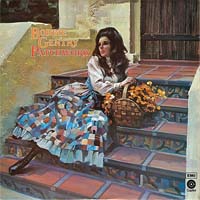 1971Patchwork
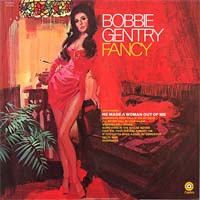 1970Fancy
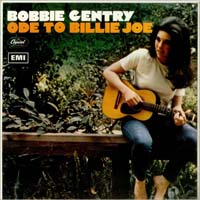 1967Ode to Billie Joe