
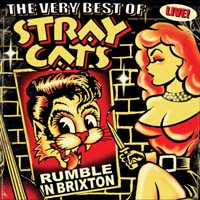
One week with Let's Go Faster: thoughts on Stray Cats
Let's Go Faster- Album Overview
"Let’s Go Faster," released in 1983, is the fourth studio album by the American rockabilly band Stray Cats. Known for revitalizing the rockabilly genre in the early 1980s, the band consisted of lead vocalist and guitarist Brian Setzer, double bassist Lee Rocker, and drummer Slim Jim Phantom. This album was released through EMI America, marking a significant phase in the band’s career as they sought to solidify their place in the rock music landscape of the time.
The recording of "Let’s Go Faster" took place in a period when the band was experiencing both commercial success and artistic pressure. The album features a mix of original songs and covers, showcasing their signature blend of rockabilly, punk, and rock 'n' roll influences. Key tracks include the energetic "Rebels Rule" and the catchy "I Wanna Cry," which highlight Setzer's distinctive guitar work and charismatic vocal style. The album was produced by the band along with the renowned producer and engineer, Chris Lord-Alge, who played a crucial role in shaping the album's sound.
The singles released from "Let’s Go Faster," including "I Wanna Cry" and "Lookin' Better Every Beer," failed to achieve the chart-topping success of their previous hits, but they contributed to the band's ongoing legacy. The album captures the vibrant spirit of the 80s rock revival scene while also reflecting the band's roots in the earlier rockabilly movement, making it a culturally significant piece in the band's discography. Despite mixed reviews at the time of release, "Let’s Go Faster" has since been appreciated for its high-energy performances and the band's dedication to their craft.
Review
"Let’s Go Faster" presents a bold sonic palette that showcases Stray Cats' ability to merge traditional rockabilly elements with contemporary rock influences. The album opens with a punchy vigor that sets the tone for the energetic tracks to follow. Brian Setzer's guitar work is at the forefront, delivering a mix of melodic riffs and vibrant solos that are both technically impressive and emotionally charged. Lyrically, the songs reflect a youthful exuberance, with themes of rebellion and romance that resonate well with the band's fanbase.
Despite some critics pointing out the album's lack of commercial hits compared to its predecessors, the artistic vision remains clear: to celebrate the rockabilly genre while pushing its boundaries. The production has a polished feel, courtesy of Chris Lord-Alge, which, while perhaps slightly overshadowing the rawness that fans may expect, allows the intricate instrumentation to shine. Overall, the album is a testament to Stray Cats' enduring legacy and their impact on the rockabilly revival movement.
Highlights
- Brian Setzer's exceptional guitar work and vocal delivery.
- The energetic and infectious rhythms that make it a fun listen.
- A strong tribute to rockabilly roots while incorporating 80s rock elements.
Weak points
- Some tracks may feel repetitive and lack the punch of earlier hits.
- Mixed reviews highlight a perceived inconsistency in songwriting quality.
- Not all songs resonate strongly with the broader audience.
Overall evaluation
"Let’s Go Faster" is a solid entry in Stray Cats' discography that captures the essence of their rockabilly roots while embracing the sound of the 80s. While it may not have achieved the same commercial success as earlier albums, it remains a testament to their unique sound and artistic vision.
Personal rating: 7/10